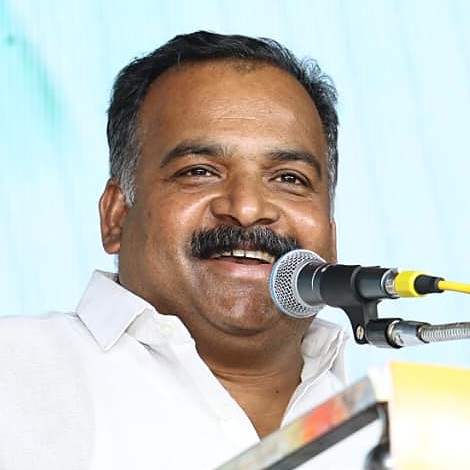
Manickam Tagoreமாணிக்கம் தாகூர்

K. Selvaperunthagaiக. செல்வப்பெருந்தகை
2019மார். 12
2019
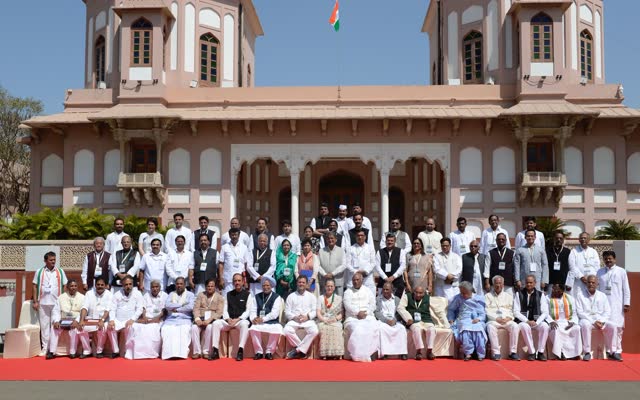
Congress Working Committee meeting, Ahmadabad, on the 89th anniversary of the Dandi Satyagrahதண்டி சத்தியாகிரகத்தின் 89ஆம் ஆண்டு நினைவு நாளில் அகமதாபாத்தில் காங்கிரஸ் செயற்குழுக் கூட்டம்
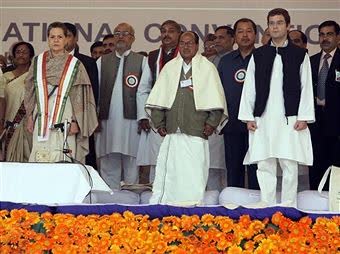
To commemorate the historic Dandi Satyagrah, and celebrate Gandhiji’s contribution towards our Independence and his commitment to peace, a meeting was held in Ahmedabad, Gujarat. Smt Priyanka Gandhi Vadra spoke on the occasion as she reminded each Indian of their duty towards maintaining an atmosphere of peace. She condemned the attack in Pulwama and paid her respects to the lives lost, and said the country must come together at a time like this and reject the BJP’s promotion of violence and fear.வரலாற்றுச் சிறப்புமிக்க தண்டி சத்தியாகிரகத்தை நினைவுகூரவும், நமது சுதந்திரத்திற்குக் காந்தியடிகள் ஆற்றிய பங்கையும் அமைதிக்கான அவரது உறுதிப்பாட்டையும் கொண்டாடவும், குஜராத் மாநிலம் அகமதாபாத்தில் ஒரு கூட்டம் நடைபெற்றது. அந்நிகழ்வில் உரையாற்றிய திருமதி பிரியங்கா காந்தி வதேரா, அமைதியான சூழலைக் காப்பது ஒவ்வொரு இந்தியரின் கடமை என்பதை நினைவுபடுத்தினார். புல்வாமா தாக்குதலைக் கண்டித்து உயிரிழந்தவர்களுக்கு அவர் அஞ்சலி செலுத்தினார்; இதுபோன்ற நேரத்தில் நாடு ஒன்றுபட வேண்டும், வன்முறையையும் அச்சத்தையும் பரப்பும் பாஜகவின் போக்கை நிராகரிக்க வேண்டும் என்றார்.
K. S. Alagiriக. ச. அழகிரி
2018அக். 2
2018
Mahatma Gandhi’s 150th Birth Anniversary marked with a Congress Working Committee Meeting in Wardhaமகாத்மா காந்தியின் 150ஆம் பிறந்தநாள் நினைவாக வார்தாவில் காங்கிரஸ் செயற்குழுக் கூட்டம்
Congress President Rahul Gandhi, while addressing the meeting, called for unity in the country, and said that “While Mahatma Gandhi wanted to unite India, PM Modi wants to divide us.” The meeting also condemned the Modi government’s attitude towards farmers in the country, on a day when police used water cannons and tear gas shells against protesting farmers outside Delhi.கூட்டத்தில் உரையாற்றிய காங்கிரஸ் தலைவர் ராகுல் காந்தி, நாட்டில் ஒற்றுமை வேண்டும் என அழைப்பு விடுத்தார். “மகாத்மா காந்தி இந்தியாவை ஒன்றிணைக்க விரும்பினார்; பிரதமர் மோடி நம்மைப் பிரிக்க விரும்புகிறார்” என்று அவர் கூறினார். டெல்லி எல்லையில் போராடிய விவசாயிகள் மீது காவல்துறை நீர்த்தாரையையும் கண்ணீர்ப் புகைக் குண்டுகளையும் பயன்படுத்திய அதே நாளில், விவசாயிகள் மீதான மோடி அரசின் அணுகுமுறையையும் இக்கூட்டம் கண்டித்தது.
2018ஜூலை 22
2018
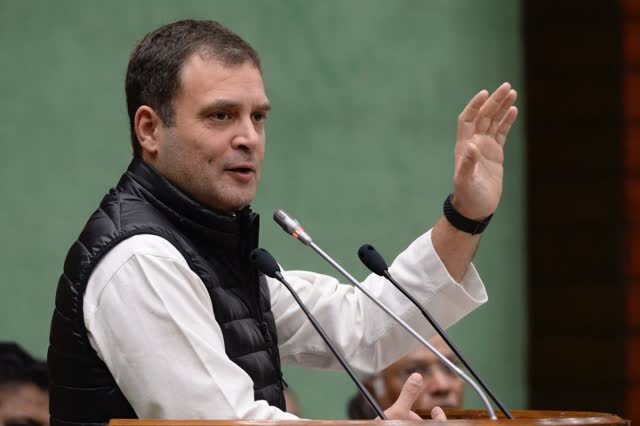
Congress Working Committee meet held in Delhi, first such under party president Rahul Gandhiகட்சித் தலைவர் ராகுல் காந்தி தலைமையில் முதல் காங்கிரஸ் செயற்குழுக் கூட்டம் டெல்லியில்
Congress president Rahul Gandhi described the revamped Congress Working Committee (CWC) as a bridge between the past, present and future, and said it was an institution combining experience and energy. Several veteran leaders were present to give their blessings to the CWC and extend support to Congress President Rahul Gandhi, even as he called on all party members to work for India’s oppressedபுதிதாக அமைக்கப்பட்ட காங்கிரஸ் செயற்குழுவை (CWC) கடந்த காலம், நிகழ்காலம், எதிர்காலம் ஆகியவற்றை இணைக்கும் பாலம் என்று காங்கிரஸ் தலைவர் ராகுல் காந்தி வர்ணித்தார்; அனுபவமும் ஆற்றலும் ஒன்றிணைந்த அமைப்பு அது என்றார். செயற்குழுவுக்கு ஆசி வழங்கவும் தலைவர் ராகுல் காந்திக்கு ஆதரவு தெரிவிக்கவும் பல மூத்த தலைவர்கள் கலந்துகொண்டனர்; இந்தியாவின் ஒடுக்கப்பட்ட மக்களுக்காகப் பாடுபடுமாறு கட்சியின் அனைத்து உறுப்பினர்களையும் அவர் அப்போது கேட்டுக்கொண்டார்.
2018மார். 18
2018
84th AICC Plenary Session held at New Delhi, the first under Congress President Rahul Gandhiகாங்கிரஸ் தலைவர் ராகுல் காந்தி தலைமையில் முதல் 84ஆவது AICC முழுமை மாநாடு புது டெல்லியில்
Attended by party members from all over the country, the Plenary set forth Congress President Rahul Gandhi’s vision for the future. In his address, the Congress President said that "If the youths have to take the Congress forward, it cannot be done without the experience the party veterans. My task is to take them forward together."நாடு முழுவதிலுமிருந்து கட்சி உறுப்பினர்கள் கலந்துகொண்ட இந்த முழுமை மாநாடு, காங்கிரஸ் தலைவர் ராகுல் காந்தியின் எதிர்கால நோக்கை முன்வைத்தது. தமது உரையில் காங்கிரஸ் தலைவர், “காங்கிரசை இளைஞர்கள் முன்னெடுத்துச் செல்ல வேண்டுமெனில், கட்சியின் மூத்தவர்களின் அனுபவம் இல்லாமல் அது இயலாது. இருவரையும் சேர்த்து முன்னோக்கி அழைத்துச் செல்வதே எனது பணி” என்று கூறினார்.
2017டிச. 15
2017
Rahul Gandhi unanimously elected Party Presidentராகுல் காந்தி ஒருமனதாக கட்சித் தலைவராகத் தேர்ந்தெடுக்கப்பட்டார்
The party headquarters at 24, Akbar Road saw a smooth change of guard on 16th December, 2017, as Rahul Gandhi was unanimously elected Party President on the 11th of December. As he took over the reins, Rahul Gandhi said to the party workers, “I want to assure all the Congress workers and leaders that you are all my family...I want to tell the youth of this country that Congress is often referred to as the grand old party but going forth we are going to make it the grand old young party."2017 டிசம்பர் 11ஆம் தேதி ராகுல் காந்தி ஒருமனதாகக் கட்சித் தலைவராகத் தேர்ந்தெடுக்கப்பட்டதைத் தொடர்ந்து, டிசம்பர் 16ஆம் தேதி 24, அக்பர் சாலையில் உள்ள கட்சித் தலைமையகத்தில் பொறுப்பு சுமூகமாகக் கைமாறியது. பொறுப்பேற்ற ராகுல் காந்தி கட்சித் தொண்டர்களிடம், “காங்கிரஸ் தொண்டர்கள், தலைவர்கள் அனைவரும் என் குடும்பம் என்பதை உறுதியாகச் சொல்கிறேன்... காங்கிரஸ் பெரும் பழமையான கட்சி என்று அடிக்கடி சொல்லப்படுகிறது; இனிமேல் அதை பெரும் பழமையான இளமைக் கட்சியாக மாற்றப் போகிறோம் என்று இந்நாட்டு இளைஞர்களிடம் சொல்ல விரும்புகிறேன்” என்றார்.

Su. Thirunavukkarasarசு. திருநாவுக்கரசர்
2013ஜன. 20
2013
Rahul Gandhi elected Vice President unanimously by the Congress Working Committeகாங்கிரஸ் செயற்குழுவால் ராகுல் காந்தி ஒருமனதாக துணைத் தலைவராகத் தேர்ந்தெடுக்கப்பட்டார்
At the Jaipur Declaration of the CWC, Rahul Gandhi was formally elected the party Vice President, and said that the party would unify in working together to transform the country. Then Prime Minister Manmohan Singh spoke on the country’s economic and political issues.செயற்குழுவின் ஜெய்ப்பூர் பிரகடனத்தில் ராகுல் காந்தி முறையாகக் கட்சியின் துணைத் தலைவராகத் தேர்ந்தெடுக்கப்பட்டார்; நாட்டை மாற்றியமைக்கும் பணியில் கட்சி ஒன்றிணைந்து செயல்படும் என்று அவர் கூறினார். அப்போதைய பிரதமர் மன்மோகன் சிங் நாட்டின் பொருளாதார, அரசியல் பிரச்சினைகள் குறித்துப் பேசினார்.
2013ஜன. 18
2013
Jaipur Chintan Shivirஜெய்ப்பூர் சிந்தன் ஷிபிர்
Congress leaders from across the country gathered at Jaipur to look at the journey so far and the challenges ahead. Shri Rahul Gandhi was appointed as the Congress Vice President at the conclave.இதுவரையிலான பயணத்தையும் இனி வரும் சவால்களையும் ஆய்வு செய்ய நாடு முழுவதிலுமிருந்து காங்கிரஸ் தலைவர்கள் ஜெய்ப்பூரில் ஒன்றுகூடினர். இந்தக் கூட்டத்தில் திரு. ராகுல் காந்தி காங்கிரஸ் துணைத் தலைவராக நியமிக்கப்பட்டார்.
2013ஜன. 18
2013
Jaipur Declarationஜெய்ப்பூர் பிரகடனம்
The Congress adopted the Jaipur Declaration which laid out the party's roadmap for the future. The party rededicated itself to representing people's aspirations, especially those of the youth.கட்சியின் எதிர்காலப் பாதையை வகுத்த ஜெய்ப்பூர் பிரகடனத்தை காங்கிரஸ் ஏற்றுக்கொண்டது. மக்களின், குறிப்பாக இளைஞர்களின், அபிலாஷைகளைப் பிரதிநிதித்துவப்படுத்தும் பணிக்குக் கட்சி தன்னை மீண்டும் அர்ப்பணித்தது.

B. S. Gnanadesikanப. ச. ஞானதேசிகன்
2010டிச. 19
2010
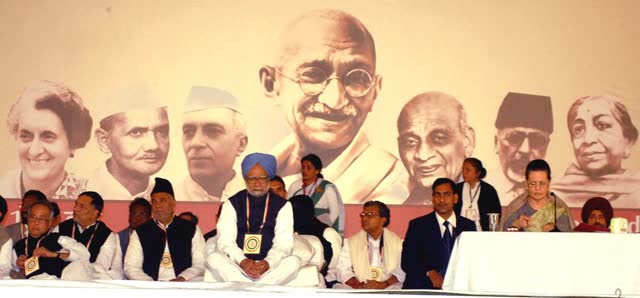
83rd Congress Plenary takes place in Burari83ஆவது காங்கிரஸ் முழுமை மாநாடு புராரியில் நடைபெற்றது
Addressing the Congress Plenary in Burari, Smt Sonia Gandhi asked Party leaders to reflect on why the people of India should place their trust in the Congress. She said, “We are a party with a glorious past. We are the party of the future. It is for us to ensure that the Congress holds out hope for each and every Indian. That is our obligation.”புராரியில் நடைபெற்ற காங்கிரஸ் முழுமை மாநாட்டில் உரையாற்றிய திருமதி சோனியா காந்தி, இந்திய மக்கள் காங்கிரஸ் மீது நம்பிக்கை வைக்க வேண்டியது ஏன் என்பதைக் கட்சித் தலைவர்கள் சிந்திக்க வேண்டும் என்று கேட்டுக்கொண்டார். “பொன்னான கடந்த காலத்தைக் கொண்ட கட்சி நாம். எதிர்காலத்தின் கட்சியும் நாமே. ஒவ்வொரு இந்தியருக்கும் காங்கிரஸ் நம்பிக்கை அளிக்கிறது என்பதை உறுதிப்படுத்துவது நமது கடமை” என்று அவர் கூறினார்.
2010மே 16
2010
The people of India place their trust in the Congress; United Progressive Alliance wins Lok Sabha Pollsஇந்திய மக்கள் காங்கிரஸ் மீது நம்பிக்கை வைத்தனர்; மக்களவைத் தேர்தலில் ஐக்கிய முன்னேற்றக் கூட்டணி வெற்றி
The Congress-led United Progressive Alliance wins 262 seats in the 2009 Lok Sabha elections against 159 seats for the NDA. INC emerges as the single largest party with 206 seats. Dr Manmohan Singh is sworn in as Prime Minister for a second term.2009 மக்களவைத் தேர்தலில் காங்கிரஸ் தலைமையிலான ஐக்கிய முன்னேற்றக் கூட்டணி 262 இடங்களைக் கைப்பற்றியது; தேசிய ஜனநாயகக் கூட்டணி 159 இடங்களைப் பெற்றது. 206 இடங்களுடன் காங்கிரஸ் ஒற்றைப் பெரும் கட்சியாக உருவெடுத்தது. டாக்டர் மன்மோகன் சிங் இரண்டாவது முறையாகப் பிரதமராகப் பதவியேற்றார்.
2009டிச. 29
2009
125 glorious years of serving the nationநாட்டுக்குச் சேவை செய்த 125 பொன்னான ஆண்டுகள்
As the Indian National Congress celebrated 125 glorious years of serving the nation, Congress President Sonia Gandhi addressed party workers at a celebration held to mark the occasion, and said, “The party has always promoted secularism through a consensual approach, and has stood for the protection of the rights of the poor.”நாட்டுக்குச் சேவை செய்த 125 பொன்னான ஆண்டுகளை இந்திய தேசிய காங்கிரஸ் கொண்டாடியபோது, அதற்காக நடத்தப்பட்ட விழாவில் கட்சித் தொண்டர்களிடம் உரையாற்றிய காங்கிரஸ் தலைவர் சோனியா காந்தி, “ஒருமித்த கருத்தை அடிப்படையாகக் கொண்ட அணுகுமுறையின் வழியே மதச்சார்பின்மையை கட்சி எப்போதும் வளர்த்திருக்கிறது; ஏழைகளின் உரிமைகளைப் பாதுகாக்கவும் உறுதியாக நின்றிருக்கிறது” என்று கூறினார்.
2009பிப். 9
2009
Block Congress Committee and District Congress Committee National Conventionவட்டார காங்கிரஸ் கமிட்டி மற்றும் மாவட்ட காங்கிரஸ் கமிட்டி தேசிய மாநாடு
The National Convention of the BCC and DCC was organised by their Presidents on Ramlila Grounds in Delhi. Party leadership heard the views of grassroots workers.வட்டார காங்கிரஸ் கமிட்டி மற்றும் மாவட்ட காங்கிரஸ் கமிட்டித் தலைவர்களால் டெல்லி ராம்லீலா மைதானத்தில் தேசிய மாநாடு ஏற்பாடு செய்யப்பட்டது. அடிமட்டத் தொண்டர்களின் கருத்துகளைக் கட்சித் தலைமை கேட்டறிந்தது.
2008செப். 24
2008
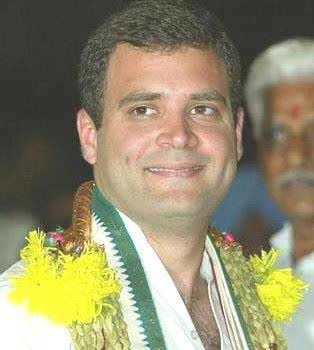
Shri Rahul Gandhi is appointed as General Secretary, AICCதிரு. ராகுல் காந்தி AICC பொதுச் செயலாளராக நியமிக்கப்பட்டார்
Shri Rahul Gandhi is elected by the Party as General Secretary, AICC, and also given charge of the Indian Youth Congress and the National Students Union of India.திரு. ராகுல் காந்தி AICC பொதுச் செயலாளராகக் கட்சியால் தேர்ந்தெடுக்கப்பட்டார்; இந்திய இளைஞர் காங்கிரஸ் மற்றும் இந்திய தேசிய மாணவர் சங்கத்தின் பொறுப்பும் அவருக்கு வழங்கப்பட்டது.
2008ஜூலை 22
2008
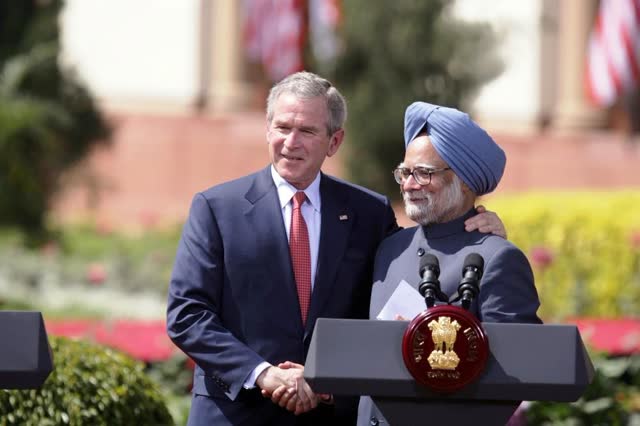
UPA wins Nuke Deal Trust Voteஅணுசக்தி ஒப்பந்த நம்பிக்கை வாக்கெடுப்பில் UPA வெற்றி
UPA government won the confidence vote, clearing the way for it to finalise a landmark nuclear energy deal with the United States. Nuclear energy is critical to the energy security of the country.நம்பிக்கை வாக்கெடுப்பில் UPA அரசு வெற்றிபெற்றது; அமெரிக்காவுடன் வரலாற்று முக்கியத்துவம் வாய்ந்த அணுசக்தி ஒப்பந்தத்தை இறுதி செய்வதற்கான வழி அதனால் திறந்தது. நாட்டின் எரிசக்திப் பாதுகாப்புக்கு அணுசக்தி இன்றியமையாதது.
2008பிப். 29
2008
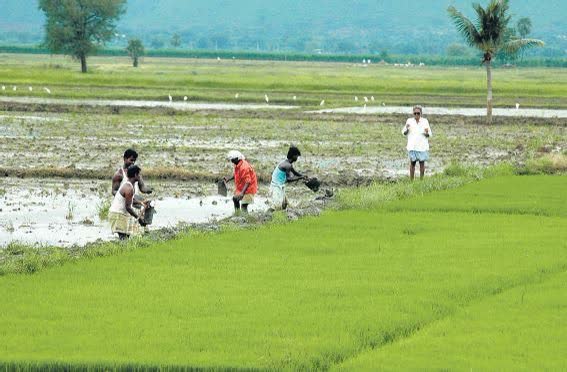
Farm Loan Waiverவிவசாயக் கடன் தள்ளுபடி
UPA Govt announced a Rs 72,000 crore waiver of loans taken by more than 4.30 crore small and marginal farmers across the country. In most of the Indian States, the number of small and marginal farmers ranged from 70% to 94% of the total number of farmers.நாடு முழுவதும் 4.30 கோடிக்கும் மேற்பட்ட சிறு, குறு விவசாயிகள் பெற்றிருந்த ரூ. 72,000 கோடி கடனைத் தள்ளுபடி செய்வதாக UPA அரசு அறிவித்தது. இந்திய மாநிலங்கள் பெரும்பாலானவற்றில் மொத்த விவசாயிகளில் 70% முதல் 94% வரை சிறு, குறு விவசாயிகளாகவே இருந்தனர்.
2007அக். 2
2007
Non-Violence Dayஅகிம்சை நாள்
The Satyagraha Conference resolution in New Delhi is initiated by Smt Sonia Gandhi, as Archbishop Desmond Tutu called upon the UN to adopt the idea. The UN General Assembly voted on June 15, 2007 to establish 2 October as the International Day of Non-Violence.புது டெல்லியில் நடைபெற்ற சத்தியாகிரக மாநாட்டின் தீர்மானம் திருமதி சோனியா காந்தியால் முன்மொழியப்பட்டது; இந்தக் கருத்தை ஏற்றுக்கொள்ளுமாறு பேராயர் டெஸ்மண்ட் டூட்டு ஐ.நா.வுக்கு அழைப்பு விடுத்தார். அக்டோபர் 2ஆம் தேதியை சர்வதேச அகிம்சை நாளாக அறிவிக்க 2007 ஜூன் 15ஆம் தேதி ஐ.நா. பொதுச் சபை வாக்கெடுப்பு நடத்தி ஏற்றது.
2007ஏப். 1
2007
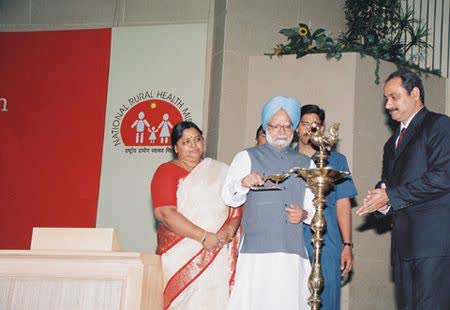
National Rural Health Mission launchedதேசிய ஊரக சுகாதாரத் திட்டம் தொடங்கப்பட்டது
The National Rural Health Mission (NRHM) was launched by the Congress - led UPA government as part of its commitment to ensuring quality healthcare for all. The scheme proposed a number of new mechanisms for healthcare delivery including training local residents as Accredited Social Health Activists (ASHA) and the Janani Surakshay Yojana.அனைவருக்கும் தரமான மருத்துவ சேவையை உறுதி செய்யும் தனது உறுதிப்பாட்டின் ஒரு பகுதியாக, காங்கிரஸ் தலைமையிலான UPA அரசால் தேசிய ஊரக சுகாதாரத் திட்டம் (NRHM) தொடங்கப்பட்டது. உள்ளூர் மக்களை அங்கீகரிக்கப்பட்ட சமூக சுகாதாரப் பணியாளர்களாக (ASHA) பயிற்றுவிப்பது, ஜனனி சுரக்ஷா யோஜனா உள்பட, மருத்துவ சேவையை வழங்குவதற்கான பல புதிய வழிமுறைகளை இத்திட்டம் முன்மொழிந்தது.

M. Krishnasamyம. கிருஷ்ணசாமி
2005டிச. 18
2005
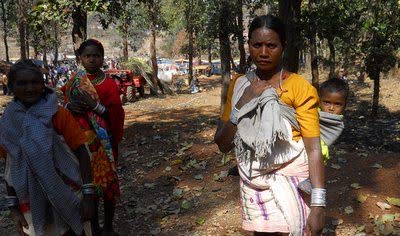
Forests Right Act enactedவனவுரிமைச் சட்டம் இயற்றப்பட்டது
The Forest Rights Act 2006 was passed on December 18 Dec 2006. The legislation redressed the historical injustice against forest dwellers giving them greater control over their resources and life.வனவுரிமைச் சட்டம் 2006 ஆம் ஆண்டு டிசம்பர் 18ஆம் தேதி நிறைவேற்றப்பட்டது. வனவாசிகளுக்கு எதிராக வரலாறு நெடுகிலும் இழைக்கப்பட்ட அநீதியை இச்சட்டம் நீக்கியது; தமது வளங்கள் மீதும் வாழ்வின் மீதும் அவர்களுக்கு அதிக உரிமையை வழங்கியது.
2005அக். 25
2005
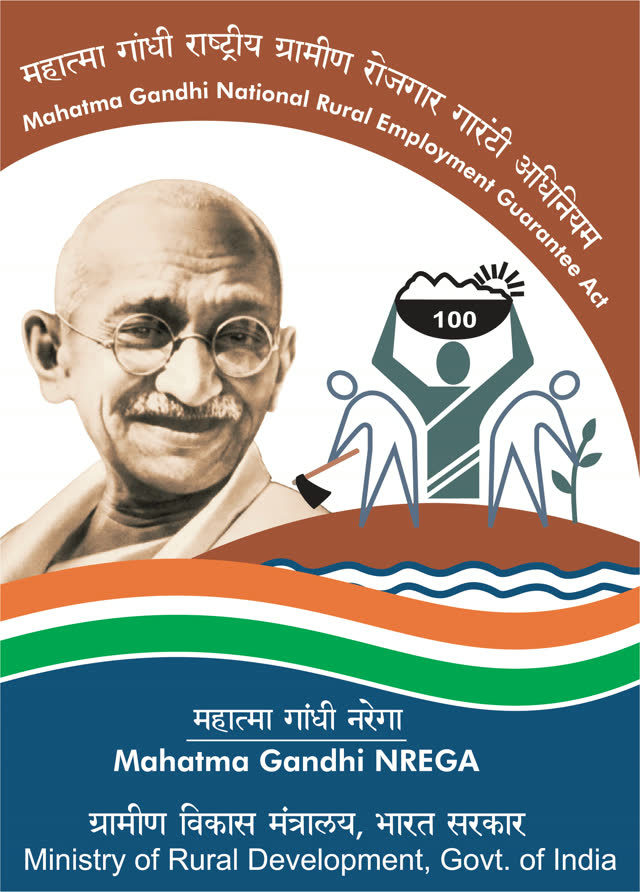
NREGA Enactedதேசிய ஊரக வேலைவாய்ப்புச் சட்டம் (NREGA) இயற்றப்பட்டது
National Rural Employment Guarantee Act (NREGA) became an Act on August 23 2005. The Act provides for 100 days of guaranteed employment for every Indian who seeks work. The UPA Government has allocated close to Rs 2 lakh crore to the scheme. The Scheme was renamed as MNREGA on Oct 2, 2009 in the memory of Mahatama Gandhi.தேசிய ஊரக வேலைவாய்ப்பு உறுதிச் சட்டம் (NREGA) 2005 ஆகஸ்ட் 23ஆம் தேதி சட்டமாக்கப்பட்டது. வேலை தேடும் ஒவ்வொரு இந்தியருக்கும் 100 நாள் வேலைவாய்ப்பை இச்சட்டம் உறுதி செய்கிறது. இத்திட்டத்திற்கு UPA அரசு ஏறக்குறைய ரூ. 2 லட்சம் கோடி ஒதுக்கியது. மகாத்மா காந்தியின் நினைவாக 2009 அக்டோபர் 2ஆம் தேதி இத்திட்டம் MNREGA என மறுபெயரிடப்பட்டது.
2004மே 22
2004
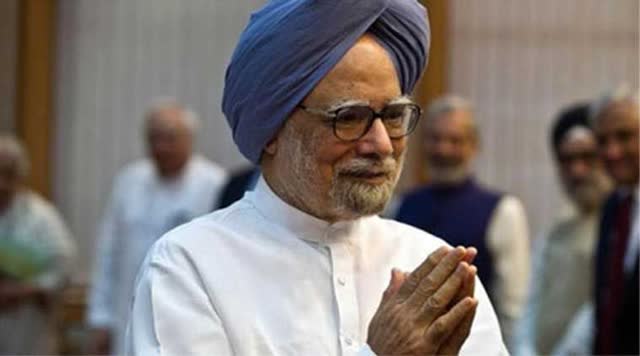
Dr Manmohan Singh becomes PMடாக்டர் மன்மோகன் சிங் பிரதமரானார்
Dr Manmohan Singh took the oath as the Prime Minister of India on 22 May 2004. Dr Singh, had served as the Finance Minister under Prime Minister P.V. Narasimha Rao and is credited with starting the liberalisation process in the country.டாக்டர் மன்மோகன் சிங் 2004 மே 22ஆம் தேதி இந்தியப் பிரதமராகப் பதவியேற்றார். பிரதமர் பி.வி. நரசிம்ம ராவ் அமைச்சரவையில் நிதி அமைச்சராகப் பணியாற்றிய அவரே, நாட்டில் தாராளமயமாக்கல் நடைமுறையைத் தொடங்கியவர் எனக் கருதப்படுகிறார்.
2004மே 18
2004
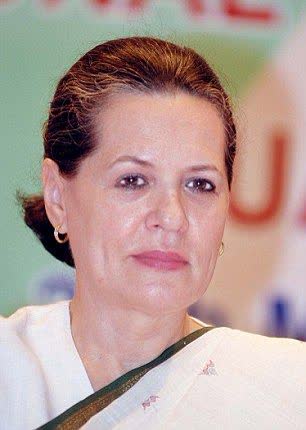
Smt Sonia Gandhi Renounces PM Postதிருமதி சோனியா காந்தி பிரதமர் பதவியைத் துறந்தார்
Congress President Sonia Gandhi renounced the Prime Ministers post saying, "I was always certain that if ever I found myself in the position that I am in today, I would follow my own inner voice. Today, that voice tells me I must humbly decline this post. You have unanimously elected me your leader, in doing so, you have reposed your faith in me. It is this faith that has placed me under tremendous pressure to reconsider my decision. Yet, I must abide by the principles, which have guided me all along".காங்கிரஸ் தலைவர் சோனியா காந்தி பிரதமர் பதவியைத் துறந்தார்: “இன்று நான் இருக்கும் நிலையில் என்றேனும் என்னைக் கண்டால், என் உள்மனக் குரலையே பின்பற்றுவேன் என்பதில் நான் எப்போதும் உறுதியாக இருந்தேன். இந்தப் பதவியைப் பணிவுடன் மறுக்க வேண்டும் என்று அந்தக் குரல் இன்று சொல்கிறது. என்னை ஒருமனதாக உங்கள் தலைவராகத் தேர்ந்தெடுத்திருக்கிறீர்கள்; அதன் வழியே என் மீது நம்பிக்கை வைத்திருக்கிறீர்கள். அந்த நம்பிக்கையே என் முடிவை மறுபரிசீலனை செய்யும்படி என் மீது பெரும் அழுத்தத்தைத் தந்திருக்கிறது. ஆயினும், இதுவரை என்னை வழிநடத்திய கொள்கைகளுக்கே நான் கட்டுப்பட வேண்டும்.”
2004மே 13
2004
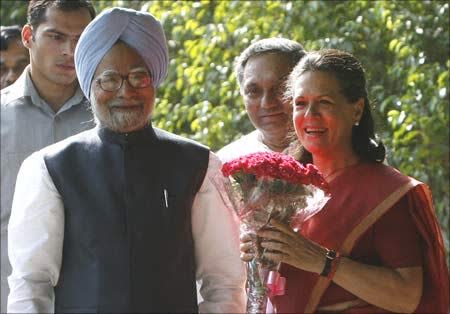
Congress leads UPA to victoryகாங்கிரஸ் தலைமையில் UPA வெற்றி
Congress, under Smt Sonia Gandhi, leads United Progressive Alliance (UPA) to victory in Election defeating the BJP led NDA. Soniaji was elected the head of the Paliamentary Party and was asked to head the UPA government as the Prime Minister.திருமதி சோனியா காந்தி தலைமையில் காங்கிரஸ், பாஜக தலைமையிலான தேசிய ஜனநாயகக் கூட்டணியைத் தோற்கடித்து ஐக்கிய முன்னேற்றக் கூட்டணியை (UPA) தேர்தல் வெற்றிக்கு இட்டுச் சென்றது. நாடாளுமன்றக் கட்சியின் தலைவராகத் தேர்ந்தெடுக்கப்பட்ட சோனியா ஜி, பிரதமராக UPA அரசை வழிநடத்தும்படி கேட்டுக்கொள்ளப்பட்டார்.

G. K. Vasanக. க. வாசன்
2002பிப். 27
2002
Gujarat Riotsகுஜராத் கலவரங்கள்
Riots broke out in Gujarat after a mob set fire to bogey S-6 of the Sabarmati Express at Godhra station. Over a 1000 people, most of them Muslims are estimated to have been killed in the ghastly violence that ensued. Numerous reports have exposed the role played by the state officials in the riots and the failure of the state machinery in protecting the people. The riots showed the true face of the BJP.கோத்ரா நிலையத்தில் சபர்மதி விரைவு ரயிலின் எஸ்-6 பெட்டிக்கு ஒரு கும்பல் தீ வைத்ததைத் தொடர்ந்து குஜராத்தில் கலவரங்கள் வெடித்தன. அதன் பின் நிகழ்ந்த கொடூர வன்முறையில் 1000-க்கும் மேற்பட்டவர்கள் — அவர்களில் பெரும்பாலானோர் முஸ்லிம்கள் — கொல்லப்பட்டதாக மதிப்பிடப்படுகிறது. கலவரங்களில் மாநில அதிகாரிகள் ஆற்றிய பங்கையும், மக்களைக் காப்பதில் மாநில நிர்வாகம் தோற்றதையும் பல அறிக்கைகள் அம்பலப்படுத்தியுள்ளன. பாஜகவின் உண்மை முகத்தை இக்கலவரங்கள் காட்டின.
So. Balakrishnanசொ. பாலகிருஷ்ணன்

E. V. K. S. Elangovanஎ. வ. க. ச. இளங்கோவன்
1999மே 25
1999
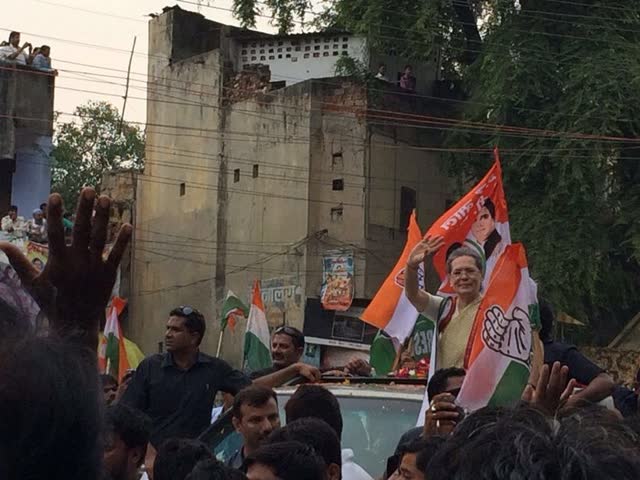
Renewed Resolveபுதுப்பிக்கப்பட்ட உறுதி
A Special Session took place under strained circumstances. Upset at the attacks by a few party leaders, Sonia ji tendered her resignation on May 25, 1999. However, the outpouring of support from all levels of the party compelled her to reconsider. During her address, she said: ' standing before you today as a proud Congressperson, doubly resolved to lead the fight for our beloved country. No longer shall we tolerate the negative forces that seek to target the dignity of a woman through calumny and falsehood."நெருக்கடியான சூழலில் ஒரு சிறப்பு மாநாடு நடைபெற்றது. சில கட்சித் தலைவர்களின் தாக்குதல்களால் மனம் வருந்திய சோனியா ஜி 1999 மே 25ஆம் தேதி தமது பதவியை விட்டு விலகினார். எனினும் கட்சியின் அனைத்து நிலைகளிலிருந்தும் பெருகிவந்த ஆதரவு அவரை மறுபரிசீலனை செய்யத் தூண்டியது. தமது உரையில் அவர் கூறினார்: “பெருமிதம் கொண்ட காங்கிரஸ்காரராக இன்று உங்கள் முன் நிற்கிறேன்; நமது அன்பு நாட்டுக்கான போராட்டத்தை வழிநடத்த இரட்டிப்பு உறுதியுடன் இருக்கிறேன். பொய்யாலும் அபாண்டத்தாலும் ஒரு பெண்ணின் கண்ணியத்தைக் குறிவைக்கும் எதிர்மறை சக்திகளை இனி நாம் பொறுத்துக்கொள்ள மாட்டோம்.”

Tindivanam K. Ramamurthyதிண்டிவனம் க. ராமமூர்த்தி
1998செப். 4
1998
Brainstorming Session at Pachmarhiபச்மரி சிந்தனைக் கூட்டம்
Smt Sonia Gandhi held a "brainstorming"session or Chintan Shivir at Pachmarhi. One of the most significant developments at Pachmarhi was that the party drafted a 14 point plan for Panchayati Raj and an 8-point plan for agriculture. The party committed itself to tackle communal forces, especially in the context of the rising political fortunes of the BJP.திருமதி சோனியா காந்தி பச்மரியில் “சிந்தனைக் கூட்டம்” எனப்படும் சிந்தன் ஷிபிரை நடத்தினார். பச்மரியில் நிகழ்ந்த மிக முக்கியமான திருப்பங்களில் ஒன்று, பஞ்சாயத்து ராஜ் அமைப்புக்கு 14 அம்சத் திட்டத்தையும் வேளாண்மைக்கு 8 அம்சத் திட்டத்தையும் கட்சி வரைந்ததுதான். பாஜகவின் அரசியல் வளர்ச்சியை மனத்தில் கொண்டு, வகுப்புவாத சக்திகளை எதிர்கொள்வதற்குக் கட்சி தன்னை அர்ப்பணித்தது.
1998ஏப். 4
1998
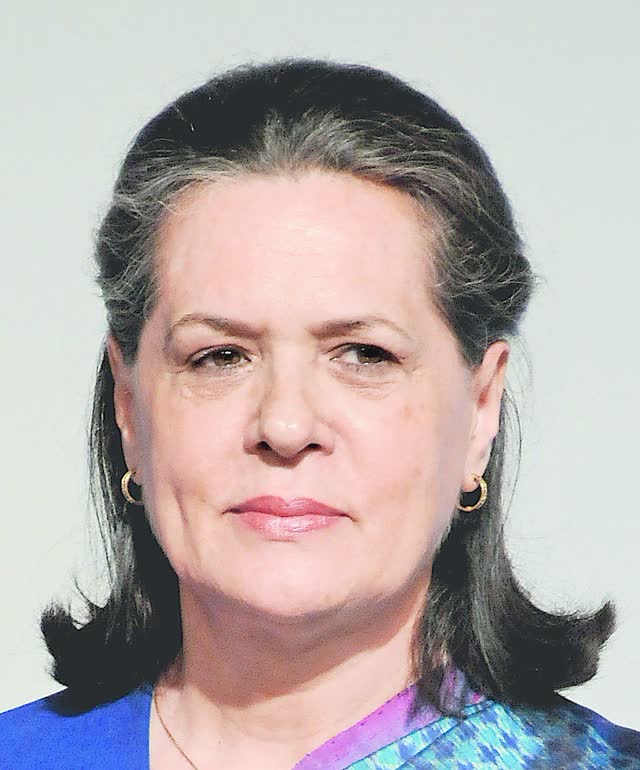
New Delhi Session, 1998புது டெல்லி மாநாடு, 1998
During her presidential address, Sonia ji termed the need to revive the Congress as 'a national imperative' rather than a mere partisan requirement. ' see it as my primary task as Congress President to restore to the Congress the vision of the Congress centenary' Power to the People through the panchayats; and Power to the Congress worker through democracy within the Party..' she said.தமது தலைமை உரையில் சோனியா ஜி, காங்கிரசைப் புத்துயிர்ப்பிக்க வேண்டியது வெறும் கட்சித் தேவை அல்ல, அது ‘ஒரு தேசியக் கட்டாயம்’ என்று குறிப்பிட்டார். “காங்கிரஸ் நூற்றாண்டின் நோக்கத்தை மீண்டும் காங்கிரசுக்கு மீட்டுத் தருவதே காங்கிரஸ் தலைவராக என் முதன்மைப் பணி என்று கருதுகிறேன் — பஞ்சாயத்துகள் வழியே மக்களுக்கு அதிகாரம்; கட்சிக்குள் ஜனநாயகம் வழியே காங்கிரஸ் தொண்டனுக்கு அதிகாரம்” என்று அவர் கூறினார்.
1998மார். 14
1998
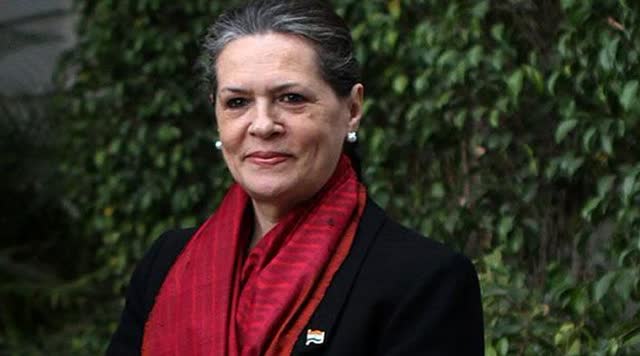
Smt Sonia Gandhi takes over as Congress Presidentதிருமதி சோனியா காந்தி காங்கிரஸ் தலைவராகப் பொறுப்பேற்றார்
Smt Sonia Gandhi persuaded to take over as Congress President to start the revival of the partyகட்சியின் மறுமலர்ச்சியைத் தொடங்குவதற்காக காங்கிரஸ் தலைவராகப் பொறுப்பேற்க வேண்டும் என்று திருமதி சோனியா காந்தி வலியுறுத்தி வேண்டப்பட்டார்.
1997டிச. 29
1997
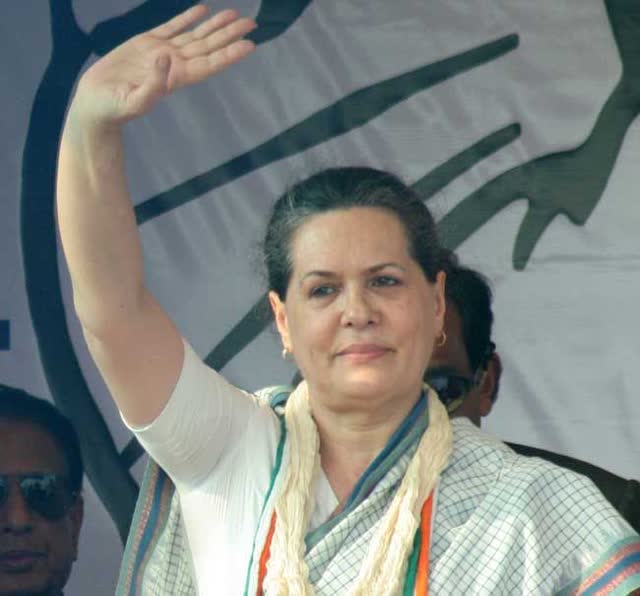
Sonia ji Campaigns for Congressசோனியா ஜி காங்கிரசுக்காகப் பிரச்சாரம்
In the run up to the General Elections, Congress appeared demoralised and leaders were threatening to leave the party. Psephologists predicted disaster. Many Congress leaders persuaded Smt Sonia Gandhi to campaign for the party to revive its sagging fortunes.பொதுத் தேர்தல் நெருங்கிய வேளையில் காங்கிரஸ் மனத்தளர்ச்சியில் இருந்தது; தலைவர்கள் கட்சியை விட்டு விலகுவதாக மிரட்டினர். தேர்தல் ஆய்வாளர்கள் பெரும் தோல்வியை முன்னுரைத்தனர். சரிந்திருந்த கட்சியின் நிலையை மீட்பதற்காகப் பிரச்சாரம் செய்யுமாறு பல காங்கிரஸ் தலைவர்கள் திருமதி சோனியா காந்தியை வேண்டினர்.
1997ஆக. 9
1997
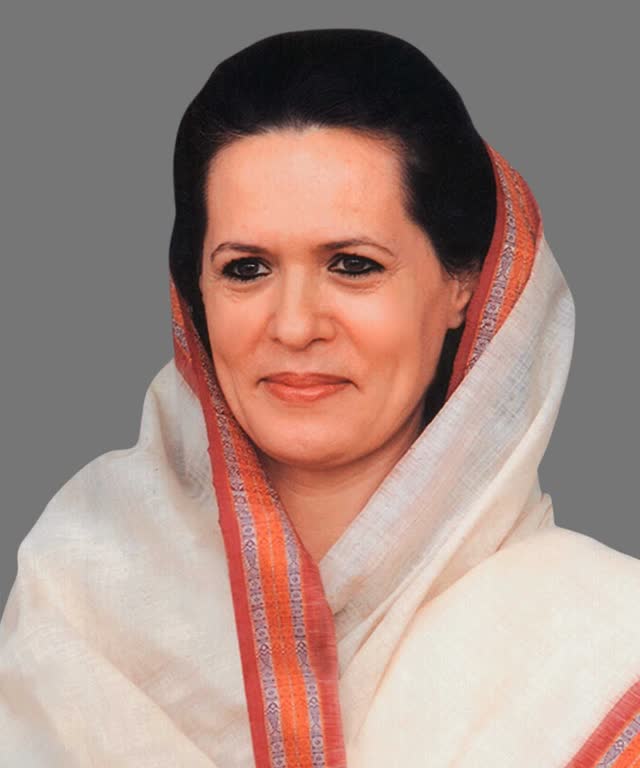
Smt Sonia Gandhi takes Primary Membership of the Partyதிருமதி சோனியா காந்தி கட்சியின் அடிப்படை உறுப்பினராகச் சேர்ந்தார்
Smt Sonia Gandhi took the primary membership of the party at the Calcutta Session in 1997. In her address, she said "Our ideology of nationalism, secularism, democracy and socialism is the only relevant ideology for our goal country. "1997 கல்கத்தா மாநாட்டில் திருமதி சோனியா காந்தி கட்சியின் அடிப்படை உறுப்பினராகச் சேர்ந்தார். தமது உரையில், “தேசியம், மதச்சார்பின்மை, ஜனநாயகம், சமதர்மம் ஆகிய நமது கொள்கையே நமது நாட்டின் இலக்குக்குப் பொருந்தும் ஒரே கொள்கை” என்று அவர் கூறினார்.

K. V. Thangkabaluக. வ. தங்கபாலு
1996ஜன. 12
1996
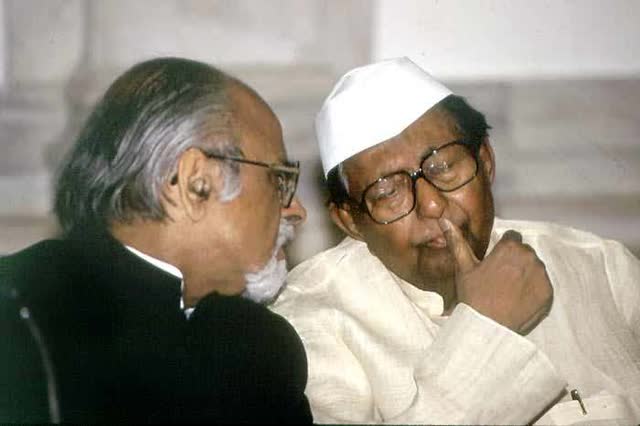
Congress Loses General Electionsபொதுத் தேர்தலில் காங்கிரஸ் தோல்வி
The Congress lost the 1996 general elections with its tally dropping to 140. P.V. Narasimha Rao resigned from the presidentship of the party. Sitaram Kesri was elected as the new Congress president. To keep the communal forces at bay, the party decided to provide outside support to the United Front government, under the leadership of H.D. Deve Gowda and later Inder Kumar Gujral.1996 பொதுத் தேர்தலில் காங்கிரஸ் தோற்று, அதன் இடங்கள் 140-ஆகச் சுருங்கின. பி.வி. நரசிம்ம ராவ் கட்சியின் தலைமைப் பொறுப்பிலிருந்து விலகினார். சீதாராம் கேசரி புதிய காங்கிரஸ் தலைவராகத் தேர்ந்தெடுக்கப்பட்டார். வகுப்புவாத சக்திகளைத் தூர வைப்பதற்காக, ஹெச்.டி. தேவ கௌடா, பின்னர் இந்தர் குமார் குஜ்ரால் தலைமையிலான ஐக்கிய முன்னணி அரசுக்கு வெளியிலிருந்து ஆதரவு அளிக்கக் கட்சி முடிவு செய்தது.

Kumari Anandanகுமரி அனந்தன்
New generationsபுதிய தலைமுறைகள்
From Vazhappady K. Ramamurthy to B. S. Gnanadesikan, a new generation of presidents rebuilt the party's base, fought alongside allies, and carried the Congress voice for Tamil Nadu in Delhi.
வாழப்பாடி க. ராமமூர்த்தி முதல் பி.எஸ். ஞானதேசிகன் வரை — புதிய தலைமுறைத் தலைவர்கள் கட்சியின் அடித்தளத்தை மீண்டும் கட்டி, தமிழ்நாட்டின் காங்கிரஸ் குரலை டெல்லியில் ஒலிக்கச் செய்தனர்.
1991ஜூலை 24
1991
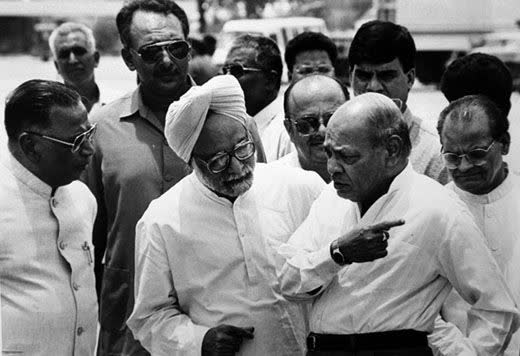
Economic Liberalisationபொருளாதார தாராளமயமாக்கல்
When the Congress returned to serve the country in 1991, the nation faced grave balance of payments crisis. India had to pledge its gold as part of a bailout deal with the IMF. On July 24, 1991 Finance Minister Dr Manmohan Singh introduced a series of reforms that unshackled the Indian economy and put the nation on a robust growth trajectory.1991ஆம் ஆண்டு காங்கிரஸ் மீண்டும் நாட்டுக்குச் சேவை செய்ய வந்தபோது, நாடு கடுமையான அயல்நாட்டுச் செலாவணி நெருக்கடியை எதிர்கொண்டிருந்தது. சர்வதேச நாணய நிதியத்துடன் ஏற்பட்ட மீட்பு ஏற்பாட்டின் ஒரு பகுதியாக இந்தியா தனது தங்கத்தை அடகு வைக்க வேண்டியிருந்தது. 1991 ஜூலை 24ஆம் தேதி நிதி அமைச்சர் டாக்டர் மன்மோகன் சிங், இந்தியப் பொருளாதாரத்தின் கட்டுகளை அறுத்து நாட்டை உறுதியான வளர்ச்சிப் பாதையில் ஏற்றிய தொடர்ச்சியான சீர்திருத்தங்களை அறிமுகப்படுத்தினார்.
1991ஜன. 12
1991
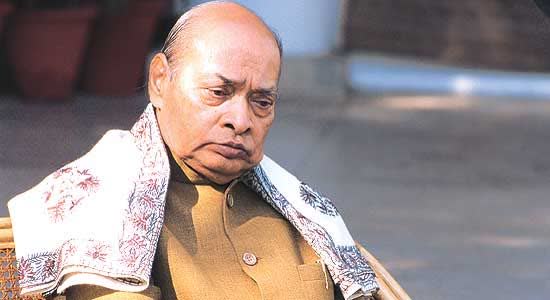
Congress Electedகாங்கிரஸ் தேர்ந்தெடுக்கப்பட்டது
Congress came to power riding on a sympathy wave after the martyrdom of Shri Rajiv Gandhi, P.V. Narsimha Rao was chosen as the Prime Minister. He appointed noted economist Dr Manmohan Singh as Finance Minister.திரு. ராஜீவ் காந்தியின் வீரமரணத்திற்குப் பின் எழுந்த அனுதாப அலையில் காங்கிரஸ் ஆட்சிக்கு வந்தது; பி.வி. நரசிம்ம ராவ் பிரதமராகத் தேர்ந்தெடுக்கப்பட்டார். புகழ்பெற்ற பொருளாதார அறிஞர் டாக்டர் மன்மோகன் சிங்கை அவர் நிதி அமைச்சராக நியமித்தார்.

Vazhappady K. Ramamurthyவாழப்பாடி க. ராமமூர்த்தி
1987ஜூலை 29
1987
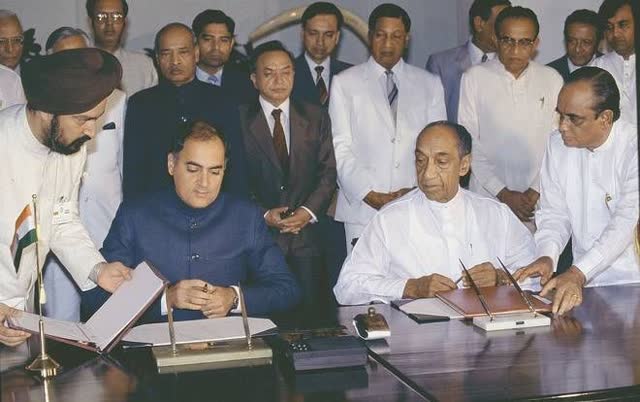
Indo-Sri Lanka Accordஇந்திய - இலங்கை ஒப்பந்தம்
PM Rajiv Gandhi and Sri Lankan President J.R. Jayewardene signed the Indo-Sri Lanka Peace Accord to resolve the ongoing civil war in the island country. Colombo agreed to a devolution of power to the provinces while the Tamil rebels were to surrender arms to the Indian Peace Keeping Force. However, the LTTE refused to disarm, declaring their intent to continue the armed struggle for an independent Tamil Eelam.தீவு நாட்டில் நடந்துவந்த உள்நாட்டுப் போரைத் தீர்க்கும் நோக்கில் பிரதமர் ராஜீவ் காந்தியும் இலங்கை அரசுத் தலைவர் ஜே.ஆர். ஜயவர்தனேவும் இந்திய - இலங்கை அமைதி ஒப்பந்தத்தில் கையெழுத்திட்டனர். மாகாணங்களுக்கு அதிகாரப் பகிர்வு வழங்குவதற்குக் கொழும்பு ஒப்புக்கொண்டது; தமிழ்ப் போராளிகள் இந்திய அமைதி காக்கும் படையினரிடம் ஆயுதங்களை ஒப்படைக்க வேண்டியிருந்தது. எனினும் விடுதலைப் புலிகள் ஆயுதங்களைக் கீழே வைக்க மறுத்து, தனி தமிழீழத்திற்கான ஆயுதப் போராட்டத்தைத் தொடரும் எண்ணத்தை அறிவித்தனர்.
1986ஜூன் 30
1986
Mizoram Accordமிசோரம் ஒப்பந்தம்
The Government of India and the Mizo National Front signed a Memorandum of Settlement on June 30, 1986. The accord restored peace and harmony in the state, which had been in turmoil since the 1950s. The signatories were Laldenga, leader of the movement, R. D. Pradhan, Union Home Secretary, and Lalkhama, Chief secretary, Mizoram.இந்திய அரசும் மிசோ தேசிய முன்னணியும் 1986 ஜூன் 30ஆம் தேதி சமரசப் புரிந்துணர்வு ஆவணத்தில் கையெழுத்திட்டன. 1950களிலிருந்து கொந்தளிப்பில் இருந்த அந்த மாநிலத்தில் இந்த ஒப்பந்தம் அமைதியையும் நல்லிணக்கத்தையும் மீட்டுத் தந்தது. இயக்கத்தின் தலைவர் லால்டெங்கா, மத்திய உள்துறைச் செயலாளர் ஆர்.டி. பிரதான், மிசோரம் தலைமைச் செயலாளர் லால்கமா ஆகியோர் கையெழுத்திட்டவர்கள்.
1986மே 1
1986
National Policy on Educationதேசியக் கல்விக் கொள்கை
In May, 1986, Rajivji unveiled the a new National Policy on Education, which called for "special emphasis on the removal of disparities and to equalise educational opportunity," especially for women, SCs and STs. This led to the establishment of the Jawahar Navodaya Vidyalaya System. "Operation Blackboard" to improve primary schools nationwide.The policy expanded the open university system with the Indira Gandhi National Open University, which had been created in 1985, opening up the education system,1986 மே மாதம் ராஜீவ் ஜி புதிய தேசியக் கல்விக் கொள்கையை வெளியிட்டார்; குறிப்பாகப் பெண்கள், ஆதி திராவிடர், பழங்குடியினர் ஆகியோருக்கு “ஏற்றத்தாழ்வுகளை நீக்குவதிலும் கல்வி வாய்ப்பைச் சமன் செய்வதிலும் தனிக் கவனம்” செலுத்த வேண்டும் என அது வலியுறுத்தியது. இதன் விளைவாக ஜவஹர் நவோதயா வித்யாலயா அமைப்பு உருவானது; நாடு முழுவதும் தொடக்கப் பள்ளிகளை மேம்படுத்த “ஆபரேஷன் பிளாக்போர்டு” தொடங்கப்பட்டது. 1985ஆம் ஆண்டு உருவாக்கப்பட்டிருந்த இந்திரா காந்தி தேசிய திறந்தநிலைப் பல்கலைக்கழகத்தின் வழியே திறந்தநிலைப் பல்கலைக்கழக முறையை இக்கொள்கை விரிவாக்கி, கல்வி அமைப்பைத் திறந்து வைத்தது.
1986ஏப். 1
1986
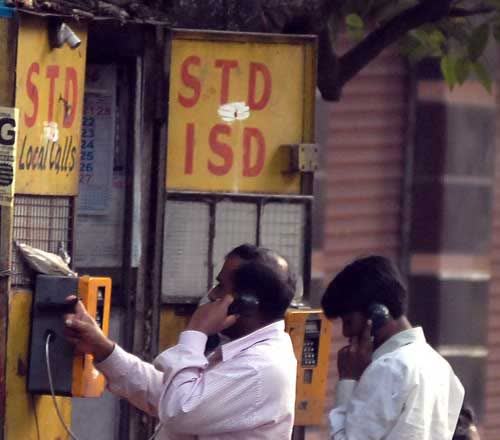
Telecom Revolutionதொலைத்தொடர்புப் புரட்சி
The setting up of the MTNL on April 01 1986, marked the begining of Rajivji's telecome revolution. In 1987, he appointed Sam Pitroda as his Chief Technology Advisor, paving way for the setting up of Public Call Offices (PCOs) across the country. The government provided telephones to small entrepreneurs. By 2004, there were 1.52 million PCOs across the country, connecting India like never before. By 2004, there were 1.52 million PCOs across the country, connecting India like never before.1986 ஏப்ரல் 1ஆம் தேதி MTNL நிறுவப்பட்டது ராஜீவ் ஜியின் தொலைத்தொடர்புப் புரட்சியின் தொடக்கமாக அமைந்தது. 1987ஆம் ஆண்டு சாம் பிட்ரோடாவைத் தமது தலைமை தொழில்நுட்ப ஆலோசகராக அவர் நியமித்தார்; நாடு முழுவதும் பொதுத் தொலைபேசி நிலையங்கள் (PCO) அமைவதற்கு அது வழி வகுத்தது. சிறு தொழில் முனைவோருக்கு அரசு தொலைபேசிகளை வழங்கியது. 2004ஆம் ஆண்டு வாக்கில் நாடு முழுவதும் 15.2 லட்சம் பொதுத் தொலைபேசி நிலையங்கள் இருந்தன; இந்தியா இதற்கு முன் இல்லாத அளவில் இணைக்கப்பட்டது.
1985டிச. 27
1985
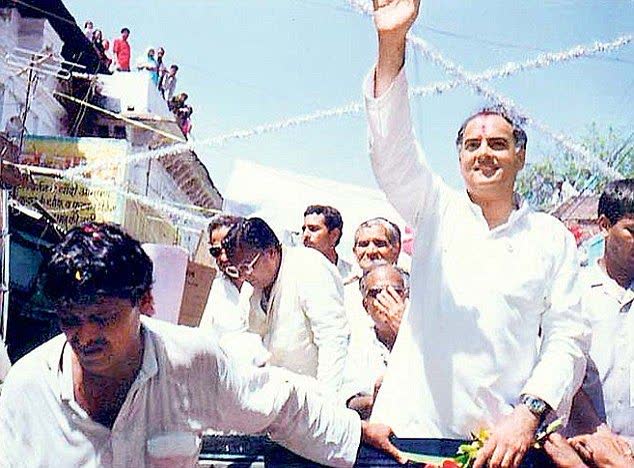
Congress Centenaryகாங்கிரஸ் நூற்றாண்டு
The Congress commemorated its centenary under the leadership of Rajivji. "Let us build an India ' proud of her independence; powerful in defence of her freedom; strong, self-reliant in agriculture, industry and front-rank technology; united by bonds transcending barriers of caste, creed and region; liberated from the bondage of poverty and of social and economic inequality," Rajivji saidராஜீவ் ஜியின் தலைமையில் காங்கிரஸ் தனது நூற்றாண்டைக் கொண்டாடியது. “தன் சுதந்திரத்தில் பெருமிதம் கொண்ட; தன் விடுதலையைக் காப்பதில் வலிமையான; வேளாண்மை, தொழில், முன்னணி தொழில்நுட்பம் ஆகியவற்றில் திறன்மிக்க, தன்னிறைவு கொண்ட; சாதி, சமயம், பிரதேசம் ஆகிய தடைகளைக் கடந்த பிணைப்புகளால் ஒன்றிணைந்த; வறுமையின் பிடியிலிருந்தும் சமூக, பொருளாதார ஏற்றத்தாழ்விலிருந்தும் விடுபட்ட இந்தியாவை நாம் கட்டுவோம்” என்று ராஜீவ் ஜி கூறினார்.
1985ஆக. 15
1985
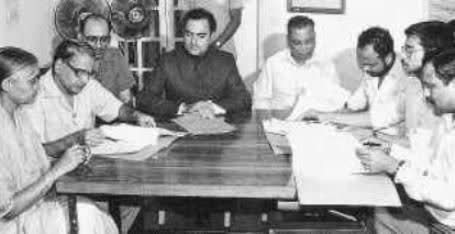
Assam Accordஅசாம் ஒப்பந்தம்
The Government of India and the leaders of the Assam agitation signed a Memorandum of Settlement (MoS) in New Delhi on Augst 15, 1985. The accord was signed in the presence of Prime Minister Rajiv Gandhi by Union Home Secretary R.D. Pradhan, Chief Secretary, Government of Assam, P.P. Trivedi and the leaders of the agitation Prafulla Kumar Mahanta, Bhrigu Kumar Phukan and Biraj Sharma, bringing an end to the Assam Agitation.இந்திய அரசும் அசாம் போராட்டத்தின் தலைவர்களும் 1985 ஆகஸ்ட் 15ஆம் தேதி புது டெல்லியில் சமரசப் புரிந்துணர்வு ஆவணத்தில் (MoS) கையெழுத்திட்டனர். பிரதமர் ராஜீவ் காந்தி முன்னிலையில், மத்திய உள்துறைச் செயலாளர் ஆர்.டி. பிரதான், அசாம் அரசின் தலைமைச் செயலாளர் பி.பி. திரிவேதி, போராட்டத் தலைவர்களான பிரபுல்ல குமார் மகந்தா, பிருகு குமார் புகன், பிராஜ் சர்மா ஆகியோர் இந்த ஒப்பந்தத்தில் கையெழுத்திட்டு, அசாம் போராட்டத்திற்கு முடிவு கட்டினர்.
1985ஜூலை 24
1985
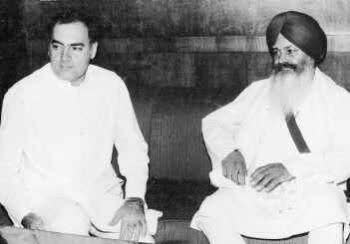
Rajiv-Longowal Accordராஜீவ் - லோங்கோவால் ஒப்பந்தம்
The Punjab Accord, also known as the Rajiv-Longowal accord, was signed by PM Rajiv Gandhi and Harcharan Singh Longowal on July 24, 1985.According to the agreement, the government accepted the demands of the Akali Dal, which in turn agreed to withdraw its agitation.ராஜீவ் - லோங்கோவால் ஒப்பந்தம் என்றும் அழைக்கப்படும் பஞ்சாப் ஒப்பந்தம், 1985 ஜூலை 24ஆம் தேதி பிரதமர் ராஜீவ் காந்தியாலும் ஹர்சரண் சிங் லோங்கோவாலாலும் கையெழுத்திடப்பட்டது. இந்த ஒப்பந்தத்தின்படி, அகாலி தளத்தின் கோரிக்கைகளை அரசு ஏற்றுக்கொண்டது; அதற்குப் பதிலாக அகாலி தளம் தனது போராட்டத்தைத் திரும்பப் பெறுவதற்கு ஒப்புக்கொண்டது.
1984டிச. 24
1984
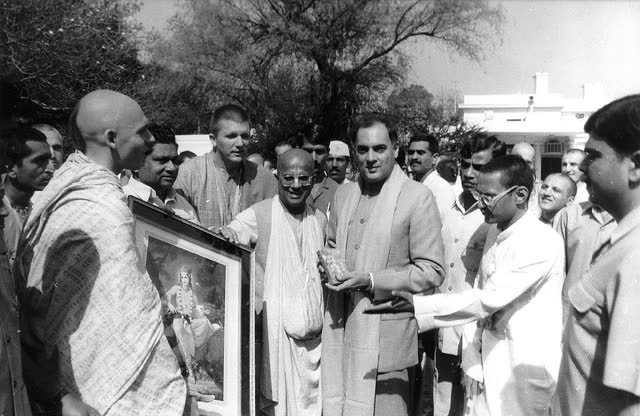
Congress Sweeps LS Electionsமக்களவைத் தேர்தலில் காங்கிரஸ் அமோக வெற்றி
Under Rajivji's leadership, the Congress swept the 1984 Lok Sabha elections winning 404 seat.The Opposition parties were decimated, with the BJP winning just two seats and the Janata Party ten.ராஜீவ் ஜியின் தலைமையில் 1984 மக்களவைத் தேர்தலில் காங்கிரஸ் 404 இடங்களைக் கைப்பற்றி அமோக வெற்றி பெற்றது. எதிர்க்கட்சிகள் சுவடு தெரியாமல் அழிந்தன; பாஜக இரண்டு இடங்களையும் ஜனதா கட்சி பத்து இடங்களையும் மட்டுமே பெற்றன.
1984அக். 31
1984
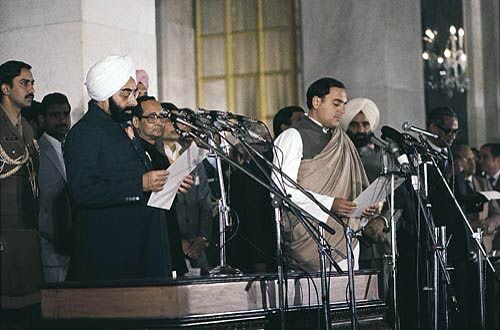
Shri Rajiv Gandhi takes over as PMதிரு. ராஜீவ் காந்தி பிரதமராகப் பொறுப்பேற்றார்
Shri Rajiv Gandhi was sworn-in as the Prime Minister after Indira ji's martyrdom.இந்திரா ஜியின் வீரமரணத்திற்குப் பின் திரு. ராஜீவ் காந்தி பிரதமராகப் பதவியேற்றார்.
1984அக். 31
1984
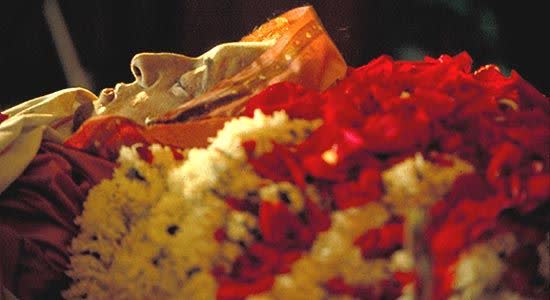
Martyrdom of Smt Indira Gandhiதிருமதி இந்திரா காந்தியின் வீரமரணம்
At about 9:20 AM on 31 October 1984, Indira Gandhi was shot dead by her own bodyguards. The nation errupted in an outporuing of grief.1984 அக்டோபர் 31ஆம் தேதி காலை சுமார் 9:20 மணிக்கு, இந்திரா காந்தி தமது சொந்த மெய்க்காப்பாளர்களால் சுட்டுக் கொல்லப்பட்டார். நாடு துயரப் பெருக்கில் மூழ்கியது.

M. Palaniyandiம. பழனியாண்டி
1980ஜன. 14
1980
Indira Gandhi Sweeps Back to Powerஇந்திரா காந்தி மீண்டும் அமோக வெற்றியுடன் ஆட்சிக்கு
Indira Gandhi sweeps back to power with 351 seats in the Lok Sabha. Janata Party managed to win only 31 seats in the Lok Sabha, bringing an end to one of the most tumultuous eras in Indian political history.மக்களவையில் 351 இடங்களுடன் இந்திரா காந்தி மீண்டும் ஆட்சிக்குத் திரும்பினார். ஜனதா கட்சி மக்களவையில் 31 இடங்களை மட்டுமே பெற முடிந்தது; இந்திய அரசியல் வரலாற்றின் மிகக் கொந்தளிப்பான காலகட்டங்களில் ஒன்று அதனுடன் முடிவுக்கு வந்தது.
M. P. Subramaniamம. ப. சுப்பிரமணியம்
L. Elayaperumalல. இளையபெருமாள்
1976நவ. 2
1976
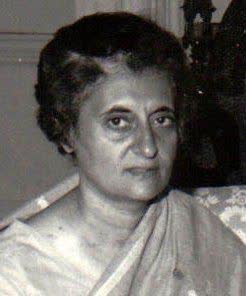
Forty-Second Amendmentநாற்பத்திரண்டாவது அரசியலமைப்புத் திருத்தம்
Under Indiraji's leadership, the government brought about the 42nd Amendment to the Indian Constituion, which altered the Preamble. It described India as a "sovereign, socialist, secular, democratic republic", adding the words socialist and secular to the earlier version. Also, the phrase "unity of the nation" was modified to "unity and integrity of the nation".இந்திரா ஜியின் தலைமையில் அரசு இந்திய அரசியலமைப்பின் 42ஆவது திருத்தத்தைக் கொண்டுவந்தது; அது முன்னுரையை மாற்றியது. இந்தியாவை “இறையாண்மை கொண்ட, சமதர்ம, மதச்சார்பற்ற, ஜனநாயகக் குடியரசு” என்று அது வருணித்தது; சமதர்ம, மதச்சார்பற்ற எனும் சொற்கள் முந்தைய வடிவத்துடன் புதிதாகச் சேர்க்கப்பட்டன. மேலும் “நாட்டின் ஒற்றுமை” எனும் தொடர் “நாட்டின் ஒற்றுமையும் ஒருமைப்பாடும்” என மாற்றப்பட்டது.

G. K. Moopanarக. க. மூப்பனார்
Mahadevan Pillaiமகாதேவன் பிள்ளை
Keeping the flameசுடர் காத்த காலம்
Through changing political tides in the state, TNCC presidents kept the Congress organisation alive in every district — the years of P. Kakkan's simplicity, G. K. Moopanar's organisational mastery, and workers who never left the field.
மாநில அரசியல் மாற்றங்களுக்கிடையிலும், ஒவ்வொரு மாவட்டத்திலும் காங்கிரஸ் அமைப்பை TNCC தலைவர்கள் காத்து நின்றனர் — கக்கன் அவர்களின் எளிமை, ஜி.கே. மூப்பனாரின் அமைப்புத் திறன், களம் விடாத தொண்டர்கள்.

K. S. Ramasamy Gounderக.ச. ராமசாமி கவுண்டர்

Maragatham Chandrasekarமரகதம் சந்திரசேகர்
Ramiahராமையா
1971டிச. 16
1971
India Triumphs, Indira's Steely Resolve Hailedஇந்தியா வெற்றி; இந்திராவின் உறுதி பாராட்டப்பட்டது
The Pakistani forces in East Pakistan, commanded by Lt Gen AAK Niazi, surrendered to Lt Gen Jagjit S Aurora, GOC in-chief of the Eastern Command of the Indian Army at Dhaka on Dec 16, 1971, at 16.31 IST.கிழக்குப் பாகிஸ்தானில் இருந்த பாகிஸ்தானியப் படைகள், லெப்டினன்ட் ஜெனரல் ஏ.ஏ.கே. நியாசி தலைமையில், 1971 டிசம்பர் 16ஆம் தேதி இந்திய நேரம் மாலை 4.31 மணிக்கு டாக்காவில், இந்திய இராணுவத்தின் கிழக்குப் படைப் பிரிவின் தலைமைத் தளபதி லெப்டினன்ட் ஜெனரல் ஜக்ஜித் சிங் அரோராவிடம் சரணடைந்தன.
1971டிச. 3
1971
Pakistan Attacks Indiaபாகிஸ்தான் இந்தியா மீது தாக்குதல்
On the evening of December 3, 1971, Pakistani planes attacked 11 airfields in India. PM Indira Gandhi addressed the nation and stated that the air strikes were a declaration of war against India. IAF responded with initial air strikes soon after1971 டிசம்பர் 3ஆம் தேதி மாலை பாகிஸ்தானிய விமானங்கள் இந்தியாவின் 11 விமானத் தளங்கள் மீது தாக்குதல் நடத்தின. பிரதமர் இந்திரா காந்தி நாட்டு மக்களுக்கு உரையாற்றி, இந்த வான்வழித் தாக்குதல்கள் இந்தியாவுக்கு எதிரான போர்ப் பிரகடனமே என்று கூறினார். சிறிது நேரத்தில் இந்திய வானூர்திப் படை தனது முதல் வான்வழித் தாக்குதல்களால் பதிலடி கொடுத்தது.
1971ஜூலை 31
1971
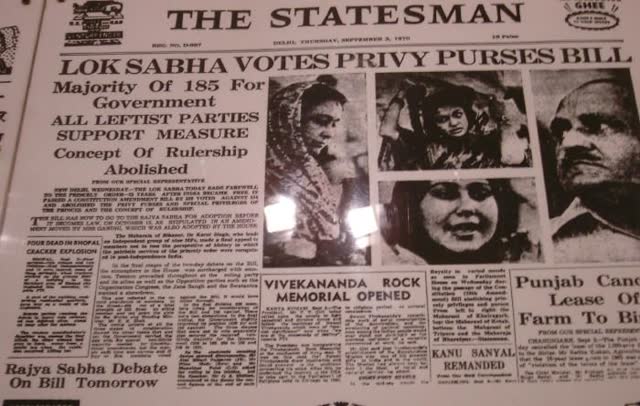
Privy Purses Abolishedமன்னர்களுக்கான சிறப்புப் படிகள் ரத்து
On July 31, 1971 The Parliament passed the 26th Constitutional Amendment, abolishing the privy purses that were being given to the rulers of the erstwhile princely states. Smt Indira Gandhi said, "The concept of rulership, with privy purses and special privileges unrelated to any current functions and social purposes, is incompatible with an egalitarian social order."1971 ஜூலை 31ஆம் தேதி நாடாளுமன்றம் 26ஆவது அரசியலமைப்புத் திருத்தத்தை நிறைவேற்றி, முன்னாள் சமஸ்தான மன்னர்களுக்கு வழங்கப்பட்டுவந்த சிறப்புப் படிகளை ரத்து செய்தது. திருமதி இந்திரா காந்தி கூறினார்: “இன்றைய பணிகளுக்கும் சமூக நோக்கங்களுக்கும் தொடர்பில்லாத சிறப்புப் படிகளையும் சிறப்புச் சலுகைகளையும் கொண்ட மன்னராட்சி எனும் கருத்து, சமத்துவ சமூக அமைப்புக்கு ஒத்துப்போகாது.”
1971மார். 10
1971
Indira Triumphs: People Vote for 'Garibi Hatao'இந்திரா வெற்றி: 'கரீபி ஹட்டாவோ' முழக்கத்திற்கு மக்கள் ஆதரவு
The revolutionary policies pursued by Indiraji were vindicated in March 1971, when the Congress won an emphatic victory in the Lok Sabha elections. The party improved its tally from 283 seats in 1967 to 352 seats in the fifth general elections. Bupyed by the victory, the Congress rededicated itself to eradicating poverty from the country.இந்திரா ஜி பின்பற்றிய புரட்சிகரமான கொள்கைகள் 1971 மார்ச்சில் நியாயப்படுத்தப்பட்டன; மக்களவைத் தேர்தலில் காங்கிரஸ் தெளிவான வெற்றி பெற்றது. ஐந்தாவது பொதுத் தேர்தலில் கட்சி 1967இல் பெற்ற 283 இடங்களிலிருந்து 352 இடங்களுக்கு உயர்ந்தது. இந்த வெற்றியால் உற்சாகம் பெற்று, நாட்டிலிருந்து வறுமையை ஒழிக்கும் பணிக்குக் காங்கிரஸ் தன்னை மீண்டும் அர்ப்பணித்தது.

A. P. C. V. Veerabahuஅ.ப.சி.வெ. வீரபாகு

P. Ramachandranப. ராமச்சந்திரன்
1969ஜூலை 19
1969
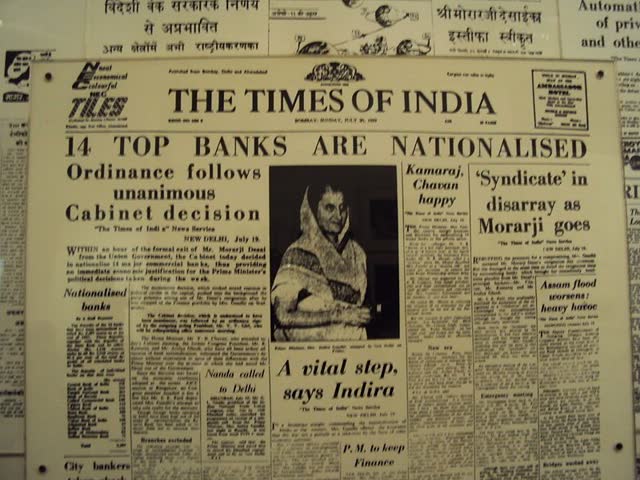
Bank Nationalisationவங்கிகள் தேசியமயமாக்கல்
14 major private banks were nationalised to open the doors of the banking sector to the poor. The expansion of commercial banking had so far excluded rural areas and small-scale borrowers. The success of the decision can be gauged by the fact that by 1979, the total number of branches of these banks increased from 8,262 in 1969 to 30,202.வங்கித் துறையின் கதவுகளை ஏழைகளுக்குத் திறந்துவிடும் நோக்கில் 14 பெரிய தனியார் வங்கிகள் தேசியமயமாக்கப்பட்டன. அதுவரை வணிக வங்கியியலின் விரிவாக்கம் கிராமப்புறங்களையும் சிறிய அளவில் கடன் பெறுவோரையும் விட்டுவைத்திருந்தது. இந்த முடிவின் வெற்றியை ஒரு புள்ளிவிவரத்தால் அளக்க முடியும்: 1969ஆம் ஆண்டு 8,262 ஆக இருந்த இந்த வங்கிகளின் மொத்தக் கிளைகளின் எண்ணிக்கை 1979ஆம் ஆண்டு வாக்கில் 30,202 ஆக உயர்ந்தது.

R. V. Swaminathanர. வ. சாமிநாதன்
1967ஜூன் 23
1967
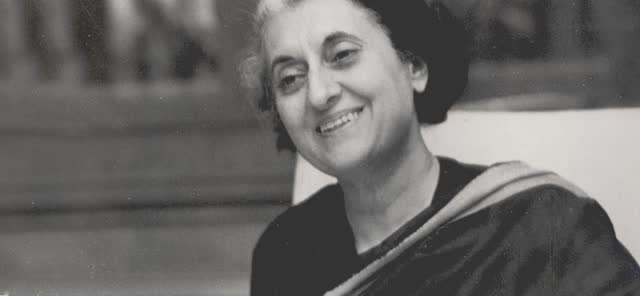
Ten Point Programmeபத்து அம்சத் திட்டம்
At the AICC meet in June 1967, Indiraji unveiled her Ten Point programme seeking social control of banking institutions; nationalisation of general insurance; nationalisation of export and import trade; public distribution of foodgrain; curbs on monopolies and concentration of economic power; limits on urban incomes and property; better implementation of land reform; and an end to princely privileges and privy purses.1967 ஜூன் மாதம் நடைபெற்ற AICC கூட்டத்தில் இந்திரா ஜி தமது பத்து அம்சத் திட்டத்தை வெளியிட்டார்: வங்கி நிறுவனங்களை சமூகக் கட்டுப்பாட்டின் கீழ் கொண்டுவருவது; பொதுக் காப்பீட்டைத் தேசியமயமாக்குவது; ஏற்றுமதி - இறக்குமதி வணிகத்தைத் தேசியமயமாக்குவது; உணவு தானியங்களைப் பொது விநியோகம் செய்வது; தனியுரிமைக் குழுமங்களுக்கும் பொருளாதார அதிகாரக் குவிப்புக்கும் தடை; நகர்ப்புற வருவாய்க்கும் சொத்துக்கும் உச்ச வரம்பு; நிலச் சீர்திருத்தத்தை மேலும் சிறப்பாக நடைமுறைப்படுத்துவது; மன்னர்களுக்கான சிறப்புச் சலுகைகளையும் சிறப்புப் படிகளையும் ஒழிப்பது.

C. Subramaniamச. சுப்பிரமணியம்
1966ஜன. 24
1966
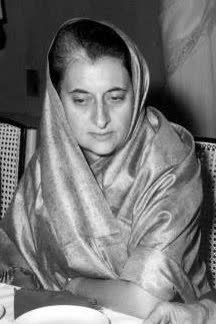
Indira Gandhi chosen as Prime Ministerஇந்திரா காந்தி பிரதமராகத் தேர்ந்தெடுக்கப்பட்டார்
On January 24. 1966 Smt Indira Gandhi took over as the Prime Minister of India. After Shastriji's death in Tashkent Shri Gulzari Lal Nanda had been functioning as the caretaker Prime Minister. He had performed a similar role after Pandit Nehru's death in 1964.1966 ஜனவரி 24ஆம் தேதி திருமதி இந்திரா காந்தி இந்தியப் பிரதமராகப் பொறுப்பேற்றார். தாஷ்கண்டில் சாஸ்திரி ஜி மறைந்த பின், திரு. குல்சாரி லால் நந்தா இடைக்காலப் பிரதமராகச் செயல்பட்டு வந்தார். 1964ஆம் ஆண்டு பண்டித நேரு மறைந்த பின்னரும் அவர் இதே பொறுப்பை ஆற்றியிருந்தார்.
1966ஜன. 11
1966
Shastri Ji Passes Away at Tashkent, USSRசாஸ்திரி ஜி தாஷ்கண்டில் காலமானார்
India and Pakistan signed the Tashkent Declaration on January 10, 1966 to bring an end to the Indo-Pak war. Shastriji passed away the next day due to a heart attack.இந்திய - பாகிஸ்தான் போருக்கு முடிவு கட்டும் நோக்கில் 1966 ஜனவரி 10ஆம் தேதி இந்தியாவும் பாகிஸ்தானும் தாஷ்கண்ட் பிரகடனத்தில் கையெழுத்திட்டன. மறுநாளே மாரடைப்பால் சாஸ்திரி ஜி காலமானார்.
1965ஆக. 5
1965
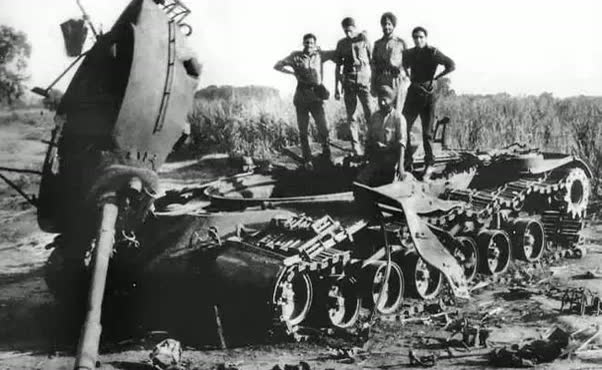
Pakistan Attacks Indiaபாகிஸ்தான் இந்தியா மீது தாக்குதல்
On 5 Aug 1965, thousands of Pakistani soldiers crossed the Line of Control dressed as Kashmiri locals and tried to infiltrate into various areas within Kashmir. India retaliated against the attack in self-defence. The war ended after the signing of the Tashkent Declaration. It was during the war that Shastriji gave us the slogan 'Jai Jawan, Jai Kisan' launching a war against both external agression as well as the domestic food shortage.1965 ஆகஸ்ட் 5ஆம் தேதி காஷ்மீர் உள்ளூர் மக்கள் போல் உடையணிந்து ஆயிரக்கணக்கான பாகிஸ்தானிய வீரர்கள் கட்டுப்பாட்டுக் கோட்டைக் கடந்து, காஷ்மீருக்குள் பல பகுதிகளில் ஊடுருவ முயன்றனர். தற்காப்புக்காக இந்தியா அத்தாக்குதலுக்குப் பதிலடி கொடுத்தது. தாஷ்கண்ட் பிரகடனத்தில் கையெழுத்திட்ட பின் போர் முடிவுக்கு வந்தது. வெளிப்புற ஆக்கிரமிப்புக்கும் உள்நாட்டு உணவுப் பஞ்சத்திற்கும் எதிராக ஒருசேரப் போர் தொடுத்து, ‘ஜெய் ஜவான், ஜெய் கிசான்’ எனும் முழக்கத்தை சாஸ்திரி ஜி நமக்குத் தந்ததும் இந்தப் போர்க்காலத்தில்தான்.
1964ஜூன் 9
1964
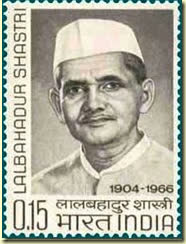
Shastriji Takes Over as PMசாஸ்திரி ஜி பிரதமராகப் பொறுப்பேற்றார்
Lal Bahadur Shastri took over as the Prime Minister on June 9, 1964. In his address to the Nation on June 11, Shastriji said: "Our way is straight and clear, the building up of a socialist democracy at home with freedom and prosperity for all.."1964 ஜூன் 9ஆம் தேதி லால் பகதூர் சாஸ்திரி பிரதமராகப் பொறுப்பேற்றார். ஜூன் 11ஆம் தேதி நாட்டு மக்களுக்கு ஆற்றிய உரையில் சாஸ்திரி ஜி கூறினார்: “நமது பாதை நேரானதும் தெளிவானதும்: அனைவருக்கும் விடுதலையும் வளமும் அளிக்கும் ஒரு சமதர்ம ஜனநாயகத்தை நாட்டில் கட்டியெழுப்புவது.”
1964மே 27
1964
Pt Nehru passes awayபண்டித நேரு காலமானார்
The first Prime Minister of Independent India Pandit Jawaharlal Nehru passed away at the age of 74 on 27 May, 1964, bringing an end to one of the most illustrious chapters in the nation's history. He left behind a legacy of strong democratic institutions and a state based on the values of secularism and socialism.சுதந்திர இந்தியாவின் முதல் பிரதமர் பண்டித ஜவஹர்லால் நேரு 1964 மே 27ஆம் தேதி தமது 74ஆவது வயதில் காலமானார்; நாட்டின் வரலாற்றில் மிகச் சிறப்புமிக்க அத்தியாயங்களில் ஒன்று அதனுடன் முடிவுக்கு வந்தது. வலிமையான ஜனநாயக நிறுவனங்களையும், மதச்சார்பின்மை, சமதர்மம் ஆகிய பெறுமானங்களை அடிப்படையாகக் கொண்ட ஒரு நாட்டையும் அவர் விட்டுச் சென்றார்.
1964ஜன. 9
1964
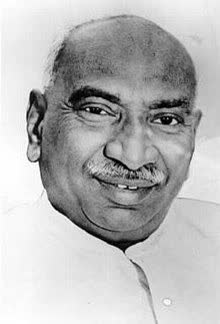
Bhubaneshwar Sessionபுவனேஸ்வர் மாநாடு
The Congress met at Bhubaneshwar in 1964 under K Kamaraj. The Congress's commitment to socialistic ideals, which had been expressed during the Avadi and Nagpur sessions, was reiterated in Bhubaneshwar. However, Pandit Nehru suddenly fell ill during the deliberations at Bhubaneshwar.1964ஆம் ஆண்டு கா. காமராஜர் தலைமையில் காங்கிரஸ் புவனேஸ்வரில் கூடியது. ஆவடி, நாக்பூர் மாநாடுகளில் வெளிப்படுத்தப்பட்டிருந்த சமதர்மக் கொள்கைகளுக்கான காங்கிரசின் உறுதிப்பாடு புவனேஸ்வரிலும் மீண்டும் வலியுறுத்தப்பட்டது. எனினும் புவனேஸ்வரில் விவாதங்கள் நடந்த வேளையில் பண்டித நேரு திடீரென உடல்நலம் குன்றினார்.
1962ஏப். 2
1962
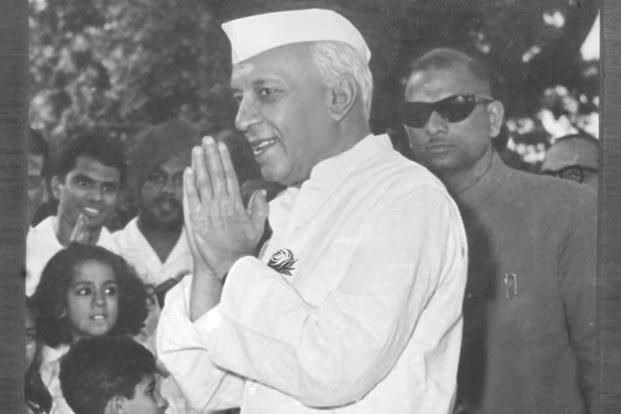
1962 General Elections1962 பொதுத் தேர்தல்
The Congress's efforts at nation-building under the leadership of Pandit Nehru were recognised by the people as it was re-elected to power in the 1962 General Elections. The party won 361 seats out of a total of 494, the Communist Party of India was a distant second with a tally of 29.பண்டித நேருவின் தலைமையில் காங்கிரஸ் ஆற்றிய நாடு கட்டும் முயற்சிகள் மக்களால் அங்கீகரிக்கப்பட்டன; 1962 பொதுத் தேர்தலில் அது மீண்டும் ஆட்சிக்குத் தேர்ந்தெடுக்கப்பட்டது. மொத்தம் 494 இடங்களில் 361 இடங்களைக் கட்சி கைப்பற்றியது; 29 இடங்களுடன் இந்திய கம்யூனிஸ்ட் கட்சி வெகு தொலைவில் இரண்டாம் இடத்தில் இருந்தது.

R. Krishnasamy Naiduர. கிருஷ்ணசாமி நாயுடு
1960ஜன. 16
1960
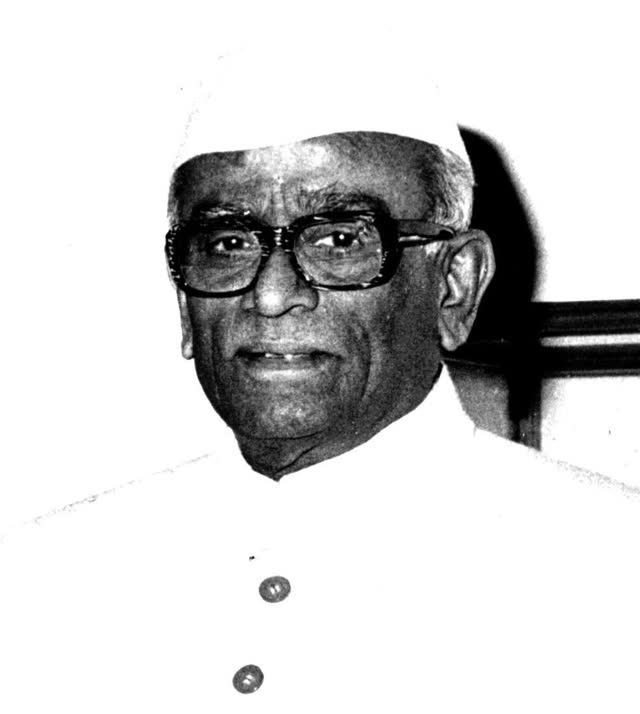
Bangalore Sessionபெங்களூரு மாநாடு
The newly elected Congress president N Sanjeeva Reddy launched a spirited counter-attack against the Swatantra Party. ' What has been said is merely the criticism of the Congress and some of its leaders. It is on this negative basis that this new party stands, with no foundation at all,' he said.புதிதாகத் தேர்ந்தெடுக்கப்பட்ட காங்கிரஸ் தலைவர் நீலம் சஞ்சீவ ரெட்டி சுதந்திரா கட்சிக்கு எதிராக வீரியமான எதிர்த்தாக்குதலைத் தொடங்கினார். “சொல்லப்பட்டிருப்பதெல்லாம் காங்கிரஸ் மீதும் அதன் சில தலைவர்கள் மீதும் வைக்கப்படும் விமர்சனம் மட்டுமே. இந்த எதிர்மறை அடித்தளத்தில்தான் இந்தப் புதிய கட்சி நிற்கிறது; அதற்குச் சொந்த அடித்தளம் என்று எதுவுமே இல்லை” என்று அவர் கூறினார்.

O. V. Alagesanஒ. வ. அழகேசன்
1959ஆக. 1
1959
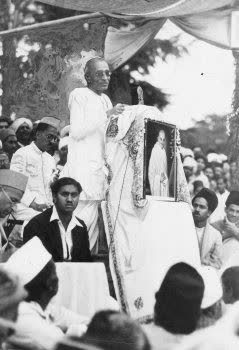
Swatantra Partyசுதந்திரா கட்சி
Besides the rise of Indira Gandhi, the other major fallout of the Nagpur session was the alienation of the free-market proponents within the Congress. The economic resolution passed at the session emphasised the Congress's committment towards land reforms and cooperative farming. Upset at this left-ward turn, C Rajagopalachari and N.G. Ranga left the Congress and formed the Swatantra Party.இந்திரா காந்தியின் எழுச்சியைத் தவிர, நாக்பூர் மாநாட்டின் மற்றொரு முக்கிய விளைவு காங்கிரசுக்குள் இருந்த தடையற்ற சந்தை ஆதரவாளர்கள் அன்னியப்பட்டதுதான். மாநாட்டில் நிறைவேற்றப்பட்ட பொருளாதாரத் தீர்மானம், நிலச் சீர்திருத்தங்கள் மற்றும் கூட்டுறவு வேளாண்மை மீதான காங்கிரசின் உறுதிப்பாட்டை வலியுறுத்தியது. இந்த இடதுசாரி திருப்பத்தால் மனம் வருந்திய சி. ராஜகோபாலாச்சாரியும் என்.ஜி. ரங்காவும் காங்கிரசை விட்டு விலகி சுதந்திரா கட்சியைத் தொடங்கினர்.
1959பிப். 4
1959
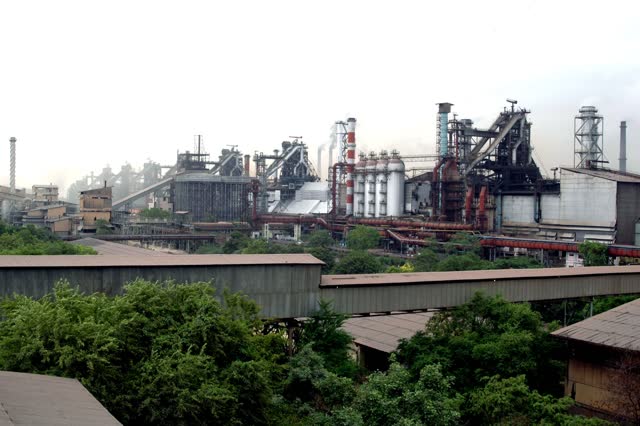
Bhilai Steel Plant Inauguratedபிலாய் இரும்பு ஆலை திறக்கப்பட்டது
First President of India, Dr. Rajendra Prasad, on 4 February 1959 inagurated the Bhilai Steel Plant which was India's first and main producer of steel rails, wide steel plates and other steel products.இந்தியாவின் முதல் குடியரசுத் தலைவர் டாக்டர் ராஜேந்திர பிரசாத் 1959 பிப்ரவரி 4ஆம் தேதி பிலாய் இரும்பு ஆலையைத் திறந்து வைத்தார்; இரயில் தண்டவாளங்கள், அகன்ற எஃகுத் தகடுகள் மற்றும் பிற எஃகுப் பொருள்களை உற்பத்தி செய்த இந்தியாவின் முதல், முதன்மையான ஆலை அதுவே.
1959ஜன. 9
1959
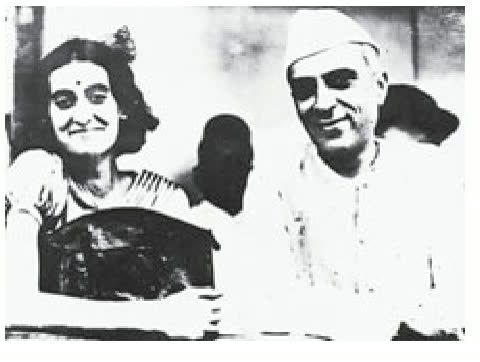
Indiraji Becomes Presidentஇந்திரா ஜி தலைவரானார்
In 1959, Indira Gandhi was elected as the Congress president. She had already been an elected member of the CWC since 1955 but at Nagpur, the outgoing president U.N. Dhebar suggested her name. Lal Bahadur Shastri proposed her name in the CWC and Indiraji, then just 41 years of age, became the president of the Congress party.1959ஆம் ஆண்டு இந்திரா காந்தி காங்கிரஸ் தலைவராகத் தேர்ந்தெடுக்கப்பட்டார். 1955ஆம் ஆண்டிலிருந்தே அவர் செயற்குழுவின் தேர்ந்தெடுக்கப்பட்ட உறுப்பினராக இருந்தார்; நாக்பூரில் பதவி விலகும் தலைவர் யூ.என். தேபர் அவரது பெயரைப் பரிந்துரைத்தார். செயற்குழுவில் லால் பகதூர் சாஸ்திரி அவரது பெயரை முன்மொழிந்தார்; அப்போது 41 வயது மட்டுமே நிரம்பியிருந்த இந்திரா ஜி காங்கிரஸ் கட்சியின் தலைவரானார்.
1958ஜன. 18
1958
The Language Questionமொழிப் பிரச்சினை
The 'language question' featured prominently in the discussions during the Gauhati Session in 1958. The party resolution stated that all languages mentioned in Schedule VIII of the Constitution are national languages, which should all be encouraged equally. However, the resolution did stress that there was a need for a 'link language, which should not be a foreign language.1958 கௌஹாத்தி மாநாட்டின் விவாதங்களில் ‘மொழிப் பிரச்சினை’ முக்கிய இடம் பெற்றது. அரசியலமைப்பின் எட்டாவது அட்டவணையில் இடம்பெற்றுள்ள அனைத்து மொழிகளும் தேசிய மொழிகளே; அவை அனைத்தும் சமமாக ஊக்குவிக்கப்பட வேண்டும் என்று கட்சித் தீர்மானம் கூறியது. எனினும் ஒரு ‘இணைப்பு மொழி’ தேவை என்பதையும், அது ஓர் அன்னிய மொழியாக இருக்கக் கூடாது என்பதையும் அத்தீர்மானம் வலியுறுத்தியது.
K. Rajaram Naiduக. ராஜாராம் நாயுடு

P. Kakkanப. காக்கன்
1954ஜூலை 7
1954
Bhakra Nangal Dam Inauguratedபக்ரா நங்கல் அணை திறக்கப்பட்டது
Prime Minister Pandit Nehru inaugurated the Bhakra Nangal Dam. He said: "Bhakra, the new temple of resurgent India, is the symbol of India's progress." The dam revolutionised irrigation in northern India, thereby preparing the foundation for the Green Revolution, which removed India's foodgrain shortage.பிரதமர் பண்டித நேரு பக்ரா நங்கல் அணையைத் திறந்து வைத்தார். “மீள்எழுச்சி கொண்ட இந்தியாவின் புதிய கோயில் பக்ரா; அது இந்தியாவின் முன்னேற்றத்தின் சின்னம்” என்று அவர் கூறினார். வட இந்தியாவின் நீர்ப்பாசனத்தை இந்த அணை புரட்சிகரமாக மாற்றியது; இந்தியாவின் உணவு தானியப் பஞ்சத்தை நீக்கிய பசுமைப் புரட்சிக்கான அடித்தளத்தை அதன் வழியே அமைத்தது.
Independence and the Kamaraj eraசுதந்திரமும் காமராஜர் காலமும்
With freedom won, the Congress built modern Tamil Nadu. Perunthalaivar K. Kamaraj — TNCC president and later Chief Minister (1954–63) — opened schools and mid-day meals for every child, electrified villages, and went on to lead the national party as AICC President.
சுதந்திரத்திற்குப் பின், காங்கிரஸ் நவீன தமிழ்நாட்டைக் கட்டியது. பெருந்தலைவர் காமராஜர் — TNCC தலைவர், பின்னர் முதலமைச்சர் (1954–63) — ஒவ்வொரு குழந்தைக்கும் பள்ளி, மதிய உணவு, கிராமங்களுக்கு மின்சாரம் என்று மாற்றம் கண்டவர்; பின் AICC தலைவராகவும் ஆனார்.
1955ஜன. 24
1955
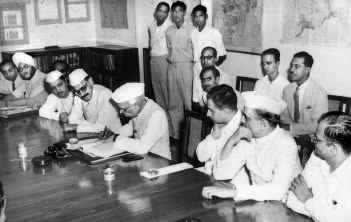
First 5 Yr Planமுதல் ஐந்தாண்டுத் திட்டம்
Prime Minister Jawaharlal Nehru presented the first five-year plan on July 9 1951. The total planned budget of Rs 2069 crore was allocated to seven broad areas, irrigation and energy, agriculture and community development and transport and communications got the highest allocation.1951 ஜூலை 9ஆம் தேதி பிரதமர் ஜவஹர்லால் நேரு முதல் ஐந்தாண்டுத் திட்டத்தை முன்வைத்தார். மொத்தம் ரூ. 2069 கோடி திட்ட நிதி ஏழு பரந்த துறைகளுக்கு ஒதுக்கப்பட்டது; நீர்ப்பாசனமும் எரிசக்தியும், வேளாண்மையும் சமூக மேம்பாடும், போக்குவரத்தும் தகவல் தொடர்பும் அதிக ஒதுக்கீட்டைப் பெற்றன.
1955ஜன. 21
1955
Towards Socialismசமதர்மத்தை நோக்கி
The Avadi Session, 1955 represented the Congress's distinct shift towards socialism. The Congress declared the socialist pattern of society to be its goal. The party resolution also stated that planning must take place with a view towards the establishment of such a society.1955 ஆவடி மாநாடு சமதர்மத்தை நோக்கிய காங்கிரசின் தெளிவான திருப்பத்தைக் குறித்தது. சமதர்ம அமைப்பு முறையிலான சமூகமே தனது இலக்கு என்று காங்கிரஸ் பிரகடனம் செய்தது. அத்தகைய சமூகத்தை உருவாக்கும் நோக்கத்துடனே திட்டமிடல் நடைபெற வேண்டும் என்றும் கட்சித் தீர்மானம் கூறியது.
1954ஏப். 29
1954
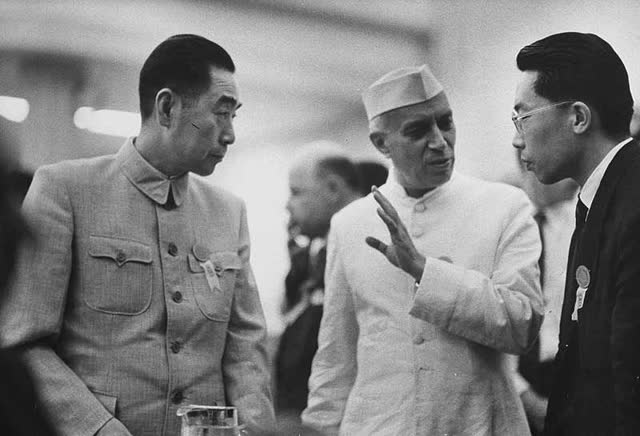
Panchsheel Agreementபஞ்சசீல ஒப்பந்தம்
The 8-year Panchsheel treaty was signed between India and China on 29 April 1954. The agreement focused on the disputed territories of Aksai Chin and South Tibet and recognised the principles of mutual respect by both countries of each others's territorial integrity and sovereignty, mutual non-aggression, mutual non-interference in each other's internal affairs and peaceful co-existence.1954 ஏப்ரல் 29ஆம் தேதி இந்தியாவுக்கும் சீனாவுக்கும் இடையே 8 ஆண்டு காலப் பஞ்சசீல ஒப்பந்தம் கையெழுத்திடப்பட்டது. அக்சாய் சின், தென் திபெத் ஆகிய தகராறுக்குரிய பிரதேசங்களை மையமாகக் கொண்ட இந்த ஒப்பந்தம், ஒன்றின் பிரதேச ஒருமைப்பாட்டையும் இறையாண்மையையும் மற்றொன்று மதிப்பது, ஒருவர் மற்றவர் மீது படையெடுக்காமை, ஒருவர் மற்றவரின் உள்நாட்டு விவகாரங்களில் தலையிடாமை, அமைதியான சகவாழ்வு ஆகிய கொள்கைகளை இரு நாடுகளும் ஏற்றுக்கொள்வதாக அறிவித்தது.
K. Sattanatha Karayalarக. சட்டநாத கரையாளர்
1953ஜன. 15
1953
Hyderabad Session, 1953ஹைதராபாத் மாநாடு, 1953
It was only five years back that the princely state of Hyderabad had been integrated into India. However, the Hyderabad session will be remembered for Pandit Nehru’s stirring address on world peace. “Peace is not merely the absence of war. It is also a state of mind,” he said.ஹைதராபாத் சமஸ்தானம் இந்தியாவுடன் இணைக்கப்பட்டு ஐந்தே ஆண்டுகள்தான் ஆகியிருந்தன. எனினும் உலக அமைதி குறித்து பண்டித நேரு ஆற்றிய உள்ளத்தைத் தொடும் உரைக்காகவே ஹைதராபாத் மாநாடு நினைவுகூரப்படும். “அமைதி என்பது போர் இல்லாத நிலை மட்டுமல்ல. அது ஒரு மனநிலையும் கூட” என்று அவர் கூறினார்.
1952மே 13
1952
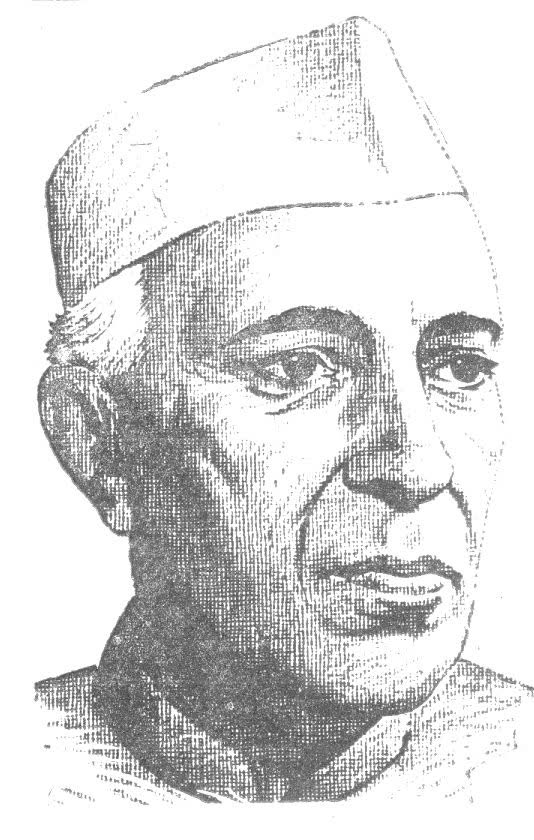
Congress Wins First Election After Independenceசுதந்திரத்திற்குப் பிந்தைய முதல் தேர்தலில் காங்கிரஸ் வெற்றி
The Congress party garnered an overwhelming majority, winning 364 out of 489 seats in India's first general election. On May 13, 1952, the first elected government of free India was formed under the newly adopted Constitution, with Pandit Jawahar Lal Nehru as the Prime Minister and 14 other members forming part of the cabinet.இந்தியாவின் முதல் பொதுத் தேர்தலில் 489 இடங்களில் 364 இடங்களைக் கைப்பற்றி காங்கிரஸ் கட்சி மிகப் பெரும்பான்மை பெற்றது. 1952 மே 13ஆம் தேதி, புதிதாக ஏற்றுக்கொள்ளப்பட்ட அரசியலமைப்பின் கீழ், பண்டித ஜவஹர்லால் நேரு பிரதமராகவும் பிற 14 உறுப்பினர்கள் அமைச்சரவையின் பகுதியாகவும் அமைந்து, சுதந்திர இந்தியாவின் முதல் தேர்ந்தெடுக்கப்பட்ட அரசு உருவாக்கப்பட்டது.

P. Subbarayanப. சுப்பராயன்
1951அக். 11
1951
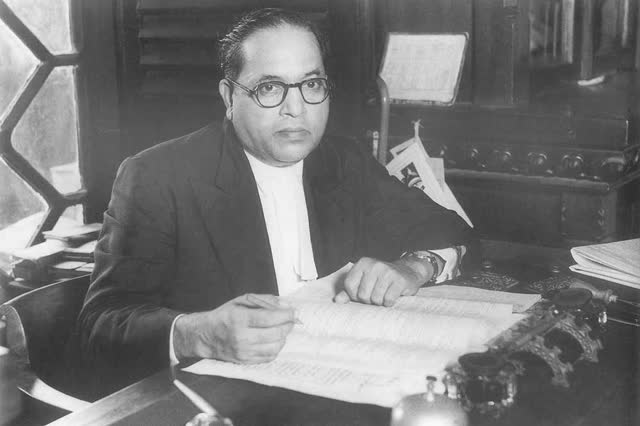
Ambedkar Resignsஅம்பேத்கர் பதவி விலகல்
On October 11, 1951, Dr B.R. Amedkar, the Law Minister until then, left office after his resignation from the Government on September 27, 1951, after the Hindu Code Bill was dropped by the Cabinet.இந்து சட்டத் தொகுப்பு மசோதாவை அமைச்சரவை கைவிட்டதைத் தொடர்ந்து, 1951 செப்டம்பர் 27ஆம் தேதி அரசில் தமது பதவியை விட்டு விலகிய, அதுவரை சட்ட அமைச்சராக இருந்த டாக்டர் பி.ஆர். அம்பேத்கர், 1951 அக்டோபர் 11ஆம் தேதி பதவியிலிருந்து விடைபெற்றார்.
1951ஆக. 18
1951
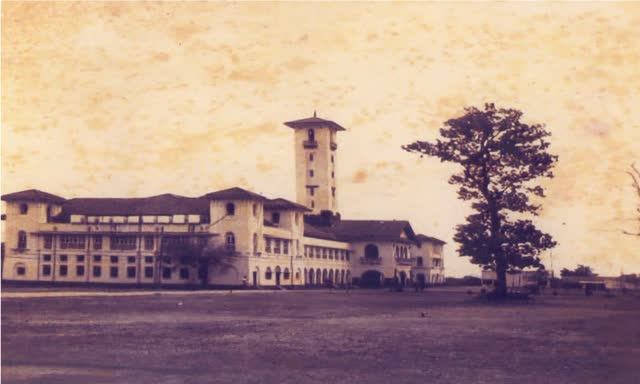
IIT KharagpurIIT கரக்பூர்
On August 18, 1950, Maulana Abul Kalam Azad, India's Education Minister, opened the first Indian Institute of Technology (IIT) at Kharagpur. Besides paving the way for many more IITs to be set up in the future, this sowed the seeds for India's future technological prowress.1950 ஆகஸ்ட் 18ஆம் தேதி இந்தியாவின் கல்வி அமைச்சர் மௌலானா அபுல் கலாம் ஆசாத் கரக்பூரில் முதல் இந்தியத் தொழில்நுட்பக் கழகத்தை (IIT) திறந்து வைத்தார். எதிர்காலத்தில் இன்னும் பல IIT-கள் அமைவதற்கு வழி வகுத்ததோடு, இந்தியாவின் எதிர்கால தொழில்நுட்பத் திறமைக்கான விதைகளையும் இது ஊன்றியது.
1950டிச. 15
1950
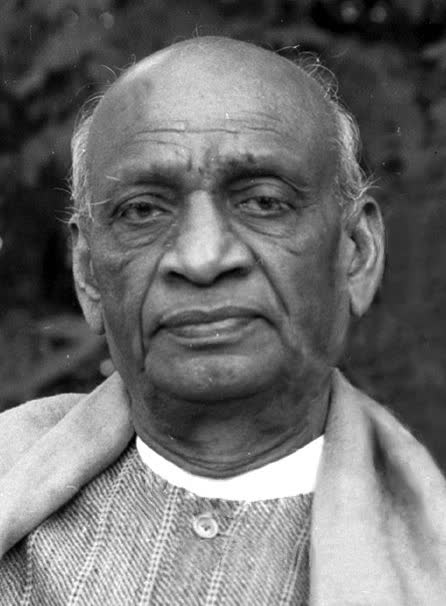
Sardar Patel passed awayசர்தார் படேல் காலமானார்
Sardar Vallabhbhai Patel, the 75 year old Bismark of India, who was one of the foremost architects of India's freedom and its consolidation, passed away.இந்தியாவின் விடுதலைக்கும் அதன் ஒருமைப்பாட்டுக்கும் முதன்மைச் சிற்பிகளில் ஒருவராக இருந்த, இந்தியாவின் பிஸ்மார்க் என அழைக்கப்பட்ட 75 வயது சர்தார் வல்லபாய் படேல் காலமானார்.
1949நவ. 26
1949
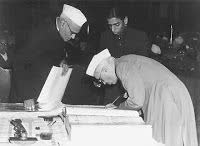
Constitution of Indiaஇந்திய அரசியலமைப்பு
The Constituent Assembly, on behalf of the people of India, adopted the Constitution of India, a document that made India into a sovereign democratic republic and shaped its future growth.இந்திய மக்களின் சார்பாக அரசியல் நிர்ணய சபை இந்திய அரசியலமைப்பை ஏற்றுக்கொண்டது; இந்தியாவை இறையாண்மை கொண்ட ஜனநாயகக் குடியரசாக ஆக்கிய, அதன் எதிர்கால வளர்ச்சியை வடிவமைத்த ஆவணம் அது.
1949ஜூலை 1
1949
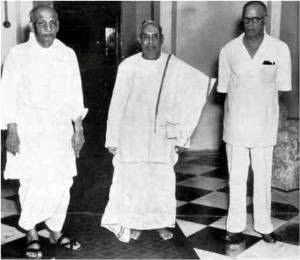
Cochin -Travancore Union Bornகொச்சி - திருவிதாங்கூர் ஒன்றியம் உருவானது
On July 1, 1949, Cochin and Travancore were merged by the Ministry of States and integrated into the Union to form the state of Travancore-Cochin or Thiru-Kochi.1949 ஜூலை 1ஆம் தேதி மாநிலங்கள் அமைச்சகத்தால் கொச்சியும் திருவிதாங்கூரும் இணைக்கப்பட்டு, திருவிதாங்கூர் - கொச்சி அல்லது திரு-கொச்சி எனும் மாநிலமாக ஒன்றியத்துடன் சேர்க்கப்பட்டன.
1949மார். 30
1949
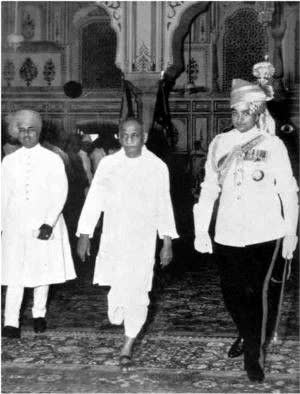
Greater Rajasthan Union Inauguratedபெரிய ராஜஸ்தான் ஒன்றியம் தொடங்கப்பட்டது
On March 30, 1949, Sardar Patel, the Deputy Prime Minister of India, inaugurated the Greated Rajasthan Union, which brought together 19 princely states, 2 chiefships and the district of Ajmer-Merwara (22 regions).1949 மார்ச் 30ஆம் தேதி இந்தியாவின் துணைப் பிரதமர் சர்தார் படேல் பெரிய ராஜஸ்தான் ஒன்றியத்தைத் தொடங்கி வைத்தார்; 19 சமஸ்தானங்கள், 2 சிற்றரசுகள், அஜ்மீர் - மேர்வாரா மாவட்டம் ஆகிய 22 பகுதிகளை அது ஒன்றிணைத்தது.
1949ஜன. 20
1949
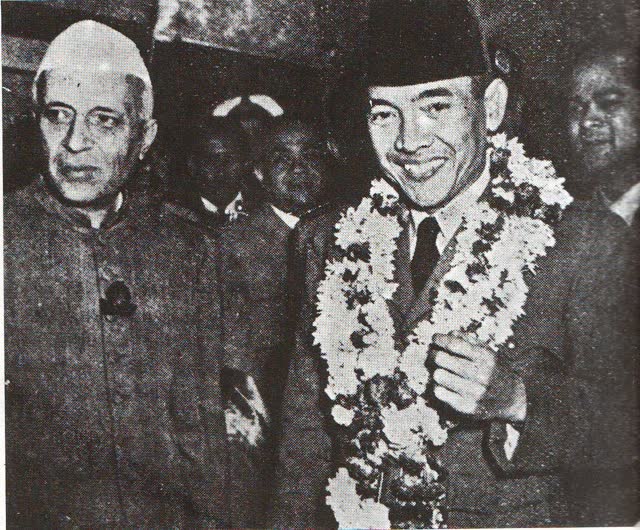
Conference Against Dutch Aggression in Indonesiaஇந்தோனேசியாவில் டச்சு ஆக்கிரமிப்புக்கு எதிரான மாநாடு
On January 20, 1949, Prime Minister, Pandit Jawahar Lal Nehru inaugurated in New Delhi a Conference of 19 nations (18 Asian countries and Australia) Against Dutch Aggression in Indonesia. His inaugural address read, "If this challenge is not met effectively, then indeed, the consequences will affect not merely Indonesia, but Asia and the entire world."1949 ஜனவரி 20ஆம் தேதி பிரதமர் பண்டித ஜவஹர்லால் நேரு, இந்தோனேசியாவில் டச்சு ஆக்கிரமிப்புக்கு எதிராக 19 நாடுகளின் — 18 ஆசிய நாடுகளும் ஆஸ்திரேலியாவும் — மாநாட்டைப் புது டெல்லியில் தொடங்கி வைத்தார். அவரது தொடக்க உரை இவ்வாறு அமைந்தது: “இந்தச் சவாலை நாம் திறம்பட எதிர்கொள்ளாவிட்டால், அதன் விளைவுகள் இந்தோனேசியாவை மட்டுமல்ல, ஆசியாவையும் உலகம் முழுவதையும் பாதிக்கும் என்பது உறுதி.”
1948டிச. 18
1948
Jaipur Sessionஜெய்ப்பூர் மாநாடு
Holding the first Congress Session after independence at Jaipur was of immense symbolic value. It represented the integration of erstwhile princely states like Jaipur into the Indian Union. The Jaipur Session saw the merger of all the political outfits in various principalities of the erstwhile principality following the Congress' agenda, with the Congress party.சுதந்திரத்திற்குப் பின் முதல் காங்கிரஸ் மாநாட்டை ஜெய்ப்பூரில் நடத்தியது மிகப் பெரிய குறியீட்டு மதிப்புடையது. ஜெய்ப்பூர் போன்ற முன்னாள் சமஸ்தானங்கள் இந்திய ஒன்றியத்தில் இணைந்ததை அது பிரதிபலித்தது. காங்கிரசின் நோக்கத்தைப் பின்பற்றி, முன்னாள் சமஸ்தானங்களின் பல்வேறு பகுதிகளில் இருந்த அரசியல் அமைப்புகள் அனைத்தும் காங்கிரஸ் கட்சியுடன் இணைந்ததை ஜெய்ப்பூர் மாநாடு கண்டது.
1948செப். 28
1948
Hyderabad Becomes Part of Indiaஹைதராபாத் இந்தியாவுடன் இணைந்தது
On September 17, 1948, the Nizam surrendered after the Indian military successfully marched into Hyderabad, the last Princely State to accede to the Indian Unionஇந்திய ஒன்றியத்தில் இணைந்த கடைசி சமஸ்தானமான ஹைதராபாத்துக்குள் இந்தியப் படை வெற்றிகரமாக நுழைந்ததைத் தொடர்ந்து, 1948 செப்டம்பர் 17ஆம் தேதி நிஜாம் சரணடைந்தார்.
1948ஜூலை 15
1948
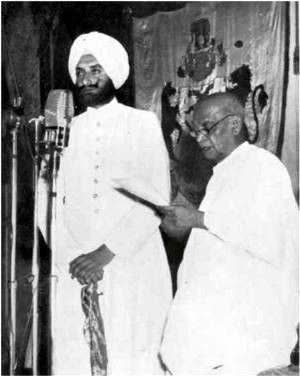
East Punjab States Union formedகிழக்குப் பஞ்சாப் சமஸ்தானங்களின் ஒன்றியம் உருவாக்கப்பட்டது
On July 15, 1948, Sardar Patel, Minister for States, inaugurated the Union of Patiala and East Punjab States, consisting of the States of Patiala, Kapurthala, Nabha, Jind, Faridkot, Malerkotla, Kalsia and Nalagarh.1948 ஜூலை 15ஆம் தேதி மாநிலங்கள் அமைச்சர் சர்தார் படேல், பாட்டியாலா, கபூர்தலா, நாபா, ஜிந்த், ஃபரீத்கோட், மலேர்கோட்லா, கல்சியா, நாலாகர் ஆகிய சமஸ்தானங்களை உள்ளடக்கிய பாட்டியாலா மற்றும் கிழக்குப் பஞ்சாப் சமஸ்தானங்களின் ஒன்றியத்தைத் தொடங்கி வைத்தார்.
1948ஜூலை 7
1948
Damodar Valley Corp Createdதாமோதர் பள்ளத்தாக்கு கழகம் உருவாக்கப்பட்டது
The Damodar Valley Corporation was created on 7 July 1948 as the first multipurpose river valley project of independent India. The project has been transmitting power since 1953 and has contributed greatly to the development of Eastern India.சுதந்திர இந்தியாவின் முதல் பல்நோக்கு ஆற்றுப் பள்ளத்தாக்குத் திட்டமாக 1948 ஜூலை 7ஆம் தேதி தாமோதர் பள்ளத்தாக்கு கழகம் உருவாக்கப்பட்டது. 1953ஆம் ஆண்டிலிருந்தே இத்திட்டம் மின்சாரத்தை வழங்கி வருகிறது; கிழக்கு இந்தியாவின் வளர்ச்சிக்கு அது பெரிதும் பங்களித்திருக்கிறது.
1948மார். 15
1948
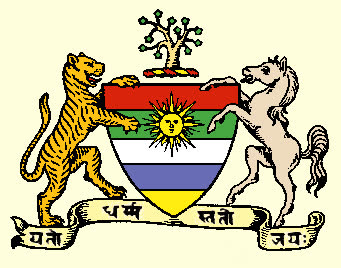
Matsya Union Formedமத்ஸ்ய ஒன்றியம் உருவாக்கப்பட்டது
On 17 March 1948, the Matsya Union came into being with the integration of the states of Alwar, Bharatpur, Dholpur and Karauli.1948 மார்ச் 17ஆம் தேதி அல்வார், பரத்பூர், தோல்பூர், கரௌலி ஆகிய சமஸ்தானங்கள் இணைக்கப்பட்டு மத்ஸ்ய ஒன்றியம் உருவானது.
1948பிப். 20
1948
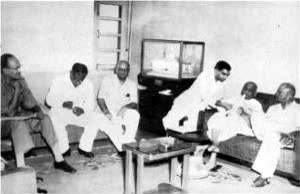
Deccan States Merge with Bombayதக்காண சமஸ்தானங்கள் பாம்பேயுடன் இணைந்தன
On February 20, the rulers of 15 Deccan states agreed to integrate their administration with that of the Province of Bombay and to confer full and exclusive powers and jurisdiction in relation to their states to the Government of India.பிப்ரவரி 20ஆம் தேதி 15 தக்காண சமஸ்தானங்களின் மன்னர்கள், தமது நிர்வாகத்தை பாம்பே மாகாண நிர்வாகத்துடன் இணைப்பதற்கும், தமது சமஸ்தானங்கள் தொடர்பான முழு, தனியுரிமையான அதிகாரங்களையும் ஆட்சி எல்லையையும் இந்திய அரசுக்கு வழங்குவதற்கும் ஒப்புக்கொண்டனர்.
1948ஜன. 30
1948
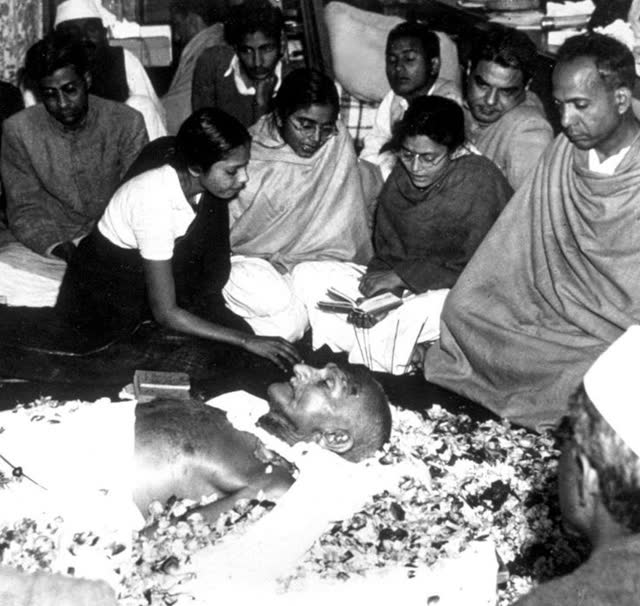
Martyrdom of Mahatma Gandhiமகாத்மா காந்தியின் வீரமரணம்
Mahatma Gandhi was assasinated by a religious fanatic Nathuram Godse on January 30, 1948 when he was on the way to a prayer meeting. Prime Minister Jawahar Lal Nehru stated: "The Light has gone out from our lives" as the nation plunged into mourning.1948 ஜனவரி 30ஆம் தேதி பிரார்த்தனைக் கூட்டத்திற்குச் செல்லும் வழியில் மகாத்மா காந்தி, மத வெறியன் நாதுராம் கோட்சேவால் கொல்லப்பட்டார். நாடு துயரத்தில் மூழ்கிய அந்த வேளையில் பிரதமர் ஜவஹர்லால் நேரு கூறினார்: “நம் வாழ்விலிருந்து ஒளி அணைந்துவிட்டது.”
1948ஜன. 13
1948
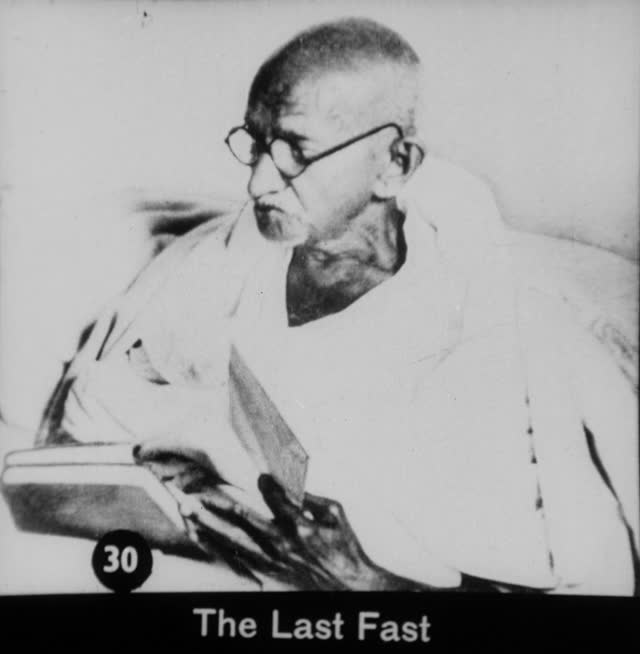
Gandhiji's Last Fastகாந்தியடிகளின் இறுதி உண்ணாவிரதம்
Upset at the reports of communal violence and disharmony that he had been hearing since his arrival in Delhi a month after independence, Gandhiji began fasting for religious unity on January 13, 1948. He ended his fast on January 19, when a Peace Committee of 180 members from Hindu, Muslim, Sikh and other religious communities with Dr. Rajendra Prasad as its convenor, signed a pledge assuring him that such incidents would not happen again.சுதந்திரம் அடைந்த ஒரு மாதத்திற்குப் பின் டெல்லிக்கு வந்ததிலிருந்து அவர் கேட்டுவந்த வகுப்புவாத வன்முறை, ஒற்றுமையின்மை பற்றிய செய்திகளால் மனம் வருந்திய காந்தியடிகள், 1948 ஜனவரி 13ஆம் தேதி மத ஒற்றுமைக்காக உண்ணாவிரதத்தைத் தொடங்கினார். இந்து, முஸ்லிம், சீக்கியர் மற்றும் பிற மதப் பிரிவுகளைச் சேர்ந்த 180 உறுப்பினர்களைக் கொண்ட அமைதிக் குழு, டாக்டர் ராஜேந்திர பிரசாத்தை ஒருங்கிணைப்பாளராகக் கொண்டு, இதுபோன்ற நிகழ்வுகள் மீண்டும் நடக்காது என்று உறுதியளிக்கும் உறுதிமொழியில் கையெழுத்திட்ட ஜனவரி 19ஆம் தேதி அவர் தமது உண்ணாவிரதத்தை நிறைவு செய்தார்.
1947டிச. 16
1947
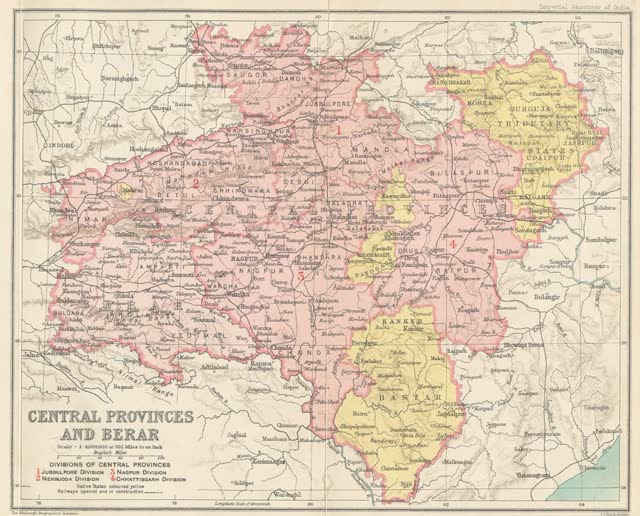
11 Chattisgarh states Join C.P. and Berar11 சத்தீஸ்கர் சமஸ்தானங்கள் மத்திய மாகாணங்கள் மற்றும் பேரார் மாகாணத்துடன் இணைந்தன
On December 16, 1947, 11 Chattisgarh states agreed to join the Central Provinces (C.P.) and Berar with effect from January 1, 1948.1947 டிசம்பர் 16ஆம் தேதி, 1948 ஜனவரி 1ஆம் தேதி முதல் மத்திய மாகாணங்கள் மற்றும் பேரார் மாகாணத்துடன் இணைவதற்கு 11 சத்தீஸ்கர் சமஸ்தானங்கள் ஒப்புக்கொண்டன.
1947டிச. 15
1947
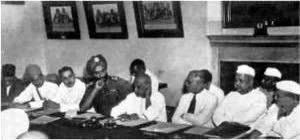
15 States Join Orrisa15 சமஸ்தானங்கள் ஒரிசாவுடன் இணைந்தன
On December 15, 1947, as result of the efforts of the States Ministry headed by Sardar Patel and assisted by V.P. Menon, 12 out of 15 class B and C class states agreed to sign an agreement with the Government of India whereby the administration of the states are to be taken over by the Government of Orissa. The merger of all 25 states except 1 became effective on January 1, 1948. On the next day, 10 A-class states also agreed to the same.1947 டிசம்பர் 15ஆம் தேதி, சர்தார் படேல் தலைமையிலான, வி.பி. மேனனின் உதவியுடன் செயல்பட்ட மாநிலங்கள் அமைச்சகத்தின் முயற்சிகளின் விளைவாக, பி மற்றும் சி வகைச் சமஸ்தானங்கள் 15-இல் 12, தமது நிர்வாகத்தை ஒரிசா அரசு ஏற்றுக்கொள்வதற்கான ஒப்பந்தத்தில் இந்திய அரசுடன் கையெழுத்திட ஒப்புக்கொண்டன. ஒன்றைத் தவிர 25 சமஸ்தானங்களின் இணைப்பும் 1948 ஜனவரி 1ஆம் தேதி நடைமுறைக்கு வந்தது. மறுநாள் 10 ஏ வகைச் சமஸ்தானங்களும் அதற்கு ஒப்புக்கொண்டன.
1947நவ. 9
1947
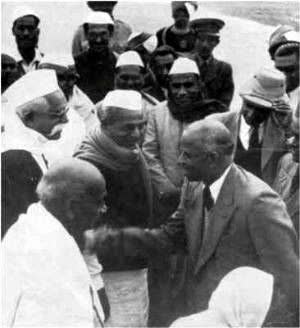
Junagadh Becomes Part of Indiaஜுனாகத் இந்தியாவுடன் இணைந்தது
After the ruler, dewan and the executive council of Junagadh unanimously gave their approval and consent to the Instrument of Accession, the Indian Union took over the administration of the state. A small Indian military was despatched to Junagadh, which was given a resounding welcome by the local people.ஜுனாகத்தின் மன்னர், திவான், செயற்குழு ஆகியோர் ஒருமனதாக இணைப்பு ஆவணத்திற்குத் தமது ஒப்புதலையும் சம்மதத்தையும் வழங்கிய பின், அந்தச் சமஸ்தானத்தின் நிர்வாகத்தை இந்திய ஒன்றியம் ஏற்றுக்கொண்டது. ஜுனாகத்திற்கு ஒரு சிறிய இந்தியப் படை அணி அனுப்பப்பட்டது; உள்ளூர் மக்கள் அதற்கு உரத்த வரவேற்பு அளித்தனர்.
1947அக். 26
1947
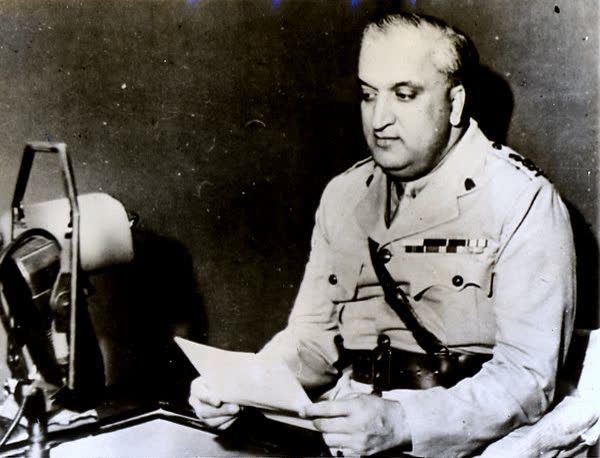
J&K Accedes to the Indian Unionஜம்மு காஷ்மீர் இந்திய ஒன்றியத்தில் இணைந்தது
On October 26, 1947, Maharajah Hari Singh of Jammu and Kashmir, executed the Instrument of Accession to accede to the Dominion of India.1947 அக்டோபர் 26ஆம் தேதி ஜம்மு காஷ்மீரின் மகாராஜா ஹரி சிங், இந்திய டொமினியனுடன் இணைவதற்கான இணைப்பு ஆவணத்தை நிறைவேற்றினார்.
1947ஆக. 29
1947
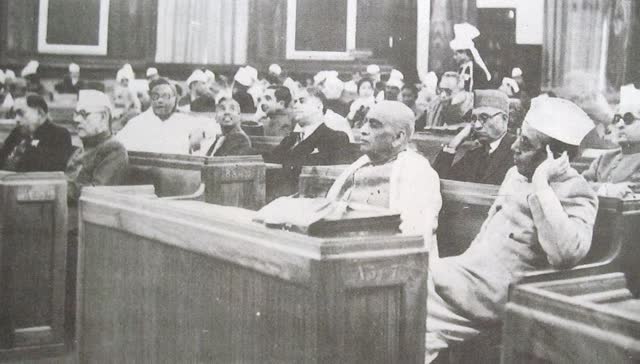
Drafting Committee of Constituent Assemblyஅரசியல் நிர்ணய சபையின் வரைவுக் குழு
On August 29, 1947, the Constituent Assembly constituted the Drafting Committee to formulate the provisions of a Constitution for India, with Dr. B.R. Ambedkar as its chairman.1947 ஆகஸ்ட் 29ஆம் தேதி அரசியல் நிர்ணய சபை, இந்தியாவுக்கான அரசியலமைப்பின் விதிகளை வடிவமைப்பதற்காக டாக்டர் பி.ஆர். அம்பேத்கரைத் தலைவராகக் கொண்ட வரைவுக் குழுவை அமைத்தது.
1947ஆக. 14
1947
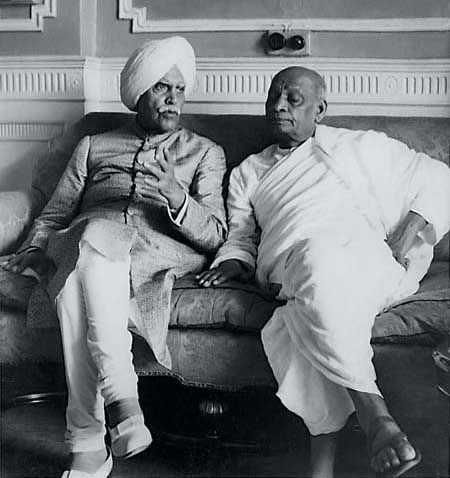
Princely States join Indiaசமஸ்தானங்கள் இந்தியாவுடன் இணைந்தன
All but three of the 565 Princely States signed Instruments of Accession and Standstill agreements with the forthcoming Indian Union by August 14 1947. The three states which hadn't signed the Instruments of Accession by then were Junagadh, Hyderabad and Kashmir.565 சமஸ்தானங்களில் மூன்றைத் தவிர அனைத்தும் 1947 ஆகஸ்ட் 14ஆம் தேதிக்குள், உருவாகவிருந்த இந்திய ஒன்றியத்துடன் இணைப்பு ஆவணங்களிலும் நிலைநிறுத்த ஒப்பந்தங்களிலும் கையெழுத்திட்டன. அதுவரை இணைப்பு ஆவணங்களில் கையெழுத்திடாத மூன்று சமஸ்தானங்கள் ஜுனாகத், ஹைதராபாத், காஷ்மீர் ஆகியவை.
1947ஜூலை 18
1947
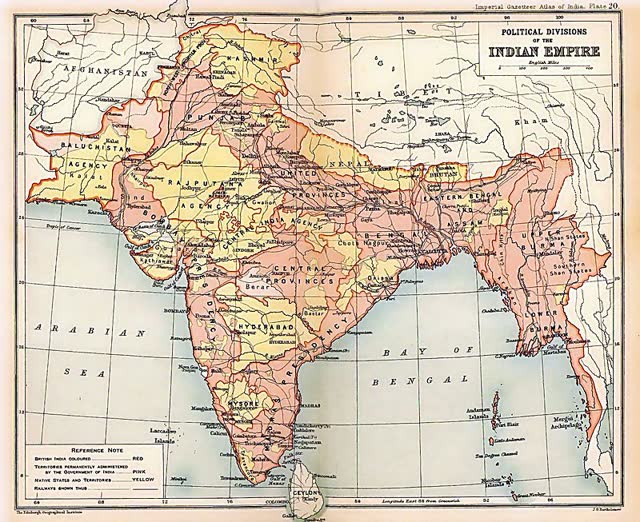
Indian Independence Act, 1947இந்திய சுதந்திரச் சட்டம், 1947
On July 18, 1947, the Indian Independence Act, 1947 was passed by the British for partition and transfer of powers on the lines of the announcement made by Lord Mountbatten in June 19471947 ஜூன் மாதம் மௌண்ட்பேட்டன் பிரபு அறிவித்ததின் அடிப்படையில் பிரிவினைக்கும் அதிகார மாற்றத்திற்கும் வழிவகுக்கும் இந்திய சுதந்திரச் சட்டம், 1947 ஜூலை 18ஆம் தேதி பிரிட்டிஷாரால் நிறைவேற்றப்பட்டது.
1947ஜூலை 5
1947
Inviting Princely Statesசமஸ்தானங்களுக்கு அழைப்பு
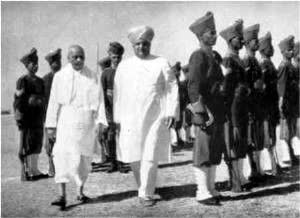
On July 5, 1947, Sardar Patel invited Princely States to join the forthcoming Indian Union, by way of transferring their powers over Defence, Foreign Affairs and Communications in return for privy purses to the princes (as the scheme of the independence outlined by Lord Mountbatten left the Princely States free from having to join either India or Pakistan)1947 ஜூலை 5ஆம் தேதி சர்தார் படேல், பாதுகாப்பு, வெளியுறவு, தகவல் தொடர்பு ஆகிய துறைகள் மீதான தமது அதிகாரங்களை ஒப்படைப்பதற்குப் பதிலாக மன்னர்களுக்குச் சிறப்புப் படிகள் வழங்கப்படும் என்ற முறையில், உருவாகவிருந்த இந்திய ஒன்றியத்தில் இணையுமாறு சமஸ்தானங்களை அழைத்தார். (மௌண்ட்பேட்டன் பிரபு வகுத்த சுதந்திரத் திட்டம், இந்தியாவிலோ பாகிஸ்தானிலோ இணைய வேண்டிய கட்டாயத்திலிருந்து சமஸ்தானங்களை விடுவித்திருந்தது.)
1947ஜூன் 3
1947
Decision on Partitioning Indiaஇந்தியப் பிரிவினை குறித்த முடிவு
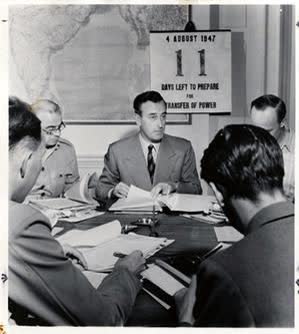
June 3, 1947, Lord Mountbatten announced his plan to partition India to resolve the deadlock created by the refusal of the Muslim League to join the Constituent Assembly framed to form the constitution of India.இந்திய அரசியலமைப்பை உருவாக்கும் பொருட்டு அமைக்கப்பட்ட அரசியல் நிர்ணய சபையில் இணைய முஸ்லிம் லீக் மறுத்ததால் ஏற்பட்ட முட்டுக்கட்டையைத் தீர்க்கும் நோக்கில், 1947 ஜூன் 3ஆம் தேதி இந்தியாவைப் பிரிக்கும் தமது திட்டத்தை மௌண்ட்பேட்டன் பிரபு அறிவித்தார்.
1947மார். 23
1947
Asian Relations Conferenceஆசிய உறவுகள் மாநாடு
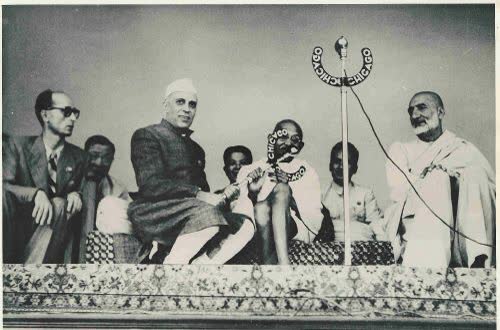
On March 23, 1947, Nehru hosted the Asian Relations Conference, chaired by Sarojini Naidu, to bring together the leading men and women of Asia on a common platform to study the problems of common concern to the people of the continent, to focus attention on social, economic and cultural problems of the different countries of Asia, and to foster mutual contact and understanding.1947 மார்ச் 23ஆம் தேதி நேரு ஆசிய உறவுகள் மாநாட்டை நடத்தினார்; சரோஜினி நாயுடு அதற்குத் தலைமை தாங்கினார். கண்டத்தின் மக்களுக்குப் பொதுவான பிரச்சினைகளை ஆய்வு செய்ய ஆசியாவின் முன்னணி ஆடவர், மகளிரை ஒரு பொது மேடையில் ஒன்றிணைப்பதும், ஆசியாவின் வெவ்வேறு நாடுகளின் சமூக, பொருளாதார, பண்பாட்டுப் பிரச்சினைகள் மீது கவனத்தைக் குவிப்பதும், பரஸ்பர தொடர்பையும் புரிந்துணர்வையும் வளர்ப்பதும் அதன் நோக்கங்களாக இருந்தன.
1946டிச. 9
1946
Constituent Assemblyஅரசியல் நிர்ணய சபை
The elections to the Constituent Assembly were held in July-August 1946. The first sitting of the assembly, chaired by Dr. Sachidananda Sinha, was held on December 9, 1946. However, members belonging to the Muslim League boycotted the meeting, as they were adamant on the creation of Pakistan.அரசியல் நிர்ணய சபைக்கான தேர்தல்கள் 1946 ஜூலை - ஆகஸ்ட்டில் நடைபெற்றன. டாக்டர் சச்சிதானந்த சின்ஹா தலைமையில் சபையின் முதல் அமர்வு 1946 டிசம்பர் 9ஆம் தேதி நடைபெற்றது. எனினும் பாகிஸ்தான் உருவாக்கத்தில் பிடிவாதமாக இருந்த முஸ்லிம் லீக் உறுப்பினர்கள் இக்கூட்டத்தைப் புறக்கணித்தனர்.
1946நவ. 6
1946
Peace Mission in Bengalவங்காளத்தில் அமைதிப் பயணம்
On November 6, 1946 Gandhiji embarked upon his peace mission in Bengal to stop communal violence. By the time he completed the mission on March 2, 1947, he had covered 49 villages across the province that had been badly hit by communal strife.1946 நவம்பர் 6ஆம் தேதி வகுப்புவாத வன்முறையை நிறுத்தும் நோக்கில் காந்தியடிகள் வங்காளத்தில் தமது அமைதிப் பயணத்தைத் தொடங்கினார். 1947 மார்ச் 2ஆம் தேதி அப்பயணத்தை அவர் நிறைவு செய்யும்போது, வகுப்புவாத மோதலால் கடுமையாகப் பாதிக்கப்பட்டிருந்த மாகாணத்தின் 49 கிராமங்களை அவர் கடந்திருந்தார்.
1946செப். 2
1946
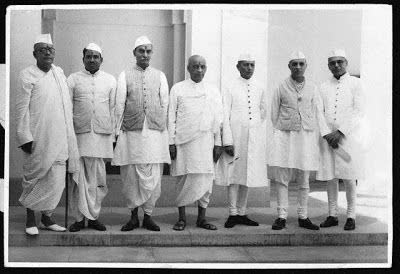
Caretaker Govt constituedஇடைக்கால அரசு அமைக்கப்பட்டது
After being invited by Lord Wavell on August 12, 1946, a caretaker government was formed on September 2 with Nehru as Vice-President of the Viceroy's Executive Council. The Muslim League was not part of the caretaker government as it withdrew its acceptance of the Cabinet Mission Plan.1946 ஆகஸ்ட் 12ஆம் தேதி வேவல் பிரபுவின் அழைப்பைத் தொடர்ந்து, செப்டம்பர் 2ஆம் தேதி இடைக்கால அரசு அமைக்கப்பட்டது; வைஸ்ராயின் செயற்குழுவின் துணைத் தலைவராக நேரு இருந்தார். அமைச்சரவைத் தூதுக் குழுவின் திட்டத்திற்கு அளித்த ஒப்புதலை முஸ்லிம் லீக் திரும்பப் பெற்றதால், அது இடைக்கால அரசின் பகுதியாக இல்லை.
1946ஆக. 16
1946
Direct Action Dayநேரடி நடவடிக்கை நாள்
The Muslim League called for observance of Direct Action Day on August 16, 1946 for creation of a separate Pakistan. This triggered communal violence in Calcutta resulting in the death or injury of around 20,000 persons.தனி பாகிஸ்தானை உருவாக்க வேண்டும் என்று 1946 ஆகஸ்ட் 16ஆம் தேதி நேரடி நடவடிக்கை நாளைக் கடைப்பிடிக்க முஸ்லிம் லீக் அழைப்பு விடுத்தது. இது கல்கத்தாவில் வகுப்புவாத வன்முறையைத் தூண்டியது; ஏறக்குறைய 20,000 பேர் இறந்தனர் அல்லது காயமடைந்தனர்.
1946ஜூலை 7
1946
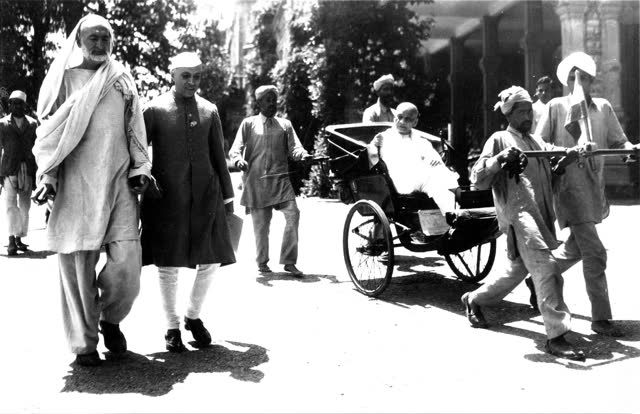
Congress Accepts Cabinet Missionகாங்கிரஸ் அமைச்சரவைத் தூதுக் குழுவின் திட்டத்தை ஏற்றது
On July 7, the Congress agreed to the May 16 plan. On July 10, 1946, Nehru stated that the Congress would enter the Constituent Assembly completely unfettered by agreements and free to meet all situations as they arise' On July 29, 1946, the Muslim League, which had earlier approved the Mission's proposals, withdrew its support to the Plan and demanded the creation of Pakistan.ஜூலை 7ஆம் தேதி மே 16 திட்டத்திற்குக் காங்கிரஸ் ஒப்புக்கொண்டது. 1946 ஜூலை 10ஆம் தேதி நேரு, “எந்த ஒப்பந்தத்தாலும் கட்டுப்படாமல், எழும் அனைத்து நிலைகளையும் எதிர்கொள்ளும் சுதந்திரத்துடன் காங்கிரஸ் அரசியல் நிர்ணய சபையில் நுழையும்” என்று கூறினார். தூதுக் குழுவின் திட்டங்களை முன்பு ஏற்றுக்கொண்டிருந்த முஸ்லிம் லீக், 1946 ஜூலை 29ஆம் தேதி அத்திட்டத்திற்கான தனது ஆதரவைத் திரும்பப் பெற்று, பாகிஸ்தானை உருவாக்கக் கோரியது.
1946ஏப். 1
1946
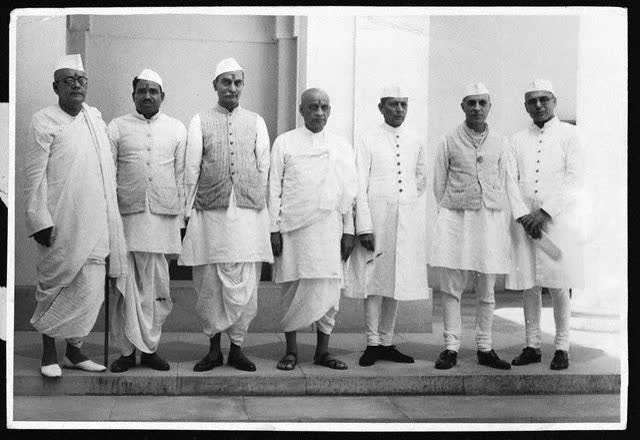
Second Provincial Governmentஇரண்டாவது மாகாண அரசு
New governments were formed at the provinces based on the election held in March, 1946. The Congress won absolute majority in Bombay, Madras, United Provinces, Bihar, Orissa and Central Provinces. In Punjab, a Coalition government comprising the Congress, Akalis and the Unionist Party was formed. The Muslim League secured a majority in Bengal and Sindh.1946 மார்ச் மாதம் நடைபெற்ற தேர்தலின் அடிப்படையில் மாகாணங்களில் புதிய அரசுகள் அமைக்கப்பட்டன. பாம்பே, மதராஸ், ஐக்கிய மாகாணங்கள், பீகார், ஒரிசா, மத்திய மாகாணங்கள் ஆகியவற்றில் காங்கிரஸ் தனிப்பெரும்பான்மை பெற்றது. பஞ்சாபில் காங்கிரஸ், அகாலிகள், யூனியனிஸ்ட் கட்சி ஆகியவை அடங்கிய கூட்டணி அரசு அமைக்கப்பட்டது. வங்காளத்திலும் சிந்துவிலும் முஸ்லிம் லீக் பெரும்பான்மை பெற்றது.
1946மார். 24
1946
British Cabinet Missionபிரிட்டிஷ் அமைச்சரவைத் தூதுக் குழு
The British Cabinet Mission's May 16 plan recommended election of a constituent assembly and creation of a loose three-tier confederation of united India, with separate grouping of majority Hindu and Muslim provinces and with equal representation of such Hindu and Muslim groups at the Union level. Unable to create a consensus between the League and the Congress, the Cabinet Mission left India on June 29, 1946.பிரிட்டிஷ் அமைச்சரவைத் தூதுக் குழுவின் மே 16 திட்டம், ஓர் அரசியல் நிர்ணய சபைக்குத் தேர்தல் நடத்துவதையும், இந்து பெரும்பான்மை மாகாணங்களையும் முஸ்லிம் பெரும்பான்மை மாகாணங்களையும் தனித்தனிக் குழுக்களாக்கி, ஒன்றிய அளவில் அத்தகைய இந்து, முஸ்லிம் குழுக்களுக்குச் சமப் பிரதிநிதித்துவம் அளித்து, ஒன்றுபட்ட இந்தியாவை ஒரு தளர்வான மூன்றடுக்குக் கூட்டமைப்பாக உருவாக்குவதையும் பரிந்துரைத்தது. லீக்கிற்கும் காங்கிரசுக்கும் இடையே ஒருமித்த கருத்தை உருவாக்க இயலாமல், அமைச்சரவைத் தூதுக் குழு 1946 ஜூன் 29ஆம் தேதி இந்தியாவை விட்டுச் சென்றது.
1945ஆக. 18
1945
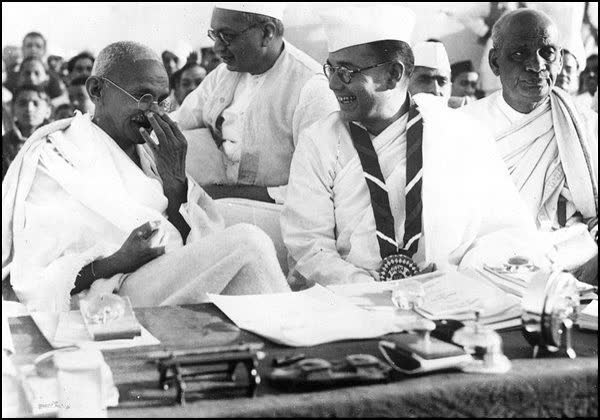
Netaji Subhas Bose's Reported Deathநேதாஜி சுபாஷ் போஸின் மறைவு செய்தி
On August 18, 1945, a Japanese news agency reported that Netaji Subhas Chandra Bose died in a plane crash in Taiwan.1945 ஆகஸ்ட் 18ஆம் தேதி, தைவானில் ஒரு விமான விபத்தில் நேதாஜி சுபாஷ் சந்திர போஸ் காலமானார் என்று ஒரு ஜப்பானிய செய்தி நிறுவனம் தெரிவித்தது.
1945ஜூன் 25
1945
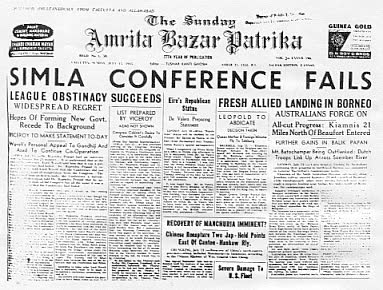
Shimla Conferenceசிம்லா மாநாடு
Starting June 25, 1945, Lord Wavell negotiated with Indian leaders for Indian support to fight to the II World War. In return, he proposed to set up an interim government comprising Indians after the war, which would also draft a new constitution. The negotiations, which went on till July 14, 1945, failed to bring consensus between the Congress and Muslim League1945 ஜூன் 25ஆம் தேதி தொடங்கி, இரண்டாம் உலகப் போரில் ஈடுபடுவதற்கு இந்தியரின் ஆதரவைப் பெற வேவல் பிரபு இந்தியத் தலைவர்களுடன் பேச்சுவார்த்தை நடத்தினார். அதற்குப் பதிலாக, போருக்குப் பின் இந்தியர்களைக் கொண்ட ஓர் இடைக்கால அரசை அமைப்பதாகவும், அது ஒரு புதிய அரசியலமைப்பையும் வரையும் என்றும் அவர் முன்மொழிந்தார். 1945 ஜூலை 14ஆம் தேதி வரை நீடித்த இந்தப் பேச்சுவார்த்தைகள், காங்கிரசுக்கும் முஸ்லிம் லீக்கிற்கும் இடையே ஒருமித்த கருத்தைக் கொண்டுவரத் தவறின.
1943அக். 21
1943
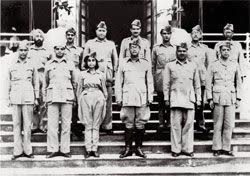
Provisional Govt of Free Indiaசுதந்திர இந்தியாவின் தற்காலிக அரசு
On October 21, 1943, Subhas Chandra Bose founded the Provisional Government of free India. It was recognised by nine world powers including Germany, Italy, Japan and Myanmar. It declared war against Britain and the U.S.A.1943 அக்டோபர் 21ஆம் தேதி சுபாஷ் சந்திர போஸ் சுதந்திர இந்தியாவின் தற்காலிக அரசை நிறுவினார். ஜெர்மனி, இத்தாலி, ஜப்பான், மியான்மர் உள்பட ஒன்பது உலக வல்லரசுகள் அதை அங்கீகரித்தன. பிரிட்டனுக்கும் அமெரிக்காவுக்கும் எதிராக அது போரை அறிவித்தது.
1942செப். 1
1942
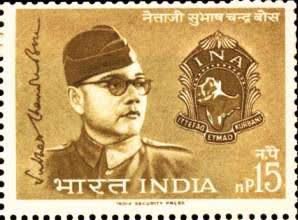
Indian National Army (INA)இந்திய தேசிய இராணுவம் (INA)
February 12 1942, the Indian National Army was formed in South-East Asia to secure Indian independence with Japanese assistance. Led initially by Mohan Singh for a very brief period, Subhas Chandra Bose became the Commander-in-Chief in June 1943.1942 பிப்ரவரி 12ஆம் தேதி, ஜப்பானின் உதவியுடன் இந்திய சுதந்திரத்தைப் பெறும் நோக்கில் தென்கிழக்கு ஆசியாவில் இந்திய தேசிய இராணுவம் உருவாக்கப்பட்டது. தொடக்கத்தில் மிகக் குறுகிய காலம் மோகன் சிங் தலைமையில் இருந்த அது, 1943 ஜூன் மாதம் சுபாஷ் சந்திர போஸ் தலைமைத் தளபதியானதைக் கண்டது.
1942ஆக. 9
1942
Quit India Movementவெள்ளையனே வெளியேறு இயக்கம்
The Quit India movement marked the begining of the last phase of Brtish rule in India. Starting from the August Kranti Maidan, the movement spread like wild-fire through the country, culminating with India's Independence in 1947.இந்தியாவில் பிரிட்டிஷ் ஆட்சியின் இறுதிக் கட்டத்தின் தொடக்கமாக வெள்ளையனே வெளியேறு இயக்கம் அமைந்தது. ஆகஸ்ட் கிராந்தி மைதானத்திலிருந்து தொடங்கிய இந்த இயக்கம் காட்டுத் தீ போல் நாடு முழுவதும் பரவி, 1947ஆம் ஆண்டு இந்திய சுதந்திரத்தில் உச்சம் கண்டது.
1942மார். 22
1942
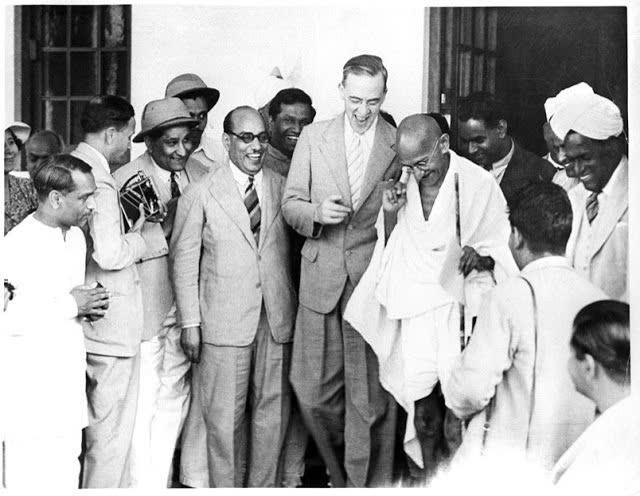
Failure of the Cripps Missionகிரிப்ஸ் தூதுக் குழுவின் தோல்வி
From March 22, 1942, Sir Stafford Cripps, carried out negotiations with the Congress seeking support from Indians for Britain in World War II. The Congress sought immediate and complete transfer of power. The negotiations, which came to an end on April 11, 1942, failed as the British did not agree to the demand.1942 மார்ச் 22ஆம் தேதி முதல், இரண்டாம் உலகப் போரில் பிரிட்டனுக்கு இந்தியரின் ஆதரவைப் பெறும் நோக்கில் சர் ஸ்டாஃபோர்ட் கிரிப்ஸ் காங்கிரசுடன் பேச்சுவார்த்தை நடத்தினார். அதிகாரத்தை உடனடியாகவும் முழுமையாகவும் ஒப்படைக்க வேண்டும் என்று காங்கிரஸ் கோரியது. இந்தக் கோரிக்கையை பிரிட்டிஷார் ஏற்காததால், 1942 ஏப்ரல் 11ஆம் தேதி முடிவுக்கு வந்த அப்பேச்சுவார்த்தைகள் தோல்வியில் முடிந்தன.
1940அக். 15
1940
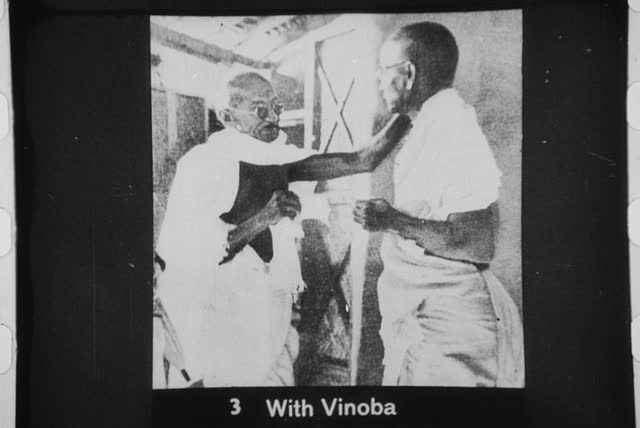
Individual Civil Disobedienceதனிநபர் சட்ட மறுப்பு
October 17 1940, Gandiji launched the individual civil disobedience movement (as distinguished from the mass civil disobedience movement) with Vinoba Bhave as the first individual satyagrahi and Nehru, the second.1940 அக்டோபர் 17ஆம் தேதி காந்தியடிகள் — வெகுஜன சட்ட மறுப்பு இயக்கத்திலிருந்து வேறுபட்ட — தனிநபர் சட்ட மறுப்பு இயக்கத்தைத் தொடங்கினார்; வினோபா பாவே முதல் தனிநபர் சத்தியாகிரகியாகவும் நேரு இரண்டாமவராகவும் இருந்தனர்.
1940மார். 19
1940
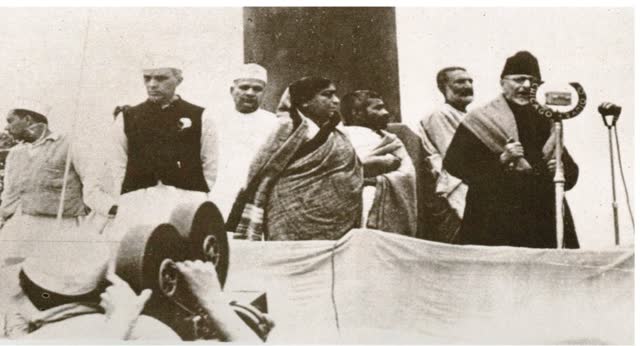
Ramgarh Sessionராம்கர் மாநாடு
The Ramgarh Session was taken up entirely with the crisis brought about by the war and passed only one lengthy resolution on the issue. The Congress protested against the declaration of India as a belligerent country without any reference to the people and stated that the British government was carrying on the war fundamentally for imperialist ends. The party also declared that nothing short of complete independence is acceptable.ராம்கர் மாநாடு முழுவதும் போரால் ஏற்பட்ட நெருக்கடியிலேயே கழிந்தது; அப்பிரச்சினை குறித்து ஒரே ஒரு நீண்ட தீர்மானத்தை மட்டுமே அது நிறைவேற்றியது. மக்களைக் கலந்தாலோசிக்காமல் இந்தியாவைப் போர் தொடுக்கும் நாடாக அறிவித்ததை காங்கிரஸ் எதிர்த்தது; பிரிட்டிஷ் அரசு அடிப்படையில் ஏகாதிபத்திய நோக்கங்களுக்காகவே போரை நடத்துகிறது என்றும் தெரிவித்தது. முழுமையான சுதந்திரத்திற்குக் குறைந்த எதுவும் ஏற்புடையது அல்ல என்றும் கட்சி பிரகடனம் செய்தது.

K. Kamarajக. காமராஜ்
1939அக். 22
1939
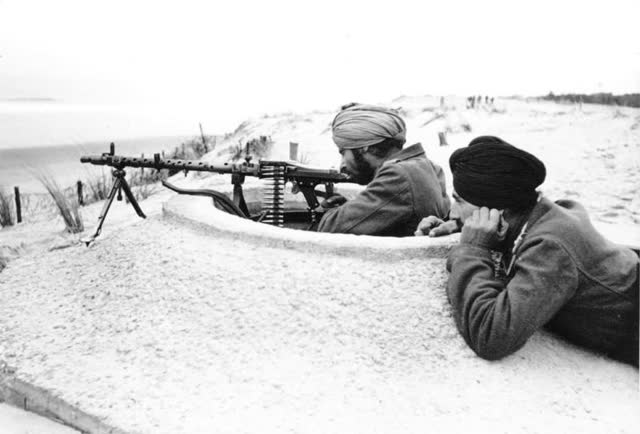
World War IIஇரண்டாம் உலகப் போர்
Congress ministers resigned protesting Governor-General's unilateral declaration of India's participation in World War II, coupled with his non-acceptance of the Congress' pre-conditions for co-operation which included an Indian national government at the centre and a commitment to India's complete independence after the war.இரண்டாம் உலகப் போரில் இந்தியா பங்கேற்பதை ஆளுநர் தலைவர் ஒருதலைப்பட்சமாக அறிவித்ததையும், ஒத்துழைப்புக்கு காங்கிரஸ் வைத்த முன்நிபந்தனைகளை — மையத்தில் ஒரு இந்திய தேசிய அரசு, போருக்குப் பின் இந்தியாவின் முழுமையான சுதந்திரத்திற்கான உறுதிமொழி — அவர் ஏற்க மறுத்ததையும் எதிர்த்து காங்கிரஸ் அமைச்சர்கள் பதவி விலகினர்.
1939செப். 3
1939
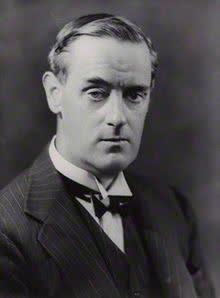
Proclamation of Emergencyநெருக்கடி நிலை பிரகடனம்
Governor-General Lord Linlithgow made a Proclamation of Emergency in India due to commencement of the Second World War, thereby assuming control over provincial governmentsஇரண்டாம் உலகப் போர் தொடங்கியதன் காரணமாக ஆளுநர் தலைவர் லின்லித்கோ பிரபு இந்தியாவில் நெருக்கடி நிலையைப் பிரகடனம் செய்து, மாகாண அரசுகளின் மீதான கட்டுப்பாட்டைத் தமது கைக்கு எடுத்துக்கொண்டார்.
1939மார். 10
1939
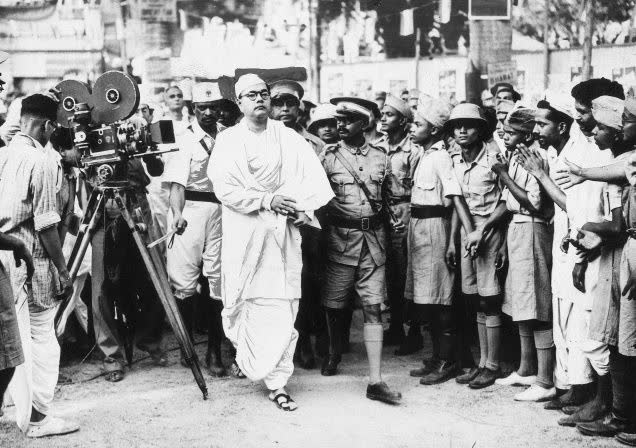
Netaji resignsநேதாஜி பதவி விலகல்
The Congress met at Tripuri under special circumstances as president Subhas Chandra Bose was very ill and Gandhiji was fasting in Rajkot. As Bose was too ill to preside over some sittings, Maulana Azad conducted proceedings on his behalf. However, differences cropped up between Bose and a section of the Working Committee and the former resigned from his presidentship.தலைவர் சுபாஷ் சந்திர போஸ் கடுமையான உடல்நலக் குறைவில் இருந்ததாலும், காந்தியடிகள் ராஜ்கோட்டில் உண்ணாவிரதத்தில் இருந்ததாலும், சிறப்பான சூழலில் காங்கிரஸ் திரிபுரியில் கூடியது. சில அமர்வுகளுக்குத் தலைமை தாங்க முடியாத அளவுக்கு போஸ் நோய்வாய்ப்பட்டிருந்ததால், அவரது சார்பாக மௌலானா ஆசாத் நடவடிக்கைகளை நடத்தினார். எனினும் போசுக்கும் செயற்குழுவின் ஒரு பிரிவுக்கும் இடையே கருத்து வேறுபாடுகள் எழுந்தன; போஸ் தமது தலைமைப் பொறுப்பிலிருந்து விலகினார்.

O. P. Ramaswamy Reddiyarஒ. ப. ராமசாமி ரெட்டியார்
1938பிப். 19
1938
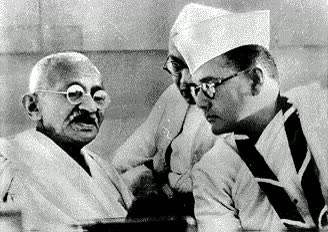
Haripura Sessionஹரிபுரா மாநாடு
The fifty-first session of the Congress at Haripura was presided over by Subhash Chandra Bose. Towards the end of the session, there was a contest for who would be the president-elect for the next session between Netaji and Pattabhi Sittaramayya. Bose won with a thumping margin even though Sittaramayya was seen as Gandhiji's nominee.ஹரிபுராவில் நடைபெற்ற காங்கிரசின் ஐம்பத்தோராவது மாநாட்டுக்கு சுபாஷ் சந்திர போஸ் தலைமை தாங்கினார். மாநாட்டின் இறுதியில், அடுத்த மாநாட்டின் தலைவராகத் தேர்ந்தெடுக்கப்படுவது யார் என்பதற்கு நேதாஜிக்கும் பட்டாபி சீதாராமையாவுக்கும் இடையே போட்டி எழுந்தது. சீதாராமையா காந்தியடிகளின் வேட்பாளராகக் கருதப்பட்டாலும், போஸ் பெரும் வாக்கு வேறுபாட்டில் வெற்றி பெற்றார்.
1937ஏப். 1
1937
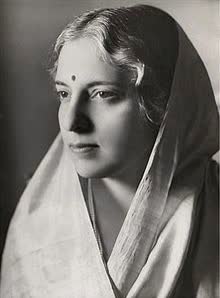
Congress wins Provincial Electionsமாகாணத் தேர்தல்களில் காங்கிரஸ் வெற்றி
In 1937, first elections were held for the provincial legislatures. About 10 to 12 % of the population had the right to vote. The Congress won an absolute majority in 5 out of 11 provinces and formed governments in 7 provinces1937ஆம் ஆண்டு மாகாணச் சட்டமன்றங்களுக்கு முதல் தேர்தல்கள் நடைபெற்றன. மக்கள்தொகையில் ஏறக்குறைய 10 முதல் 12 சதவீதத்தினருக்கே வாக்குரிமை இருந்தது. 11 மாகாணங்களில் 5-இல் காங்கிரஸ் தனிப்பெரும்பான்மை பெற்று, 7 மாகாணங்களில் அரசுகளை அமைத்தது.

C. N. Muthuranga Mudaliarச. ந. முத்துரங்க முதலியார்
1936டிச. 27
1936
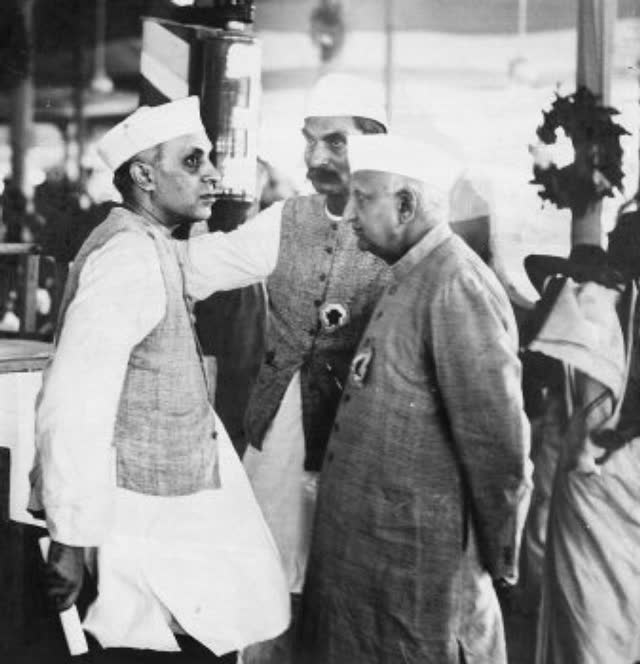
First 'rural' Sessionமுதல் 'கிராமப்புற' மாநாடு
Held at Faizpur near Jalgaon, this was the first Congress Session in a rural area. Pandit Nehru said during his presidential address, 'A vaster and more pressing problem is that of the peasantry, for India is essentially a land of the peasants. In recognition of this fact, and to bring the Congress nearer to the peasant masses, we are meeting here today at the village of Faizpur and not, as of old, in some great city'.ஜல்கான் அருகே ஃபைஸ்பூரில் நடைபெற்ற இது, கிராமப்புறத்தில் நடந்த முதல் காங்கிரஸ் மாநாடு. தமது தலைமை உரையில் பண்டித நேரு கூறினார்: “இதைவிட மிகப் பெரிய, மிக நெருக்கடியான பிரச்சினை விவசாயிகளுடையது; ஏனெனில் இந்தியா அடிப்படையில் விவசாயிகளின் நாடு. இந்த உண்மையை ஏற்றுக்கொண்டு, காங்கிரசை விவசாய மக்களுக்கு நெருக்கமாகக் கொண்டுவரும் நோக்கில், பழையபடி ஏதோ ஒரு பெருநகரில் அல்ல, இன்று ஃபைஸ்பூர் எனும் இந்தக் கிராமத்தில் நாம் கூடியிருக்கிறோம்.”
1936ஏப். 12
1936
Lucknow Session, 1936லக்னோ மாநாடு, 1936
Lashing out at the British during his presidential address at the Lucknow Session, Pandit Nehru said 'Meanwhile, the decay of British Imperialism in India becomes ever more apparent. It cannot by its very nature solve our economic problems and rid us of our terrible poverty, which it has largely itself created. It subsists on a normal fare of the fiercest repression and a denial of civil and even personal libertyலக்னோ மாநாட்டில் தமது தலைமை உரையின்போது பிரிட்டிஷாரைக் கடுமையாகச் சாடிய பண்டித நேரு கூறினார்: “இதற்கிடையே, இந்தியாவில் பிரிட்டிஷ் ஏகாதிபத்தியத்தின் சீரழிவு நாளுக்கு நாள் தெளிவாகிறது. அதன் இயல்பே அத்தகையது என்பதால், நமது பொருளாதாரப் பிரச்சினைகளைத் தீர்க்கவும், பெரும்பாலும் அதுவே உருவாக்கிய நமது கொடிய வறுமையிலிருந்து நம்மை விடுவிக்கவும் அதற்கு இயலாது. மிகக் கடுமையான அடக்குமுறையையும், குடிமை உரிமை — ஏன், தனிமனித உரிமையையும் — மறுப்பதையும் வழக்கமான உணவாகக் கொண்டே அது உயிர்வாழ்கிறது.”

S. Satyamurtiச. சத்தியமூர்த்தி
The freedom struggle yearsசுதந்திரப் போராட்ட ஆண்டுகள்
Under presidents like C. Rajagopalachari and S. Satyamurti, the Tamil Nadu Congress led civil disobedience, salt satyagraha marches, and the fight for responsible government in Madras — producing some of the national movement's finest organisers.
ராஜாஜி, ச. சத்தியமூர்த்தி போன்ற தலைவர்களின் கீழ், தமிழ்நாடு காங்கிரஸ் ஒத்துழையாமை இயக்கம், உப்பு சத்தியாகிரகம், மாகாண சுயாட்சிப் போராட்டங்களை முன்னின்று நடத்தியது.
1935ஆக. 2
1935
Government of India Act, 1935இந்திய அரசுச் சட்டம், 1935
On August 2, 1935, The Government of India Act, 1935 was passed. It laid down the constitutional framework for the governance of British India at the federal and provincial levels.1935 ஆகஸ்ட் 2ஆம் தேதி இந்திய அரசுச் சட்டம், 1935 நிறைவேற்றப்பட்டது. கூட்டாட்சி, மாகாண நிலைகளில் பிரிட்டிஷ் இந்தியாவை ஆள்வதற்கான அரசியலமைப்புக் கட்டமைப்பை அது வகுத்தது.
1934அக். 24
1934
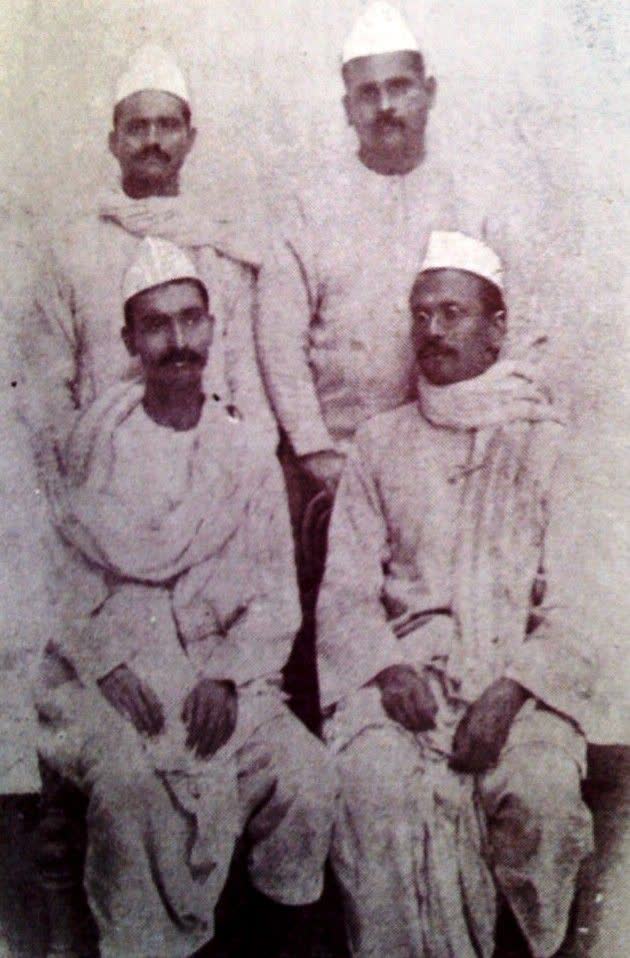
Khadi becomes compulosryகாதி கட்டாயமாக்கப்பட்டது
A number of changes in the Congress constitution were affected at the Bombay Session in 1934. Wearing of Khadi was made a necessary criterion for elective membership. A cap of 2000 was put for the number of Congress delegates. A. I. C. C. was reduced to half its strength. The delegates were to be elected at the rate of 1 per every 500 primary members, thereby making them representatives of the people.1934 பாம்பே மாநாட்டில் காங்கிரஸ் விதிகளில் பல மாற்றங்கள் செய்யப்பட்டன. காதி அணிவது தேர்வுப் பதவி உறுப்பினருக்கு இன்றியமையாத தகுதியாக்கப்பட்டது. காங்கிரஸ் பிரதிநிதிகளின் எண்ணிக்கைக்கு 2000 எனும் உச்ச வரம்பு விதிக்கப்பட்டது. AICC-யின் உறுப்பினர் எண்ணிக்கை பாதியாகக் குறைக்கப்பட்டது. ஒவ்வொரு 500 அடிப்படை உறுப்பினர்களுக்கும் ஒருவர் என்ற விகிதத்தில் பிரதிநிதிகள் தேர்ந்தெடுக்கப்பட வேண்டும் என்று முடிவு செய்யப்பட்டது; இதனால் அவர்கள் மக்களின் பிரதிநிதிகளாக ஆனார்கள்.
1932செப். 24
1932
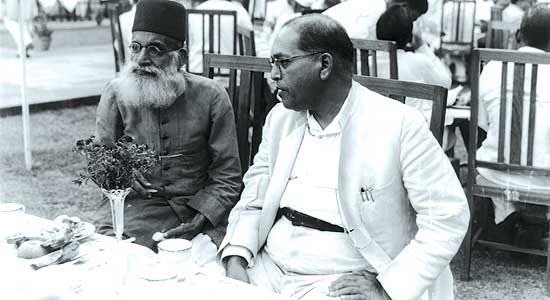
Poona Pactபூனா ஒப்பந்தம்
Gandhiji ended his fast against against separate electorates for Harijans. This was after a pact was reached between him and Dr BR Ambedekar that allowed a certain number of reserved seats for Harijansஹரிஜனங்களுக்குத் தனித் தொகுதி முறைக்கு எதிராக நடத்திய தமது உண்ணாவிரதத்தை காந்தியடிகள் நிறைவு செய்தார். ஹரிஜனங்களுக்கு ஒரு குறிப்பிட்ட எண்ணிக்கையிலான இடங்களை ஒதுக்கீடு செய்ய வழிவகுத்த ஒப்பந்தம் அவருக்கும் டாக்டர் பி.ஆர். அம்பேத்கருக்கும் இடையே எட்டப்பட்ட பின் இது நிகழ்ந்தது.
1932செப். 20
1932
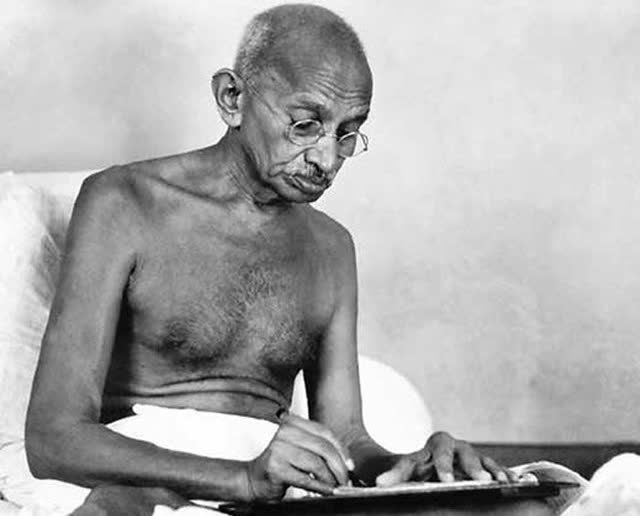
Fast against Separate Electorateதனித் தொகுதி முறைக்கு எதிராக உண்ணாவிரதம்
On September 20, 1932, Gandhiji went on a fast protesting against a separate electorate for Harijans. In his words, such 'separation would kill all prospects of reform'; 'when a man relies on a support, to that extent he weakens himself1932 செப்டம்பர் 20ஆம் தேதி ஹரிஜனங்களுக்குத் தனித் தொகுதி முறைக்கு எதிர்ப்புத் தெரிவித்து காந்தியடிகள் உண்ணாவிரதம் தொடங்கினார். அவரது சொற்களில், இத்தகைய ‘பிரிவினை சீர்திருத்தத்திற்கான வாய்ப்புகள் அனைத்தையும் கொன்றுவிடும்’; ‘ஒரு மனிதன் ஒரு தாங்குதலை நம்பியிருக்கும்போது, அந்த அளவுக்கு அவன் தன்னைத் தானே பலவீனப்படுத்திக் கொள்கிறான்’.
1932செப். 17
1932
The Third Round Table Conferenceமூன்றாம் வட்ட மேசை மாநாடு
The Third Round Table Conference began on November 17, 1932 and continued up to December 24, 1932. The Congress boycotted it.மூன்றாம் வட்ட மேசை மாநாடு 1932 நவம்பர் 17ஆம் தேதி தொடங்கி 1932 டிசம்பர் 24ஆம் தேதி வரை நீடித்தது. காங்கிரஸ் அதைப் புறக்கணித்தது.
1932ஆக. 16
1932
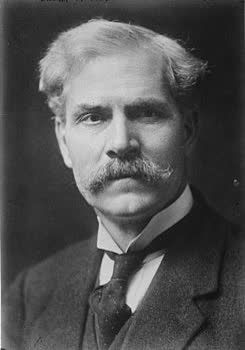
Communal Awardவகுப்புவாத தீர்ப்பு
On August 16, 1932, the British Government announced that members to the provincial legislatures would be elected from separate electorates/constituencies, which would primarily be demarcated on a communal basis.1932 ஆகஸ்ட் 16ஆம் தேதி, மாகாணச் சட்டமன்றங்களுக்கான உறுப்பினர்கள் தனித் தொகுதிகளிலிருந்து தேர்ந்தெடுக்கப்படுவார்கள் என்றும், அத்தொகுதிகள் முதன்மையாக வகுப்புவாத அடிப்படையில் வரையறுக்கப்படும் என்றும் பிரிட்டிஷ் அரசு அறிவித்தது.
1932ஏப். 24
1932
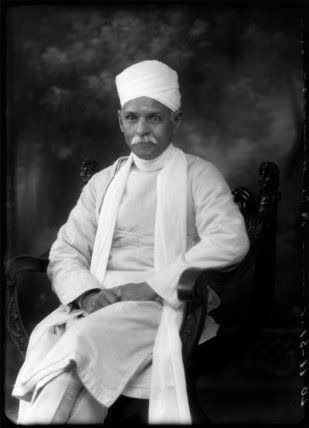
Congress braves crackdownஅடக்குமுறையை எதிர்த்து நின்ற காங்கிரஸ்
Despite Police vigilance, over 500 delegates attended the Congress session in Delhi in April 1932. Pandit Madan Mohan Malaviya, the President elect was arrested en-route. Four resolutions were passed reiterating complete Independence as the goal of the Congress, endorsing the revival of Civil Disobedience, expressing complete faith in Gandhiji's leadership and reaffirming deep faith in non-violence.காவல்துறையின் கண்காணிப்பையும் மீறி, 1932 ஏப்ரல் மாதம் டெல்லியில் நடைபெற்ற காங்கிரஸ் மாநாட்டில் 500-க்கும் மேற்பட்ட பிரதிநிதிகள் கலந்துகொண்டனர். தலைவராகத் தேர்ந்தெடுக்கப்பட்டிருந்த பண்டித மதன் மோகன் மாளவியா வழியிலேயே கைது செய்யப்பட்டார். நான்கு தீர்மானங்கள் நிறைவேற்றப்பட்டன: முழுமையான சுதந்திரமே காங்கிரசின் இலக்கு என்பதை மீண்டும் வலியுறுத்துவது; சட்ட மறுப்பு இயக்கத்தை மீண்டும் தொடங்குவதை ஆமோதிப்பது; காந்தியடிகளின் தலைமையில் முழு நம்பிக்கையை வெளிப்படுத்துவது; அகிம்சையில் ஆழ்ந்த நம்பிக்கையை மீண்டும் உறுதிப்படுத்துவது.
1932ஜன. 1
1932
Civil Disobedience Revivedசட்ட மறுப்பு இயக்கம் மீண்டும் தொடங்கியது
Lord Willingdon became the Viceroy in Nov 1931. He violated the Gandhi-Irwin Pact by repressing Congress and other nationalists. Hence, Congress revived the civil disobedience movement on 4 Jan 19321931 நவம்பர் மாதம் வில்லிங்டன் பிரபு வைஸ்ராயானார். காங்கிரசையும் பிற தேசியவாதிகளையும் அடக்கியதன் மூலம் அவர் காந்தி - இர்வின் ஒப்பந்தத்தை மீறினார். எனவே 1932 ஜனவரி 4ஆம் தேதி காங்கிரஸ் சட்ட மறுப்பு இயக்கத்தை மீண்டும் தொடங்கியது.
1931செப். 7
1931
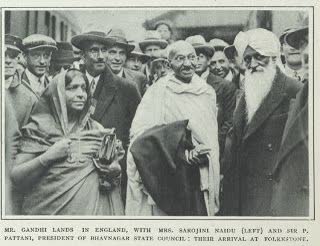
2nd Round Table Conferenceஇரண்டாம் வட்ட மேசை மாநாடு
The deliberations of the conference that started on September 7, 1931, failed to bring about a consensus between Gandhiji and other Indian participants on separate electorates and other safeguards for Muslims and other minorities.1931 செப்டம்பர் 7ஆம் தேதி தொடங்கிய மாநாட்டின் விவாதங்கள், முஸ்லிம்களுக்கும் பிற சிறுபான்மையினருக்கும் தனித் தொகுதிகள் மற்றும் பிற பாதுகாப்புகள் குறித்து காந்தியடிகளுக்கும் பிற இந்தியப் பங்கேற்பாளர்களுக்கும் இடையே ஒருமித்த கருத்தைக் கொண்டுவரத் தவறின.
1931மார். 29
1931
Karachi Session, 1931கராச்சி மாநாடு, 1931
The Congress expressed its admiration of the bravery and sacrifice of Bhagat Singh, Sukhdev and Rajguru who were executed on March 23, 1931, while also voicing its disapproval of political violence. They declared the execution of the three young men to be an act of wanton vengeance.1931 மார்ச் 23ஆம் தேதி தூக்கிலிடப்பட்ட பகத் சிங், சுக்தேவ், ராஜகுரு ஆகியோரின் வீரத்தையும் தியாகத்தையும் காங்கிரஸ் போற்றியது; அதே வேளையில் அரசியல் வன்முறைக்குத் தனது உடன்பாடின்மையையும் தெரிவித்தது. அந்த மூன்று இளைஞர்களைத் தூக்கிலிட்டது காரணமற்ற பழிவாங்கும் செயல் என்று அது பிரகடனம் செய்தது.
1931மார். 5
1931
Gandhi Irwin Pactகாந்தி - இர்வின் ஒப்பந்தம்
Gandhiji entered into a pact with the then Viceroy, Lord Irwin, thereby agreeing to discontinue the civil disobedience movement and participate in the Round Table Conferences, on Irwin's acceptance to withdraw the Salt tax and ordinances and cases against the Congress and other nationalists.உப்பு வரியையும், காங்கிரஸ் மற்றும் பிற தேசியவாதிகள் மீதான ஆணைகளையும் வழக்குகளையும் திரும்பப் பெறுவதற்கு இர்வின் ஒப்புக்கொண்டதன் அடிப்படையில், சட்ட மறுப்பு இயக்கத்தை நிறுத்தி வட்ட மேசை மாநாடுகளில் பங்கேற்பதற்கு ஒப்புக்கொண்டு, அப்போதைய வைஸ்ராய் இர்வின் பிரபுவுடன் காந்தியடிகள் ஓர் ஒப்பந்தத்தில் ஈடுபட்டார்.

C. Rajagopalachariச. ராஜகோபாலாச்சாரி
1930நவ. 12
1930
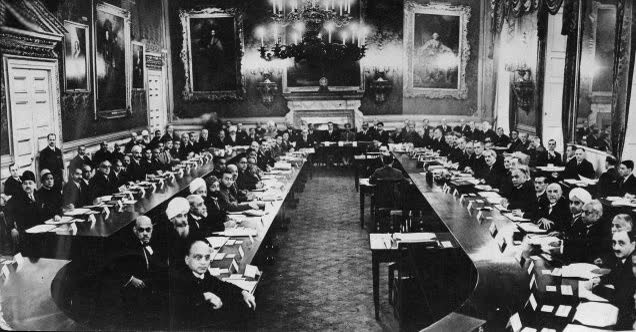
1st Round Table Conferenceமுதல் வட்ட மேசை மாநாடு
The conference, chaired by the British PM, Ramsay MacDonald, discussed constitutional issues pertaining to India. The Congress did not attend the Conference as its leaders were in jail for civil disobedience.பிரிட்டிஷ் பிரதமர் ராம்சே மெக்டொனால்ட் தலைமையில் நடைபெற்ற இம்மாநாடு இந்தியா தொடர்பான அரசியலமைப்புப் பிரச்சினைகளை விவாதித்தது. சட்ட மறுப்பு இயக்கத்திற்காக அதன் தலைவர்கள் சிறையில் இருந்ததால் காங்கிரஸ் இம்மாநாட்டில் கலந்துகொள்ளவில்லை.
1930மார். 12
1930
Dandi Marchதண்டி யாத்திரை
On March 12, 1930, Gandhiji started his Dandi March (Salt Satyagraha) from his residence at Sabarmati protesting against the 1882 Salt Act, which gave the British a monopoly on the collection, storage and trade of salt, and which levied a salt tax. On Apr 6, 1930, Gandhiji broke Salt laws at Dandi.உப்பைச் சேகரிப்பது, சேமிப்பது, விற்பனை செய்வது ஆகியவற்றில் பிரிட்டிஷாருக்குத் தனியுரிமை அளித்து, உப்பு வரியையும் விதித்த 1882 உப்புச் சட்டத்தை எதிர்த்து, 1930 மார்ச் 12ஆம் தேதி காந்தியடிகள் சபர்மதியில் இருந்த தமது இல்லத்திலிருந்து தண்டி யாத்திரையை (உப்புச் சத்தியாகிரகம்) தொடங்கினார். 1930 ஏப்ரல் 6ஆம் தேதி தண்டியில் காந்தியடிகள் உப்புச் சட்டங்களை மீறினார்.
1929டிச. 19
1929
Purna Swaraj is the Goalபூரண சுயராஜ்யமே இலக்கு
With Pandit Jawaharlal Nehru at the helm, the Congress went a step declaring Purna Swaraj (complete independence) as its ultimate goal. “We long for peace and the hand of fellowship will always be stretched but to all who may care to grasp it. But behind the hand will be a body which will not bend to injustice and a mind that will not surrender on any vital point,” Pandit Nehru said during his presidential address.பண்டித ஜவஹர்லால் நேரு தலைமையேற்க, பூரண சுயராஜ்யமே — முழுமையான சுதந்திரமே — தனது இறுதி இலக்கு என்று பிரகடனம் செய்து காங்கிரஸ் ஒரு படி மேலே சென்றது. “நாம் அமைதியை ஏங்குகிறோம்; நட்புக் கரம் எப்போதும் நீட்டப்பட்டிருக்கும் — அதைப் பற்றிக்கொள்ள விரும்பும் அனைவருக்கும். ஆனால் அந்தக் கரத்திற்குப் பின்னால், அநீதிக்கு வளையாத ஓர் உடலும், எந்த உயிர்நாடிப் பிரச்சினையிலும் சரணடையாத ஒரு மனமும் இருக்கும்” என்று தமது தலைமை உரையில் பண்டித நேரு கூறினார்.
1928டிச. 29
1928
Dominion Statusடொமினியன் அந்தஸ்து
During the Calcutta session,Gandhiji moved a resolution accepting the Motilal Nehru report's recommendation of Dominion Status within two years. However, Jawaharlal Nehru moved an amendment reiterating the Congress's commitment to independence. To arrive at a middle ground, the Congress gave the British a warning that a civil disobedience movement would start if India was not granted dominion status by December 31, 1929.கல்கத்தா மாநாட்டின்போது, இரண்டு ஆண்டுகளுக்குள் டொமினியன் அந்தஸ்து எனும் மோதிலால் நேரு அறிக்கையின் பரிந்துரையை ஏற்கும் தீர்மானத்தை காந்தியடிகள் முன்மொழிந்தார். எனினும் சுதந்திரத்திற்கான காங்கிரசின் உறுதிப்பாட்டை மீண்டும் வலியுறுத்தும் திருத்தத்தை ஜவஹர்லால் நேரு முன்மொழிந்தார். இடைப்பட்ட ஒரு தளத்தை அடையும் பொருட்டு, 1929 டிசம்பர் 31ஆம் தேதிக்குள் இந்தியாவுக்கு டொமினியன் அந்தஸ்து வழங்கப்படாவிட்டால் சட்ட மறுப்பு இயக்கம் தொடங்கும் என்று பிரிட்டிஷாருக்கு காங்கிரஸ் எச்சரிக்கை விடுத்தது.
1928பிப். 6
1928
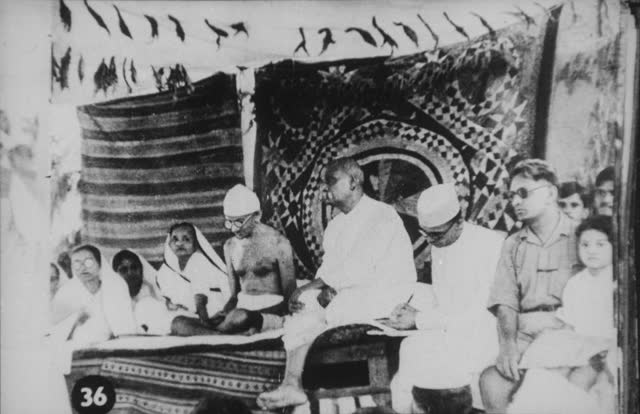
Bardoli Satyagrahaபர்தோலி சத்தியாகிரகம்
On February 12 1928, Sardar Patel under Gandhi's leadership launched a Satyagraha in Bardoli against high taxes on farmers who were already reeling under floods and famine. It continued up till August 6, 1928, when an agreement was arrived at with the government.1928 பிப்ரவரி 12ஆம் தேதி, ஏற்கெனவே வெள்ளத்தாலும் பஞ்சத்தாலும் தவித்துக்கொண்டிருந்த விவசாயிகள் மீது விதிக்கப்பட்ட உயர்ந்த வரிகளை எதிர்த்து, காந்தியடிகளின் தலைமையில் சர்தார் படேல் பர்தோலியில் ஒரு சத்தியாகிரகத்தைத் தொடங்கினார். அரசுடன் ஓர் ஒப்பந்தம் எட்டப்பட்ட 1928 ஆகஸ்ட் 6ஆம் தேதி வரை அது தொடர்ந்தது.

P. Varadarajulu Naiduப. வரதராஜுலு நாயுடு
1927டிச. 26
1927
Congress decides to boycott the Simon Commissionசைமன் குழுவைப் புறக்கணிக்க காங்கிரஸ் முடிவு
At the 1927 Madras Session, the Congress resolved to boycott the Simon Commission "at each stage and in every form". In a separate resolution, the Creed of the Congress was defined: "the goal of the Indian people is complete National Independence"1927 மதராஸ் மாநாட்டில், சைமன் குழுவை “ஒவ்வொரு கட்டத்திலும் ஒவ்வொரு வடிவத்திலும்” புறக்கணிக்கக் காங்கிரஸ் தீர்மானித்தது. தனியொரு தீர்மானத்தில் காங்கிரசின் கொள்கை வரையறுக்கப்பட்டது: “இந்திய மக்களின் இலக்கு முழுமையான தேசிய சுதந்திரமே.”

Tiru. V. Kalyanasundaranarதிரு.வி. கல்யாணசுந்தரனார்
1925டிச. 26
1925
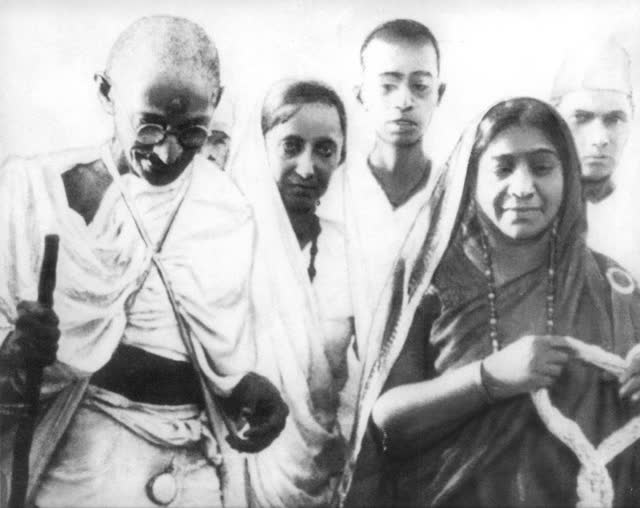
Kanpur Session, 1925கான்பூர் மாநாடு, 1925
Sarojini Naidu became the second woman to preside over the Congress after Annie Besant. She said during her presidential address: 'How shall I stir your hearts, how shall I light that flame that cannot die, so that your slavery, so that your disunion, so that all the things that make you hungry and naked and forlorn, oppressed and battered 'will be burnt in that undying fire?'அன்னி பெசன்ட்டுக்குப் பின் காங்கிரசுக்குத் தலைமை தாங்கிய இரண்டாவது பெண்மணி ஆனார் சரோஜினி நாயுடு. தமது தலைமை உரையில் அவர் கூறினார்: “உங்கள் உள்ளங்களை நான் எப்படிக் கிளர்ச்சியூட்டுவேன்? அணையாத அந்த ஜுவாலையை நான் எப்படி ஏற்றுவேன்? — உங்கள் அடிமைத்தனமும், உங்கள் ஒற்றுமையின்மையும், உங்களைப் பசியிலும் ஆடையின்மையிலும் தனிமையிலும் ஒடுக்குதலிலும் நொறுக்குதலிலும் ஆழ்த்தும் அனைத்தும் அந்த அணையாத நெருப்பில் எரிந்து சாம்பலாகும் வண்ணம்?”
1924டிச. 26
1924
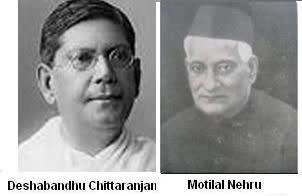
Gandhi-Nehru-Das pactகாந்தி - நேரு - தாஸ் ஒப்பந்தம்
To end the infighting within the Congress, a pact was signed between Gandhiji on one hand and Motilal Nehru and C.R. Das on the other whereby the Congress accepted that the Swarajists were in the Councils on the Congress's behalf. In return, the Swarajists agreed that only those who spun Khadi could be members of the Congress.காங்கிரசுக்குள் இருந்த உட்பூசலை முடிவுக்குக் கொண்டுவரும் நோக்கில், ஒரு பக்கம் காந்தியடிகளுக்கும் மறுபக்கம் மோதிலால் நேரு, சி.ஆர். தாஸ் ஆகியோருக்கும் இடையே ஓர் ஒப்பந்தம் கையெழுத்திடப்பட்டது; அதன்படி, சட்டமன்றங்களில் இருக்கும் சுயராஜ்யவாதிகள் காங்கிரசின் சார்பாகவே இருக்கிறார்கள் என்பதைக் காங்கிரஸ் ஏற்றுக்கொண்டது. அதற்குப் பதிலாக, காதி நூற்பவர்கள் மட்டுமே காங்கிரஸ் உறுப்பினர்களாக இருக்க முடியும் என்பதற்கு சுயராஜ்யவாதிகள் ஒப்புக்கொண்டனர்.
1924செப். 17
1924
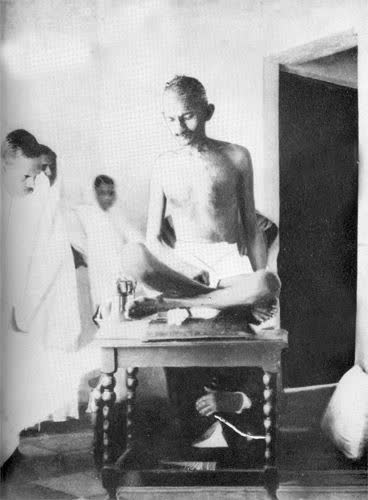
Fast for Hindu-Muslim unityஇந்து - முஸ்லிம் ஒற்றுமைக்காக உண்ணாவிரதம்
After hearing news of communal violence in Kohat and also in Amethi, Sambhal and Gulbarga, Gandhiji went on a fast for Hindu-Muslim unity on September 17, 1924, He ended his fast only after 21 days.கோஹத்திலும், அமேதி, சம்பல், குல்பர்கா ஆகிய இடங்களிலும் நிகழ்ந்த வகுப்புவாத வன்முறை பற்றிய செய்திகளைக் கேட்ட பின், 1924 செப்டம்பர் 17ஆம் தேதி இந்து - முஸ்லிம் ஒற்றுமைக்காக காந்தியடிகள் உண்ணாவிரதம் தொடங்கினார். 21 நாட்களுக்குப் பின்னரே அவர் தமது உண்ணாவிரதத்தை நிறைவு செய்தார்.
1924ஜன. 1
1924
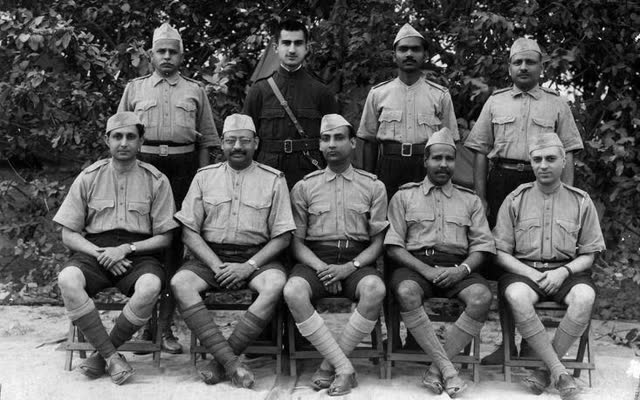
Congress Seva Dalகாங்கிரஸ் சேவா தள்
On January 1, 1923 the Seva Dal was established as the Hindustan Seva Mandal with Jawaharlal Nehru as its first president. According to the resolution at Kakinada, the Dal was to work under the supervision of the Congress party's working committee. Umabai Kundapur was the founding president of the women's wing of the Dal.1923 ஜனவரி 1ஆம் தேதி ஜவஹர்லால் நேருவை முதல் தலைவராகக் கொண்டு ஹிந்துஸ்தான் சேவா மண்டல் எனும் பெயரில் சேவா தள் நிறுவப்பட்டது. காகிநாடா தீர்மானத்தின்படி, காங்கிரஸ் கட்சியின் செயற்குழுவின் மேற்பார்வையில் தள் செயல்பட வேண்டியிருந்தது. தளின் மகளிர் பிரிவின் நிறுவனத் தலைவர் உமாபாய் குண்டாபுர்.
1923டிச. 28
1923
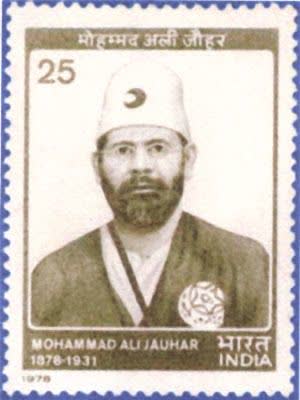
Kakinada Session, 1923காகிநாடா மாநாடு, 1923
The Kakinada Session was presided over by Maulana Mohammad Ali, who was released in 1919 after spending five years in prison. 'Our Swaraj must be Sarvaraj: the Raj of all...Swaraj must be won by the minimum sacrifice of the maximum number and not by the maximum sacrifice of the minimum number,' the Maulana said during his presidential address.ஐந்து ஆண்டுகள் சிறையில் கழித்து 1919ஆம் ஆண்டு விடுவிக்கப்பட்ட மௌலானா முகமது அலி காகிநாடா மாநாட்டுக்குத் தலைமை தாங்கினார். “நமது சுயராஜ்யம் சர்வராஜ்யமாக இருக்க வேண்டும்: அனைவரின் ஆட்சி... அதிக எண்ணிக்கையினரின் குறைந்தபட்ச தியாகத்தால் சுயராஜ்யம் வெல்லப்பட வேண்டும்; குறைந்த எண்ணிக்கையினரின் அதிகபட்ச தியாகத்தால் அல்ல” என்று தமது தலைமை உரையில் மௌலானா கூறினார்.
1922டிச. 26
1922
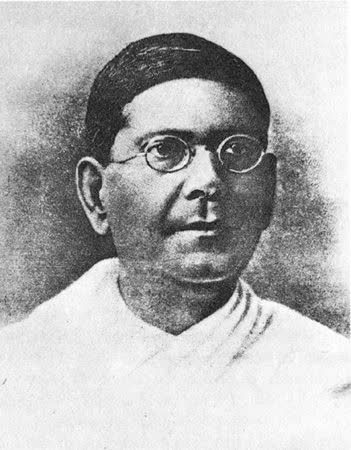
Council entryசட்டமன்றப் பிரவேசம்
At the Gaya session on 26 Dec 1922, Congress leaders debated on the merits and demerits of continuing its boycott of the government-created councils. While the 'no-changers' led by C Rajagopalachari and those loyal, suggested to Gandhiji advocated continuing the boycott, the Swarajists led by C.R. Das suggesting participating in the councils.1922 டிசம்பர் 26ஆம் தேதி கயா மாநாட்டில், அரசால் உருவாக்கப்பட்ட சட்டமன்றங்களைப் புறக்கணிப்பதைத் தொடர்வதன் நன்மை தீமைகளைக் காங்கிரஸ் தலைவர்கள் விவாதித்தனர். சி. ராஜகோபாலாச்சாரி தலைமையிலான ‘மாற்றம் வேண்டாதவர்கள்’ புறக்கணிப்பைத் தொடர வேண்டும் என காந்தியடிகளிடம் பரிந்துரைத்தனர்; சி.ஆர். தாஸ் தலைமையிலான சுயராஜ்யவாதிகள் சட்டமன்றங்களில் பங்கேற்க வேண்டும் என்றனர்.

E. V. Ramasamy (Periyar)ஈ.வெ. ராமசாமி (பெரியார்)
1921டிச. 27
1921
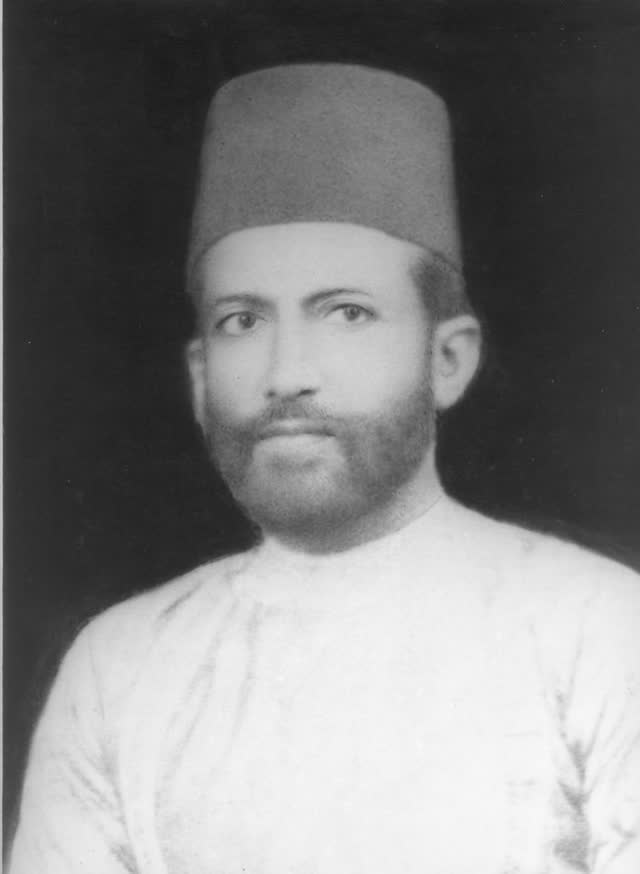
Ahmedabad Session, 1921அகமதாபாத் மாநாடு, 1921
Hakim Ajmal Khan was unanimously elected to preside over the Session in the absence of C.R. Das, who was in jail. Gandhiji was appointed as the sole executive authority of the Congress and invested with full powers of the AICC. Chairs and benches for delegates were eliminated and Khadi tents made their appearance for first time.சிறையில் இருந்த சி.ஆர். தாஸ் இல்லாத நிலையில், மாநாட்டுக்குத் தலைமை தாங்க ஹக்கீம் அஜ்மல் கான் ஒருமனதாகத் தேர்ந்தெடுக்கப்பட்டார். காந்தியடிகள் காங்கிரசின் ஒரே செயலதிகாரியாக நியமிக்கப்பட்டு, AICC-யின் முழு அதிகாரங்களும் அவருக்கு வழங்கப்பட்டன. பிரதிநிதிகளுக்கான நாற்காலிகளும் இருக்கைகளும் நீக்கப்பட்டன; காதிக் கூடாரங்கள் முதன்முறையாகத் தோன்றின.

T. S. S. Rajanதி.ச.ச. ராஜன்
1920டிச. 26
1920
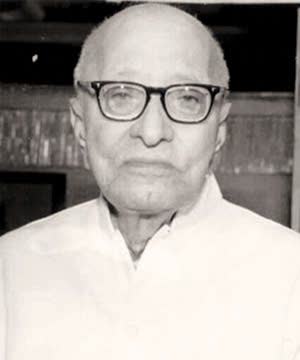
On war-footingபோர்க்கால தயார்நிலையில்
On 26 Dec 1920, at its Nagpur Session,, the Congress sought to intensify the Non-Cooperation Movement. It urged merchants to boycott any foreign trade relations and urged government servants to help the national cause. The importance of using non-violent means was reiterated. The party also made certain important organisational changes. The strength of the A I. C. C. increased to 350 and a Working Committee of 15 members was constituted.1920 டிசம்பர் 26ஆம் தேதி நாக்பூர் மாநாட்டில், ஒத்துழையாமை இயக்கத்தை மேலும் தீவிரப்படுத்த காங்கிரஸ் விரும்பியது. அன்னிய நாட்டு வணிகத் தொடர்புகள் அனைத்தையும் புறக்கணிக்குமாறு வணிகர்களைக் கேட்டுக்கொண்டது; தேசியப் பணிக்கு உதவுமாறு அரசு ஊழியர்களைக் கேட்டுக்கொண்டது. அகிம்சை வழிமுறைகளின் முக்கியத்துவம் மீண்டும் வலியுறுத்தப்பட்டது. கட்சி சில முக்கியமான அமைப்பு ரீதியான மாற்றங்களையும் செய்தது. AICC-யின் உறுப்பினர் எண்ணிக்கை 350 ஆக உயர்த்தப்பட்டது; 15 உறுப்பினர்களைக் கொண்ட செயற்குழு அமைக்கப்பட்டது.
1920ஆக. 1
1920
Non-cooperationஒத்துழையாமை இயக்கம்
On August 1, 1920, a non-cooperation movement was led by Gandhiji against the British for not addressing the widespread anger caused by the Jallianwala Bagh massacre as well as the Khilafat issue. Gandhiji exhorted the people to give up colonial titles and government posts and boycott foreign articles.ஜாலியன்வாலா பாக் படுகொலையாலும் கிலாபத் பிரச்சினையாலும் எழுந்திருந்த பரவலான கோபத்தைப் பிரிட்டிஷார் கவனத்தில் கொள்ளாததை எதிர்த்து, 1920 ஆகஸ்ட் 1ஆம் தேதி காந்தியடிகள் தலைமையில் ஒத்துழையாமை இயக்கம் நடத்தப்பட்டது. காலனிய பட்டங்களையும் அரசுப் பதவிகளையும் துறக்குமாறும், அன்னியப் பொருள்களைப் புறக்கணிக்குமாறும் காந்தியடிகள் மக்களைத் தூண்டினார்.

S. Srinivasa Iyengarச. சீனிவாச ஐயங்கார்
1919டிச. 26
1919
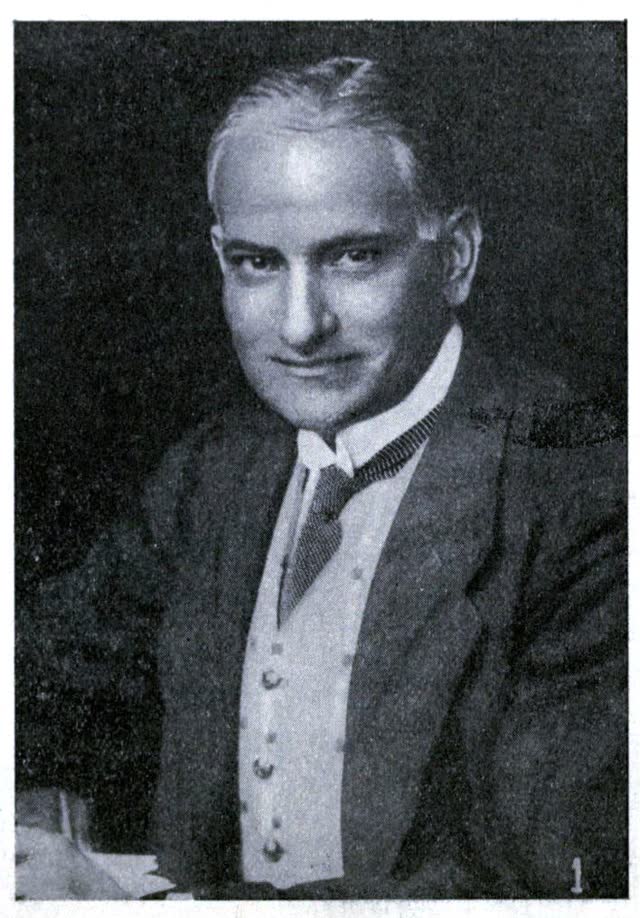
Amritsar Sessionஅமிர்தசரஸ் மாநாடு
By holding its 34th Session at Amritsar on 26 Dec 1919, the Congress expressed its deep solidarity with the people killed in the Jallianwala Bagh massacre in the city earlier that year. Under the presidentship of Motilal Nehru, the Congress condemned the massacre in the strongest of terms.1919 டிசம்பர் 26ஆம் தேதி அமிர்தசரஸில் தனது 34ஆவது மாநாட்டை நடத்தியதன் மூலம், அந்த ஆண்டின் தொடக்கத்தில் அதே நகரில் ஜாலியன்வாலா பாக் படுகொலையில் கொல்லப்பட்ட மக்களுடன் தனது ஆழ்ந்த ஒருமைப்பாட்டை காங்கிரஸ் வெளிப்படுத்தியது. மோதிலால் நேருவின் தலைமையில், மிகக் கடுமையான சொற்களில் காங்கிரஸ் அப்படுகொலையைக் கண்டித்தது.
1919நவ. 23
1919
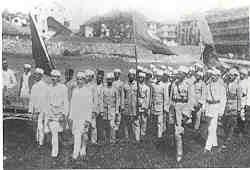
Gandhiji attends the Khilafat Conference in Delhiகாந்தியடிகள் டெல்லியில் கிலாபத் மாநாட்டில் கலந்துகொண்டார்
Gandhiji and the Congresss joined the Khilafat movement launched by prominent Muslim leaders to protest against British designs against the Caliphate in Turkey. In the process, Gandhiji not only united the country across the religious divide, he also transformed the Congress into a mass movement.துருக்கியில் கலீஃபா ஆட்சிக்கு எதிரான பிரிட்டிஷ் திட்டங்களை எதிர்த்து முக்கிய முஸ்லிம் தலைவர்களால் தொடங்கப்பட்ட கிலாபத் இயக்கத்தில் காந்தியடிகளும் காங்கிரசும் இணைந்தனர். இதன் வழியே மத வேறுபாட்டைக் கடந்து நாட்டை காந்தியடிகள் ஒன்றிணைத்தது மட்டுமல்ல, காங்கிரசையும் ஒரு வெகுஜன இயக்கமாக அவர் மாற்றினார்.
1919ஏப். 13
1919
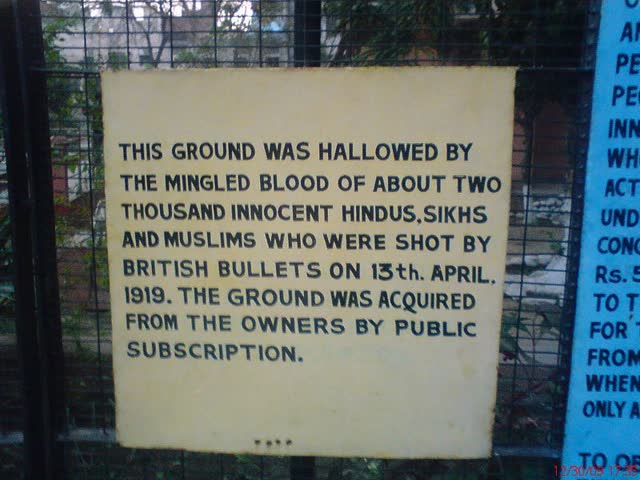
Jallianwala Bagh Massacreஜாலியன்வாலா பாக் படுகொலை
The Jallianwala Bagh massacre was a key moment in Indian History as on April 13 1919, British Forces, led by Brigadier-General REH Dyer opened fire on a crowd of close to 20,000 people in Amritsar, killing over a thousand.1919 ஏப்ரல் 13ஆம் தேதி அமிர்தசரஸில் பிரிகேடியர் ஜெனரல் ஆர்.இ.எச். டயர் தலைமையிலான பிரிட்டிஷ் படைகள், ஏறக்குறைய 20,000 பேர் கூடியிருந்த கூட்டத்தின் மீது துப்பாக்கிச் சூடு நடத்தி ஆயிரத்திற்கும் மேற்பட்டோரைக் கொன்றதால், ஜாலியன்வாலா பாக் படுகொலை இந்திய வரலாற்றின் ஒரு முக்கியத் தருணமாக அமைந்தது.
1919ஏப். 6
1919
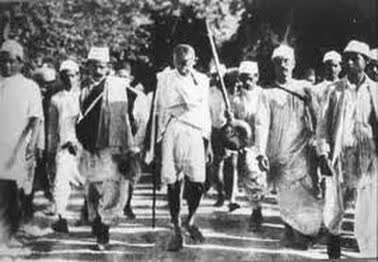
Protests Against the Rowlatt Billsரௌலட் சட்ட மசோதாக்களுக்கு எதிரான போராட்டங்கள்
On April 6, 1919, Gandhiji launched his first all-India Satyagraha against the Rowlatt Bills, which indefinitely extended 'emergency measures' to control public unrestபொது அமைதியின்மையைக் கட்டுப்படுத்த ‘நெருக்கடி நடவடிக்கைகளை’ காலவரையின்றி நீட்டித்த ரௌலட் சட்ட மசோதாக்களை எதிர்த்து, 1919 ஏப்ரல் 6ஆம் தேதி காந்தியடிகள் தமது முதல் அகில இந்திய சத்தியாகிரகத்தைத் தொடங்கினார்.
1918ஆக. 29
1918
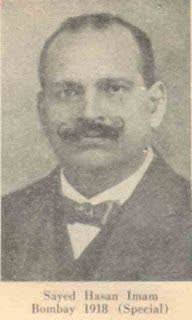
Special Session, Bombayசிறப்பு மாநாடு, பாம்பே
The Congress, at the Special Session in Bombay, termed the Montague-Chelmsford reforms as disappointing. It demanded a Declaration of Rights for the people of India and asserted that Indian legislatures should have the same measure of Fiscal Autonomy as the Self-governing Dominions of the Empire.பாம்பேயில் நடைபெற்ற சிறப்பு மாநாட்டில் காங்கிரஸ், மாண்டேகு - செம்ஸ்ஃபோர்டு சீர்திருத்தங்களை ஏமாற்றமளிப்பவை என்று குறிப்பிட்டது. இந்திய மக்களுக்கான உரிமைப் பிரகடனத்தை அது கோரியது; பேரரசின் தன்னாட்சி டொமினியன்களுக்கு உள்ள அளவுக்கே இந்தியச் சட்டமன்றங்களுக்கும் நிதிச் சுயாட்சி இருக்க வேண்டும் என்று வலியுறுத்தியது.
1918மார். 22
1918
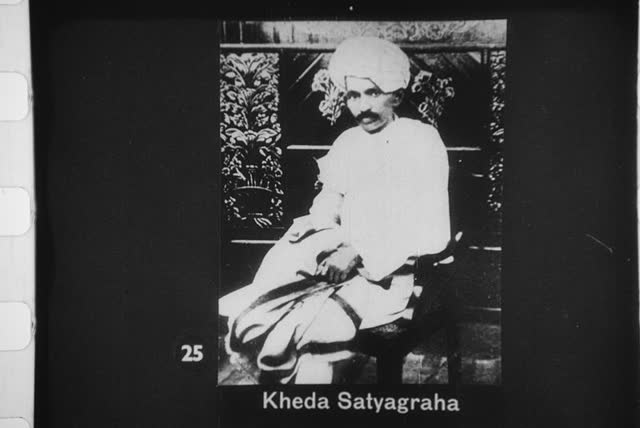
The Kheda Satyagrahaகேடா சத்தியாகிரகம்
On March 22, 1918, Sardar Patel, under the leadership of Gandhi, launched a Satyagraha against taxes on flood-hit farmers in Kaira. It continued up to June 6, when the government agreed to the demands of the protestors1918 மார்ச் 22ஆம் தேதி, வெள்ளத்தால் பாதிக்கப்பட்ட கேடா விவசாயிகள் மீதான வரிகளை எதிர்த்து, காந்தியடிகளின் தலைமையில் சர்தார் படேல் ஒரு சத்தியாகிரகத்தைத் தொடங்கினார். போராட்டக்காரர்களின் கோரிக்கைகளுக்கு அரசு ஒப்புக்கொண்ட ஜூன் 6ஆம் தேதி வரை அது தொடர்ந்தது.
1917டிச. 26
1917
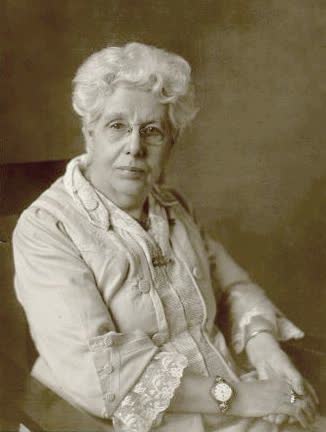
First woman Presidentமுதல் பெண் தலைவர்
The Congress got its first woman President at the Calcutta Session in 1917: Annie Besant. "To see India free, to see her hold up her head among the Nations, to see her sons and daughters respected everywhere, to see her worthy of her mighty Past, engaged in building a yet mightier future - is not this worth working for, worth living for and worth dying for? She asked during her presidential address.1917 கல்கத்தா மாநாட்டில் காங்கிரஸ் தனது முதல் பெண் தலைவரைப் பெற்றது: அன்னி பெசன்ட். தமது தலைமை உரையில் அவர் கேட்டார்: “இந்தியா விடுதலை பெறுவதைக் காண்பது; நாடுகளுக்கு இடையே அவள் தலை நிமிர்ந்து நிற்பதைக் காண்பது; அவளுடைய மகன்களும் மகள்களும் எங்கும் மதிக்கப்படுவதைக் காண்பது; தன் மாபெரும் கடந்த காலத்திற்குத் தகுதியானவளாக, இன்னும் மாபெரும் எதிர்காலத்தைக் கட்டியெழுப்பும் பணியில் அவள் ஈடுபடுவதைக் காண்பது — இதற்காக உழைப்பதும் வாழ்வதும் உயிர் நீப்பதும் தகுதியானவை அல்லவா?”
1916டிச. 26
1916
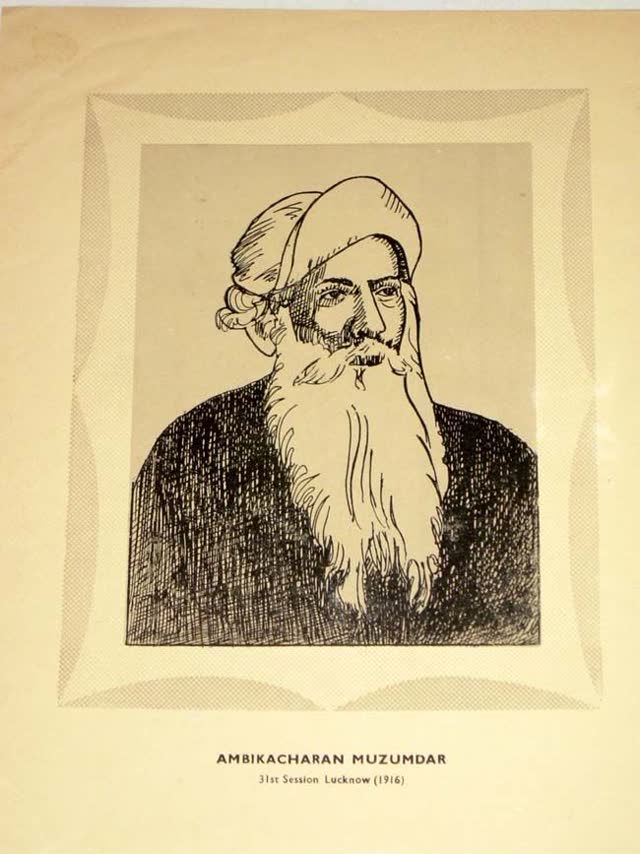
Congress-League unityகாங்கிரஸ் - லீக் ஒற்றுமை
The 1916 Lucknow Session represented the unification of the moderates and extremists within the Congress but also the closing of ranks between the Congress and the All India Muslim League. The League also held its session in the same city, Lucknow, that year.1916 லக்னோ மாநாடு காங்கிரசுக்குள் மிதவாதிகளும் தீவிரவாதிகளும் ஒன்றிணைந்ததைக் குறித்தது; அத்துடன் காங்கிரசுக்கும் அகில இந்திய முஸ்லிம் லீக்கிற்கும் இடையே ஏற்பட்ட நெருக்கத்தையும் குறித்தது. அதே ஆண்டு அதே நகரான லக்னோவில் லீக்கும் தனது மாநாட்டை நடத்தியது.
1915டிச. 27
1915
Moderates and Extremists close ranksமிதவாதிகளும் தீவிரவாதிகளும் ஒன்றிணைந்தனர்
The biggest achievement of the 1915 Bombay Session was that the constitution of the Congress was suitably altered so as to admit the delegates from the extremist section. Tilak responded by announcing the willingness of his supporters to re-enter the Congress. As a result the number of delegates rose to 2259 from 866 a year back.1915 பாம்பே மாநாட்டின் மிகப் பெரிய சாதனை, தீவிரவாதப் பிரிவைச் சேர்ந்த பிரதிநிதிகளை ஏற்றுக்கொள்ளும் வகையில் காங்கிரசின் விதிகள் பொருத்தமாக மாற்றப்பட்டதுதான். காங்கிரசுக்குள் மீண்டும் நுழைய தமது ஆதரவாளர்கள் விரும்புவதாக அறிவித்து திலகர் இதற்குப் பதிலளித்தார். இதன் விளைவாக, ஓராண்டுக்கு முன் 866 ஆக இருந்த பிரதிநிதிகளின் எண்ணிக்கை 2259 ஆக உயர்ந்தது.
1915ஜன. 9
1915
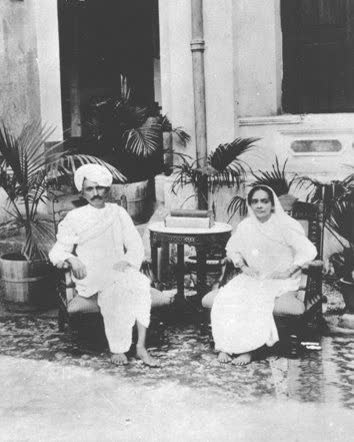
Gandhiji returnsகாந்தியடிகள் இந்தியா திரும்பினார்
Gandhiji and Kasturba Gandhi set sail for England on July 18, 1914, where they arrived two days after the country had entered World War I. Even during his short stint in England, Gandhiji volunteered to set up an ambulance corps for the war. They returned to India on January 9, 1915, a homecoming that was to change the path of India's history.1914 ஜூலை 18ஆம் தேதி காந்தியடிகளும் கஸ்தூரிபா காந்தியும் இங்கிலாந்து நோக்கிக் கப்பலில் புறப்பட்டனர்; அந்நாடு முதல் உலகப் போரில் நுழைந்த இரண்டு நாட்களுக்குப் பின் அவர்கள் அங்கு சேர்ந்தனர். இங்கிலாந்தில் தமது குறுகிய தங்கலின்போதும், போருக்கான ஆம்புலன்ஸ் அணி ஒன்றை அமைக்கத் தன்னார்வத்துடன் காந்தியடிகள் முன்வந்தார். 1915 ஜனவரி 9ஆம் தேதி அவர்கள் இந்தியா திரும்பினர்; இந்திய வரலாற்றின் பாதையையே மாற்றவிருந்த ஒரு தாய்நாடு திரும்புதல் அது.
1914டிச. 28
1914
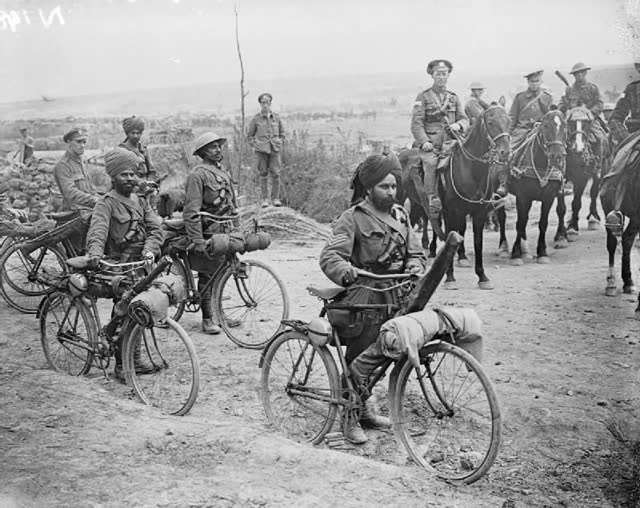
World War Iமுதல் உலகப் போர்
The First World War had begun in Europe and the Congress promised all help in the prosecution of the War. The Congress demanded that the higher ranks of the army should be thrown open to Indians and that military schools and colleges should be established in the countryஐரோப்பாவில் முதல் உலகப் போர் தொடங்கியிருந்தது; போரை நடத்துவதில் முழு உதவியையும் காங்கிரஸ் உறுதியளித்தது. இராணுவத்தின் உயர் பதவிகள் இந்தியர்களுக்குத் திறந்துவிடப்பட வேண்டும் என்றும், நாட்டில் இராணுவப் பள்ளிகளும் கல்லூரிகளும் நிறுவப்பட வேண்டும் என்றும் காங்கிரஸ் கோரியது.
1913அக். 28
1913
Satyagraha in South Africa for minersதென்னாப்பிரிக்காவில் சுரங்கத் தொழிலாளர்களுக்காக சத்தியாகிரகம்
On October 28, 1913, Gandhiji led a march of 3000 Indian miners from New Castle to Volksrust to protest against the £3 tax which Indian indentured labourers were made to pay. The Satyagraha continued up till January 21, 1914.1913 அக்டோபர் 28ஆம் தேதி, ஒப்பந்தத் தொழிலாளர்களாக இருந்த இந்தியர்கள் செலுத்த வேண்டியிருந்த £3 வரியை எதிர்த்து, நியூ காசில் நகரிலிருந்து ஃபோல்க்ஸ்ரஸ்ட் வரை 3000 இந்திய சுரங்கத் தொழிலாளர்களின் பேரணியை காந்தியடிகள் நடத்தினார். இந்தச் சத்தியாகிரகம் 1914 ஜனவரி 21ஆம் தேதி வரை தொடர்ந்தது.
1911டிச. 26
1911
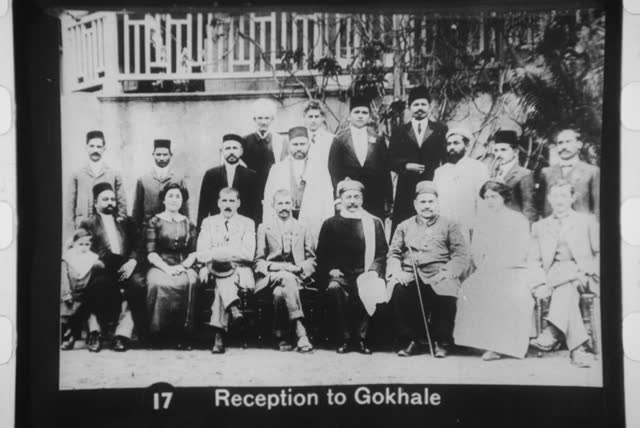
Calcutta Session, 1911கல்கத்தா மாநாடு, 1911
The Congress at its Calcutta Session in 1911, congratulated Mahatma Gandhi and the Indian community in Transvaal on the repeal of the South African province's anti-Asiatic legislation1911 கல்கத்தா மாநாட்டில் காங்கிரஸ், தென்னாப்பிரிக்க மாகாணமான டிரான்ஸ்வாலின் ஆசியர் விரோதச் சட்டம் ரத்து செய்யப்பட்டதற்காக மகாத்மா காந்திக்கும் டிரான்ஸ்வாலில் இருந்த இந்திய சமூகத்திற்கும் வாழ்த்து தெரிவித்தது.
1910டிச. 26
1910
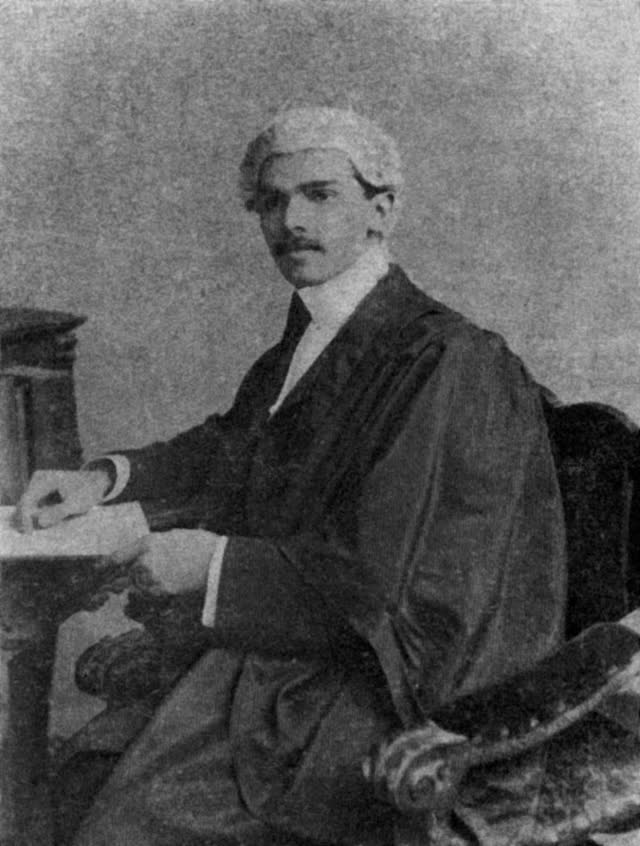
Allahabad Session, 1910அல்லகாபாத் மாநாடு, 1910
Mohammad Ali Jinnah, who was then a 44-year-old barrister and firmly with the Congress, decried the colonial government's decision to introduce separate electorates for Hindus and Muslims in municipalities and local bodies. He stated that this would disturb the amicable relations between the two communities. It is ironic that Jinnah became the main champion of a separate Muslim state two and a half decades later.அப்போது 44 வயது வழக்கறிஞராகவும், காங்கிரசுடன் உறுதியாக இருந்தவருமான முகமது அலி ஜின்னா, நகராட்சிகளிலும் உள்ளாட்சி அமைப்புகளிலும் இந்துக்களுக்கும் முஸ்லிம்களுக்கும் தனித் தொகுதிகளை அறிமுகப்படுத்தும் காலனிய அரசின் முடிவைக் கண்டித்தார். இது இரு சமூகங்களுக்கு இடையேயான நல்லுறவைக் குலைக்கும் என்று அவர் தெரிவித்தார். இரண்டரைப் பத்தாண்டுகளுக்குப் பின் அதே ஜின்னா தனி முஸ்லிம் நாட்டின் முதன்மை வழக்குரைஞராக ஆனது வரலாற்று முரண்.
1907டிச. 26
1907
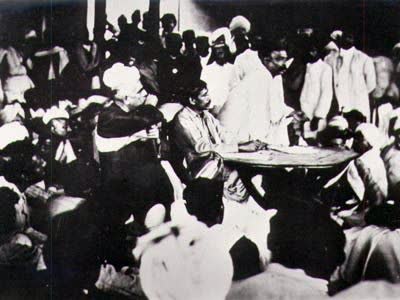
The Surat Splitசூரத் பிளவு
The Surat Session of the Congress was marred by disturbances. Extremist leaders like Bal Gangadhar Tilak, Lala Lajpat Rai and Bipin Chandra Pal were pushing for resolutions on Swaraj, Boycott and national education while the moderate leaders like Surendranath Banerjea and Gopal Krishna Gokhale were advocating a softer approach. With no meeting ground between the two sections, the Session disintegrated into confusion and eventually had to be suspended.காங்கிரசின் சூரத் மாநாடு கலவரங்களால் கறைபடிந்தது. பால கங்காதர திலகர், லாலா லஜபதி ராய், பிபின் சந்திர பால் போன்ற தீவிரவாதத் தலைவர்கள் சுயராஜ்யம், புறக்கணிப்பு, தேசியக் கல்வி குறித்த தீர்மானங்களுக்காக வலியுறுத்தினர்; சுரேந்திரநாத் பானர்ஜியா, கோபால கிருஷ்ண கோகலே போன்ற மிதவாதத் தலைவர்கள் மென்மையான அணுகுமுறையை ஆதரித்தனர். இரு பிரிவுகளுக்கும் இடையே பொதுத் தளம் எதுவும் இல்லாததால், மாநாடு குழப்பத்தில் சிதைந்து இறுதியில் நிறுத்தி வைக்கப்பட வேண்டியதாயிற்று.
1907மார். 29
1907
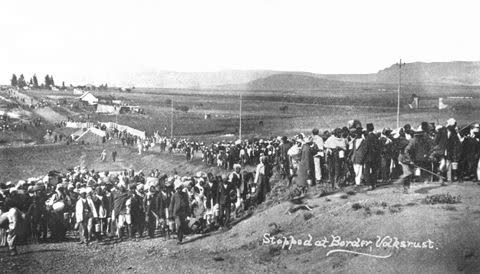
Gandhi's first Satyagrahaகாந்தியின் முதல் சத்தியாகிரகம்
On Sep 1906, Gandhiji led his first Satyagraha in Transvaal, South Africa, protesting against the Asiatic Registration Act. The legislation mandated that every Asian who wished to reside or possess property in South Africa had to register his or her name with the authorities. The punishment for not doing so was deportation without the right to appeal1906 செப்டம்பர் மாதம், ஆசியர் பதிவுச் சட்டத்தை எதிர்த்து தென்னாப்பிரிக்காவின் டிரான்ஸ்வாலில் காந்தியடிகள் தமது முதல் சத்தியாகிரகத்தை நடத்தினார். தென்னாப்பிரிக்காவில் வசிக்கவோ சொத்து வைத்திருக்கவோ விரும்பும் ஒவ்வொரு ஆசியரும் தமது பெயரை அதிகாரிகளிடம் பதிவு செய்ய வேண்டும் என்று அச்சட்டம் கட்டாயப்படுத்தியது. அவ்வாறு செய்யாதவர்களுக்கான தண்டனை, மேல்முறையீட்டு உரிமையே இல்லாத நாடு கடத்தல்.
1906டிச. 26
1906
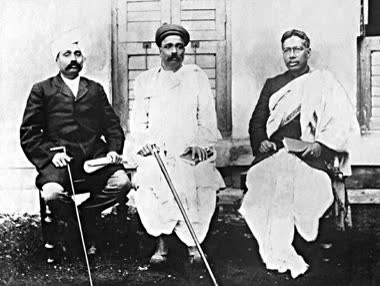
Congress declares Swaraj as its aimசுயராஜ்யமே தன் இலக்கு என காங்கிரஸ் பிரகடனம்
To counter the increasing influence of the extremists, the moderates invited Dadabhai Naoroji to come from England to preside over the session. However, the vocabulary of the extremists triumphed in a way as Naoroji declared Swaraj as the 'only and chief remedy' In self government lies our hope, strength and greatness, he said.தீவிரவாதிகளின் வளர்ந்துவரும் செல்வாக்கை எதிர்கொள்ளும் நோக்கில், மாநாட்டுக்குத் தலைமை தாங்க இங்கிலாந்திலிருந்து வருமாறு தாதாபாய் நௌரோஜியை மிதவாதிகள் அழைத்தனர். எனினும் ஒருவகையில் தீவிரவாதிகளின் சொல்லாடலே வெற்றி பெற்றது; சுயராஜ்யமே ‘ஒரே, முதன்மையான தீர்வு’ என்று நௌரோஜி பிரகடனம் செய்தார். “சுயாட்சியிலேயே நமது நம்பிக்கையும் வலிமையும் பெருமையும் அடங்கியுள்ளன” என்று அவர் கூறினார்.
1905டிச. 27
1905
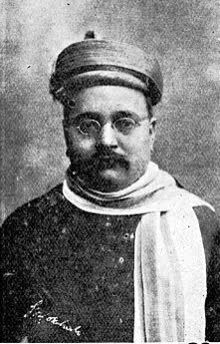
Fissures emerge at Benaresபனாரஸில் கருத்து வேறுபாடுகள் தோன்றின
The divisions between the 'moderates' led by Gopal Krishna Gokhale and Surendranath Banerjea and the 'extremists' led by Bal Gangadhar Tilak came to the fore in this session. While Tilak and Lala Lajpat Rai wanted the Congress to boycott the visit of the Prince of Wales in protest against the Bengal Partition, the moderates opposed any such move.கோபால கிருஷ்ண கோகலே, சுரேந்திரநாத் பானர்ஜியா தலைமையிலான ‘மிதவாதிகளுக்கும்’, பால கங்காதர திலகர் தலைமையிலான ‘தீவிரவாதிகளுக்கும்’ இடையேயான பிளவுகள் இந்த மாநாட்டில் வெளிப்பட்டன. வங்காளப் பிரிவினையை எதிர்த்து வேல்ஸ் இளவரசரின் வருகையைக் காங்கிரஸ் புறக்கணிக்க வேண்டும் என்று திலகரும் லாலா லஜபதி ராயும் விரும்பினர்; அத்தகைய எந்த நடவடிக்கையையும் மிதவாதிகள் எதிர்த்தனர்.
1904டிச. 26
1904
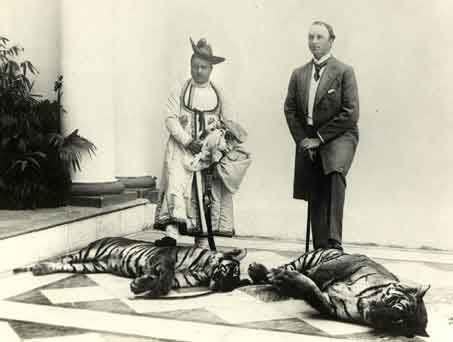
Bombay Session, 1904பாம்பே மாநாடு, 1904
At its Bombay Session, the Congress protested the violation of rules by Lord Curzon as he used revenues from India for his forward policy in Tibet. The Congress also recorded its emphatic protest against the Curzon administration's proposal to divide Bengal, a province which was at the forefront of the anti-British struggle.தனது பாம்பே மாநாட்டில் காங்கிரஸ், திபெத்தில் தமது முன்னெடுப்புக் கொள்கைக்காக இந்தியாவின் வருவாயைப் பயன்படுத்திய கர்சன் பிரபு விதிகளை மீறியதை எதிர்த்தது. பிரிட்டிஷ் எதிர்ப்புப் போராட்டத்தின் முன்னணியில் இருந்த வங்காள மாகாணத்தைப் பிரிக்கும் கர்சன் நிர்வாகத்தின் திட்டத்திற்கு எதிராகவும் காங்கிரஸ் தனது வலுவான எதிர்ப்பைப் பதிவு செய்தது.
1901டிச. 26
1901
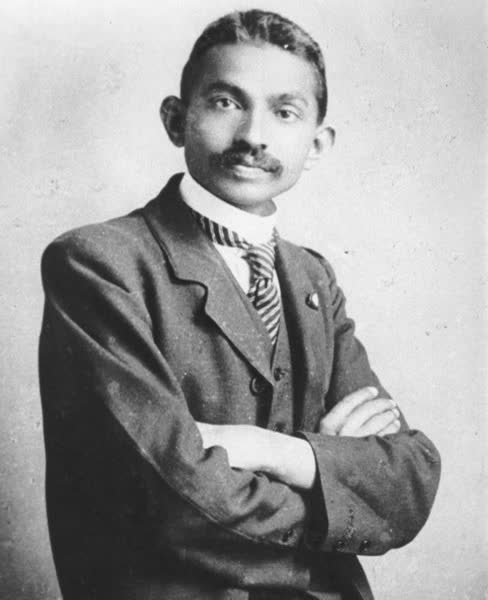
Mahatma Gandhi appears on the Congress Platformமகாத்மா காந்தி காங்கிரஸ் மேடையில் தோன்றினார்
The 1901 Calcutta Session was the first time Mahatma Gandhi appeared on the Congress platform. Then a lawyer based in South Africa, Gandhi ji urged the Congress to support the struggle against racial discrimination and exploitation in the country.1901 கல்கத்தா மாநாட்டில்தான் மகாத்மா காந்தி முதன்முறையாக காங்கிரஸ் மேடையில் தோன்றினார். அப்போது தென்னாப்பிரிக்காவில் வழக்கறிஞராக இருந்த காந்தி ஜி, அந்நாட்டில் நிலவிய இனப் பாகுபாட்டுக்கும் சுரண்டலுக்கும் எதிரான போராட்டத்தை ஆதரிக்குமாறு காங்கிரசைக் கேட்டுக்கொண்டார்.
1899டிச. 27
1899
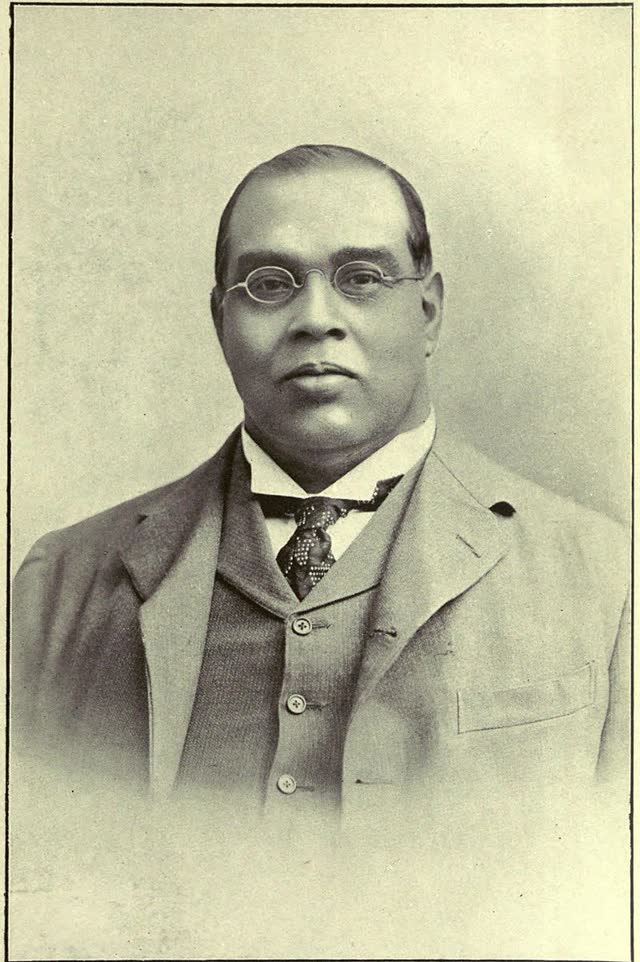
Drain of Wealthசெல்வம் வெளியேறும் கொள்ளை
At its fifteenth session in Lucknow in 1899, the Congress demanded that the British government put a stop to the 'drain of wealth’ from India to England that had been taking place as a result of colonial rule. By raising this matter, Congress attacked a concept that formed the very basis of colonialism. It is no coincidence that Congress raised this under the presidentship of R.C. Dutt, who along with Dadabhai Naoroji, had been consistently criticising the British for the drain of wealth. This succeeded the 12th session in Calcutta in 1896, when the drain theory got a stamp of approval and the British were held responsible for the ‘drain of wealth’ from India which led to frequent famines and growing poverty in India.1899ஆம் ஆண்டு லக்னோவில் நடைபெற்ற தனது பதினைந்தாவது மாநாட்டில், காலனிய ஆட்சியின் விளைவாக இந்தியாவிலிருந்து இங்கிலாந்துக்கு நிகழ்ந்துவந்த ‘செல்வம் வெளியேறும் கொள்ளையை’ நிறுத்த வேண்டும் என்று பிரிட்டிஷ் அரசிடம் காங்கிரஸ் கோரியது. இப்பிரச்சினையை எழுப்பியதன் மூலம், காலனியாதிக்கத்தின் அடிப்படையாகவே இருந்த ஒரு கருத்தை காங்கிரஸ் தாக்கியது. தாதாபாய் நௌரோஜியுடன் சேர்ந்து செல்வம் வெளியேற்றத்திற்காகப் பிரிட்டிஷாரைத் தொடர்ந்து விமர்சித்து வந்த ஆர்.சி. தத்தின் தலைமையில் காங்கிரஸ் இதை எழுப்பியது தற்செயல் அல்ல. 1896ஆம் ஆண்டு கல்கத்தாவில் நடைபெற்ற 12ஆவது மாநாட்டைத் தொடர்ந்து இது நிகழ்ந்தது; அப்போதுதான் செல்வம் வெளியேற்றக் கோட்பாட்டுக்கு ஒப்புதல் முத்திரை கிடைத்தது, இந்தியாவில் அடிக்கடி பஞ்சங்களுக்கும் வளர்ந்துவந்த வறுமைக்கும் வழிவகுத்த ‘செல்வம் வெளியேற்றத்திற்கு’ பிரிட்டிஷாரே பொறுப்பு என்று கூறப்பட்டது.
1897டிச. 27
1897
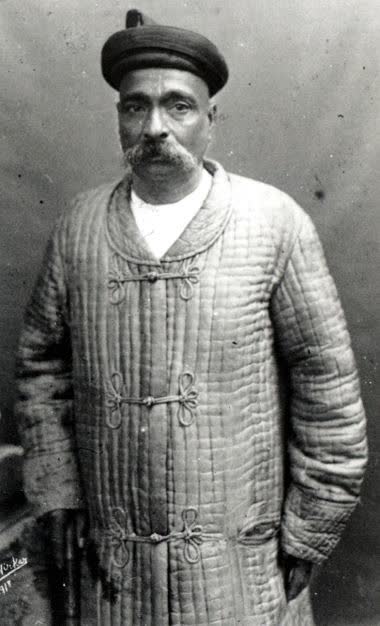
Congress slams Tilak's arrestதிலகர் கைது செய்யப்பட்டதை காங்கிரஸ் கண்டித்தது
The shadow of Bal Gangadhar Tilak arrest on charges of sedition, loomed large over the Amraoti Session. Surendranath Banerjea made full use of his brilliant oratorical skills while voicing his solidarity with Tilak. "For Mr. Tilak, my heart is full of sympathy, my feelings go forth to him in his prison house. A Nation is in tears,'he said.தேசத் துரோகக் குற்றச்சாட்டில் பால கங்காதர திலகர் கைது செய்யப்பட்டதன் நிழல் அம்ராவதி மாநாட்டின் மீது கனத்துப் படிந்திருந்தது. திலகருடன் தமது ஒருமைப்பாட்டை வெளிப்படுத்தும்போது சுரேந்திரநாத் பானர்ஜியா தமது சிறந்த சொல்வன்மையை முழுமையாகப் பயன்படுத்தினார். “திலகர் அவர்களுக்காக என் இதயம் இரக்கத்தால் நிறைந்திருக்கிறது; அவரது சிறைச்சாலைக்கு என் உணர்வுகள் செல்கின்றன. ஒரு தேசமே கண்ணீரில் இருக்கிறது” என்று அவர் கூறினார்.
1896டிச. 28
1896
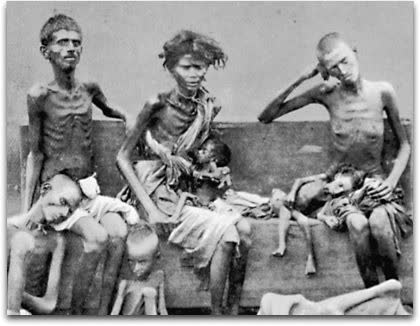
Resolution Blaming the British for Famineபஞ்சத்திற்கு பிரிட்டிஷ் ஆட்சியே காரணம் என்ற தீர்மானம்
Under the leadership of Rahimatulla M Sayani, the Congress at its Calcutta Session, passed a resolution blaming the British for the famine that had devastated many parts of India. They condemned the provisions of the existing famine code as being 'inadequate' and attacked the government for the manner in which it was blocking private relief.ரகிமதுல்லா எம். சயானியின் தலைமையில், கல்கத்தா மாநாட்டில் காங்கிரஸ், இந்தியாவின் பல பகுதிகளைப் பாழாக்கிய பஞ்சத்திற்குப் பிரிட்டிஷாரே காரணம் எனும் தீர்மானத்தை நிறைவேற்றியது. அப்போது இருந்த பஞ்ச விதிமுறைகள் ‘போதாதவை’ என்று அவர்கள் கண்டித்தனர்; தனியார் நிவாரணத்தை அரசு தடுத்துவந்த விதத்தையும் தாக்கினர்.
Foundations of a national movementதேசிய இயக்கத்தின் அடித்தளம்
The Indian National Congress was founded in Bombay in December 1885 — the organisation that would carry India to freedom. From its earliest sessions, leaders from the Madras Presidency shaped the national movement, and the Congress in Tamil Nadu grew into one of its strongest provincial units.
இந்திய தேசிய காங்கிரஸ் 1885 டிசம்பரில் பம்பாயில் தொடங்கப்பட்டது — இந்தியாவை சுதந்திரத்தை நோக்கி அழைத்துச் சென்ற இயக்கம். தொடக்கக் காலம் முதலே சென்னை மாகாணத் தலைவர்கள் தேசிய இயக்கத்தை வடிவமைத்தனர்; தமிழ்நாட்டில் காங்கிரஸ் மிக வலுவான மாநில அமைப்பாக வளர்ந்தது.
1895டிச. 27
1895
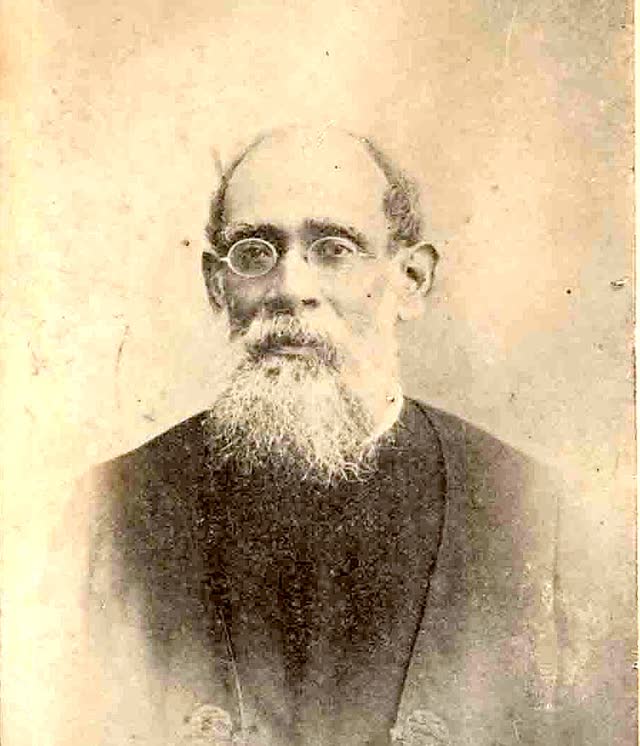
Eleventh Sessionபதினொன்றாவது மாநாடு
The Congress at its Eleventh Session was buoyed by a substantial increase in the number of delegates from 1163 in 1894 to 1584. An elated President Surendranath Banerjea congratulated the Congress for bringing together 'the scattered element of a vast and diversified population', and making them vibrate with the new born sentiment of an awakened nationality.1894ஆம் ஆண்டு 1163 ஆக இருந்த பிரதிநிதிகளின் எண்ணிக்கை 1584 ஆகக் கணிசமாக உயர்ந்தது தனது பதினொன்றாவது மாநாட்டில் காங்கிரசுக்கு உற்சாகம் அளித்தது. மகிழ்ச்சி பொங்கிய தலைவர் சுரேந்திரநாத் பானர்ஜியா, ‘பரந்த, பன்முகத்தன்மை கொண்ட ஒரு மக்கள்திரளின் சிதறிய கூறுகளை’ ஒன்றிணைத்து, விழித்தெழுந்த ஒரு தேசிய உணர்வின் புத்தம் புதிய அதிர்வை அவர்களுக்குள் ஏற்படுத்தியதற்காக காங்கிரசுக்கு வாழ்த்து தெரிவித்தார்.
1892டிச. 28
1892
Eighth Sessionஎட்டாவது மாநாடு
At its Allahabad Session in 1892, the Congress criticised the Indian Councils Act of 1892, which had just been put into operation by the colonial government. They said that the Act did not give the Indian people the right to elect their own representatives.1892ஆம் ஆண்டு அல்லகாபாத் மாநாட்டில் காங்கிரஸ், காலனிய அரசால் அப்போதுதான் நடைமுறைக்குக் கொண்டுவரப்பட்டிருந்த 1892ஆம் ஆண்டு இந்திய சட்டமன்றச் சட்டத்தை விமர்சித்தது. தமது சொந்தப் பிரதிநிதிகளைத் தேர்ந்தெடுக்கும் உரிமையை இந்திய மக்களுக்கு அச்சட்டம் வழங்கவில்லை என்று அவர்கள் கூறினர்.
1892ஜூலை 7
1892
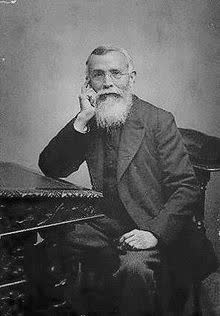
Dadabhai Naoroji becomes the first Asian to be elected to the British Parliamentபிரிட்டிஷ் நாடாளுமன்றத்திற்குத் தேர்ந்தெடுக்கப்பட்ட முதல் ஆசியர் ஆனார் தாதாபாய் நௌரோஜி
In the 1892 Parliamentary Elections in Britain, Dadabhai Naoroji was elected from the Finsbury Central seat as a candidate of the Liberal Party. He won despite a leading British politician chastising the public for "stooping so low as to vote for a brown man".1892ஆம் ஆண்டு பிரிட்டனில் நடைபெற்ற நாடாளுமன்றத் தேர்தலில், தாராளவாதக் கட்சியின் வேட்பாளராக ஃபின்ஸ்பரி சென்ட்ரல் தொகுதியிலிருந்து தாதாபாய் நௌரோஜி தேர்ந்தெடுக்கப்பட்டார். “ஒரு பழுப்பு நிற மனிதனுக்கு வாக்களிக்கும் அளவுக்குத் தாழ்ந்து போனீர்களே” என்று ஒரு முன்னணி பிரிட்டிஷ் அரசியல்வாதி மக்களைச் சாடியும், அவர் வெற்றி பெற்றார்.
1890டிச. 26
1890
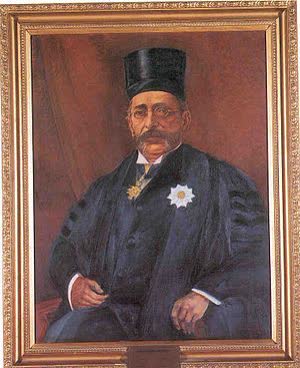
Sixth Sessionஆறாவது மாநாடு
In his presidential address, Pherozeshah Mehta said 'To my mind, a Parsi is a better and a truer Parsi, as a Mohammedan or a Hindu is a better and truer Mohammedan or Hindu, the more he is attached to the land which gave him birth, the more he is bound in brotherly relations and affection to all the children of the soil, the more he recognises the fraternity of all the native communities of the country".தமது தலைமை உரையில் பெரோஸ்ஷா மேத்தா கூறினார்: “என் கருத்துப்படி, தனக்குப் பிறப்பளித்த மண்ணுடன் ஒருவர் எவ்வளவு பிணைந்திருக்கிறாரோ, இந்த மண்ணின் மைந்தர்கள் அனைவருடனும் சகோதர உறவிலும் பாசத்திலும் எவ்வளவு கட்டுண்டிருக்கிறாரோ, நாட்டின் பூர்வகுடிச் சமூகங்கள் அனைத்தின் சகோதரத்துவத்தை எவ்வளவு ஏற்றுக்கொள்கிறாரோ, அவ்வளவுக்கு அவர் சிறந்த, உண்மையான பார்சி ஆகிறார்; அதேபோல் ஒரு முகமதியரோ இந்துவோ சிறந்த, உண்மையான முகமதியராகவோ இந்துவாகவோ ஆகிறார்.”
1886டிச. 27
1886
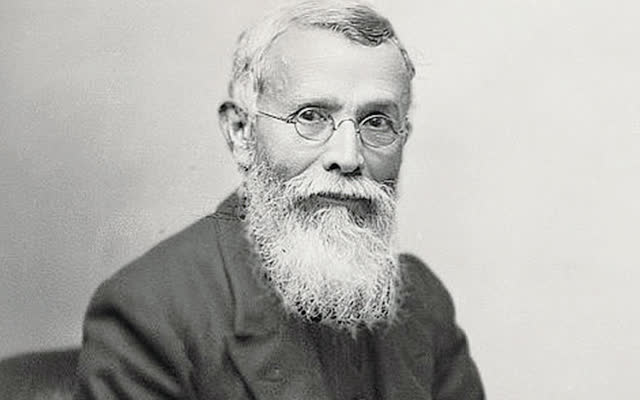
Second Sessionஇரண்டாவது மாநாடு
The second session of the Congress took place under the leadership of Dadabhai Naoroji in Calcutta. The number of delegates had increased to 434. Towards the end of the session, the Congress decided to set up Provincial Congress Committees across the country.கல்கத்தாவில் தாதாபாய் நௌரோஜியின் தலைமையில் காங்கிரசின் இரண்டாவது மாநாடு நடைபெற்றது. பிரதிநிதிகளின் எண்ணிக்கை 434 ஆக உயர்ந்திருந்தது. மாநாட்டின் இறுதியில், நாடு முழுவதும் மாகாண காங்கிரஸ் கமிட்டிகளை அமைக்க காங்கிரஸ் முடிவு செய்தது.
1885டிச. 28
1885
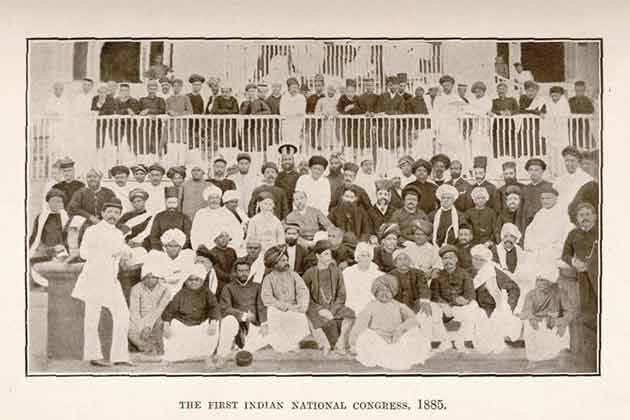
First Session of the Congress: The Journey Beginsகாங்கிரசின் முதல் மாநாடு: பயணம் தொடங்குகிறது
On 28 December 1885, 72 social reformers, journalists and lawyers congregated for the first session of Indian National Congress at Gokuldas Tejpal Sanskrit College, Bombay.1885 டிசம்பர் 28ஆம் தேதி, பாம்பே கோகுல்தாஸ் தேஜ்பால் சமஸ்கிருதக் கல்லூரியில் இந்திய தேசிய காங்கிரசின் முதல் மாநாட்டுக்காக 72 சமூக சீர்திருத்தவாதிகள், பத்திரிகையாளர்கள், வழக்கறிஞர்கள் ஒன்றுகூடினர்.