Mahatma Gandhiமகாத்மா காந்தி
Father of the Nation · 1869 – 1948தேசத்தந்தை · 1869 – 1948
In the history of India, there have been occasions when a cloud, no bigger than a man's hand, has soon covered the whole sky.இந்திய வரலாற்றில், ஒரு மனிதனின் கை அளவே இருந்த மேகம் விரைவில் வானம் முழுவதையும் மூடிய தருணங்கள் உண்டு.
19211921
He turned India's freedom struggle from a petition into a mass movement, and gave it Satyagraha — insistence on truth — as a weapon that needed no violence. He wore a loincloth to stand with the poorest, called those the society had cast out 'men of God', and drew equally on the Bhagavad Gita, Christianity and Islam. Thirty years of campaigns followed before freedom came. When communal violence broke out he walked into it unarmed, and won reconciliation by faith alone.இந்திய விடுதலைப் போராட்டத்தை மனுக்களிலிருந்து மக்கள் இயக்கமாக அவர் மாற்றினார்; வன்முறையே தேவைப்படாத ஆயுதமாக சத்தியாகிரகத்தை — உண்மையின் மீதான பிடிவாதத்தை — அதற்குத் தந்தார். ஏழைகளுடன் நிற்க ஒற்றை ஆடையை உடுத்தினார்; சமூகம் ஒதுக்கியவர்களை 'இறைவனின் மக்கள்' என்று அழைத்தார்; பகவத் கீதை, கிறிஸ்தவம், இஸ்லாம் ஆகிய மூன்றிலிருந்தும் சமமாகக் கற்றார். சுதந்திரம் வர முப்பது ஆண்டுப் போராட்டங்கள் தேவைப்பட்டன. வகுப்புவாத வன்முறை வெடித்தபோது ஆயுதமின்றி அதற்குள் நடந்து சென்று, நம்பிக்கையால் மட்டுமே சமரசத்தை வென்றார்.
Jawaharlal Nehruஜவஹர்லால் நேரு
India's first Prime Minister · 1889 – 1964இந்தியாவின் முதல் பிரதமர் · 1889 – 1964
We have to make hard choices — we cannot have all that we want at the same time.கடினமான தேர்வுகளை நாம் செய்தாக வேண்டும் — நாம் விரும்பும் அனைத்தையும் ஒரே நேரத்தில் பெற முடியாது.
Presidential Address, 1951தலைமை உரை, 1951
A barrister educated abroad, Gandhi's closest associate and his chosen successor, he led India for seventeen years after independence. He built for self-reliance — universities and research institutes, public-sector industry, and dams such as Bhakra-Nangal. He made a democracy work in a country where most people could not read: nearly 175 million voted in 1952. He kept it honest, accepting court rulings he disliked, conceding linguistic states he had opposed, and practising secularism in the worst days of Partition. Children still call him Chacha Nehru.வெளிநாட்டில் படித்த வழக்கறிஞர்; காந்தியடிகளின் நெருங்கிய தோழர், அவரால் தேர்ந்தெடுக்கப்பட்ட வாரிசு — சுதந்திரத்திற்குப் பின் பதினேழு ஆண்டுகள் இந்தியாவை வழிநடத்தினார். தன்னிறைவை நோக்கிக் கட்டினார்: பல்கலைக்கழகங்கள், ஆய்வு நிறுவனங்கள், பொதுத்துறைத் தொழில்கள், பக்ரா நங்கல் போன்ற அணைகள். பெரும்பாலோர் படிக்கத் தெரியாத நாட்டில் ஜனநாயகத்தை இயங்க வைத்தார் — 1952-இல் ஏறக்குறைய 17.5 கோடி பேர் வாக்களித்தனர். தனக்குப் பிடிக்காத நீதிமன்றத் தீர்ப்புகளை ஏற்று, தான் எதிர்த்த மொழிவாரி மாநிலங்களை ஒப்புக்கொண்டு, பிரிவினையின் மோசமான நாட்களில் மதச்சார்பின்மையைக் கடைப்பிடித்து, அதை நேர்மையாகவும் வைத்திருந்தார். குழந்தைகள் இன்றும் அவரைச் சாச்சா நேரு என்றே அழைக்கிறார்கள்.
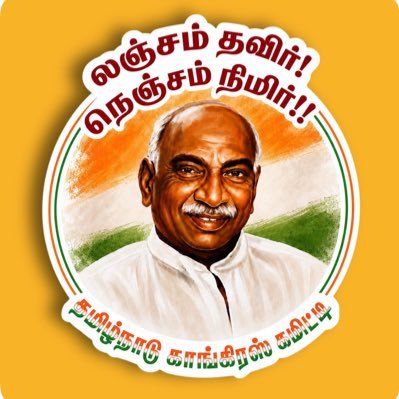
K. Kamarajarக. காமராஜர்
Perunthalaivar · TNCC President 1940–54 · Chief Minister 1954–63 · 1903 – 1975பெருந்தலைவர் · TNCC தலைவர் 1940–54 · முதலமைச்சர் 1954–63 · 1903 – 1975
Should we not also study, take up other work, and rise?நாமும் படித்து நாலு தொழில் செய்து முன்னேற வேண்டாமா?
19.10.196119.10.1961
Born in 1903 to humble circumstances, with six years of schooling behind him, he answered Gandhi's call at eighteen and never left the work. The Salt Satyagraha brought his first two-year sentence in 1930; across his life he went to prison six times and spent more than 3,000 days in British jails. He led the Tamil Nadu Congress from 1940 to 1954 and then governed Madras for nine years — perhaps the first Chief Minister of an Indian state who knew no English — opening schools in every village and putting a midday meal in front of the children who came. Elected Congress President in 1963, he proposed the Kamaraj Plan, asking senior leaders to leave office for organisational work. The Bharat Ratna came in 1976.1903-இல் எளிய குடும்பத்தில் பிறந்து, ஆறு ஆண்டுப் பள்ளிப்படிப்பே பெற்று, பதினெட்டாவது வயதில் காந்தியடிகளின் அழைப்புக்குச் செவிசாய்த்து, அப்பணியை ஒருபோதும் விடவில்லை. 1930 உப்புச் சத்தியாகிரகம் அவருக்கு முதல் இரண்டாண்டு சிறைத்தண்டனையைத் தந்தது; வாழ்நாளில் ஆறு முறை சிறை சென்று, பிரிட்டிஷ் சிறைகளில் 3,000 நாட்களுக்கு மேல் கழித்தார். 1940 முதல் 1954 வரை தமிழ்நாடு காங்கிரசை வழிநடத்தி, பின் ஒன்பது ஆண்டுகள் மதராஸை ஆண்டார் — ஆங்கிலம் அறியாத இந்திய மாநில முதலமைச்சர் ஒருவேளை அவரே முதல்வர் — ஒவ்வொரு கிராமத்திலும் பள்ளி திறந்து, வந்த குழந்தைகளுக்கு மதிய உணவை வைத்தார். 1963-இல் காங்கிரஸ் தலைவராகத் தேர்ந்தெடுக்கப்பட்டு, மூத்த தலைவர்கள் பதவியை விட்டு அமைப்புப் பணிக்கு வர வேண்டும் என்ற காமராஜர் திட்டத்தை முன்வைத்தார். 1976-இல் பாரத ரத்னா வழங்கப்பட்டது.
Dr. B. R. Ambedkarடாக்டர் பி. ஆர். அம்பேத்கர்
Architect of the Constitution · 1891 – 1956அரசியலமைப்பின் சிற்பி · 1891 – 1956
It takes courage to break free from the shackles of social inequality. It takes enormous amounts of courage to believe that things can change.சமூக ஏற்றத்தாழ்வின் விலங்குகளை உடைப்பதற்குத் துணிவு வேண்டும். நிலைமைகள் மாறும் என்று நம்புவதற்கு அதைவிடப் பெரும் துணிவு வேண்டும்.
Born in 1891 into the Mahar community, he was made to sit apart at school and still came first — the first person from an untouchable community to enter Elphinstone College, in 1908. He went on to Bombay University, Columbia and the London School of Economics, and returned as professor, lawyer and organiser. He founded Mooknayak in 1920, led the movements for water and for temple entry, and after 1947 served as Union Law Minister and chaired the committee that drafted the Constitution. That document — approved on 26 November 1949 — guaranteed civil liberty, abolished untouchability, and wrote protection for the historically excluded into the law of the land.1891-இல் மகர் சமூகத்தில் பிறந்தார்; பள்ளியில் தனியே உட்கார வைக்கப்பட்டும் முதலிடம் பெற்றார் — 1908-இல் எல்ஃபின்ஸ்டன் கல்லூரியில் நுழைந்த முதல் தீண்டத்தகாத சமூகத்தவர் அவரே. பம்பாய் பல்கலைக்கழகம், கொலம்பியா, லண்டன் ஸ்கூல் ஆஃப் எகனாமிக்ஸ் ஆகியவற்றில் பயின்று, பேராசிரியராகவும் வழக்கறிஞராகவும் அமைப்பாளராகவும் திரும்பினார். 1920-இல் மூக்நாயக் இதழைத் தொடங்கி, தண்ணீருக்கான, கோயில் நுழைவுக்கான இயக்கங்களை வழிநடத்தினார்; 1947-க்குப் பின் மத்திய சட்ட அமைச்சராகப் பணியாற்றி, அரசியலமைப்பை வரைந்த குழுவுக்குத் தலைமை தாங்கினார். 1949 நவம்பர் 26-இல் ஏற்கப்பட்ட அந்த ஆவணம் — குடிமை உரிமையை உறுதி செய்து, தீண்டாமையை ஒழித்து, வரலாறு ஒதுக்கியவர்களுக்கான பாதுகாப்பை நாட்டின் சட்டமாக எழுதியது.